Newsletter 18.04.2026


The past days and weeks have once again been full of activity at the German International School Accra. Below you will find our latest updates as well as upcoming events in chronological order.
Photo Competition – creativity and excitement
Over the past weeks, it was all about: iPads out, ideas on, and getting creative. Our students planned, staged, and captured countless photos, which were then carefully shortlisted – no easy task given the many impressive contributions.
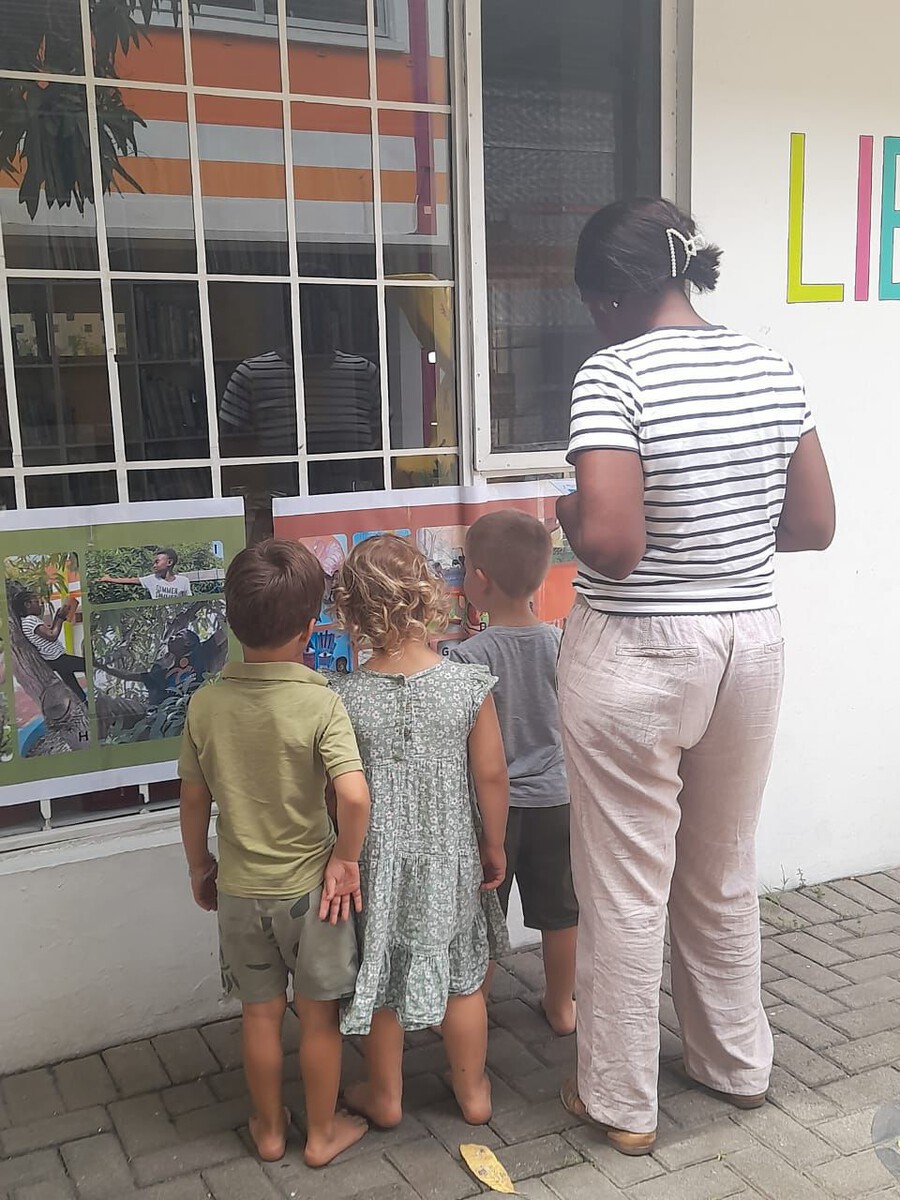
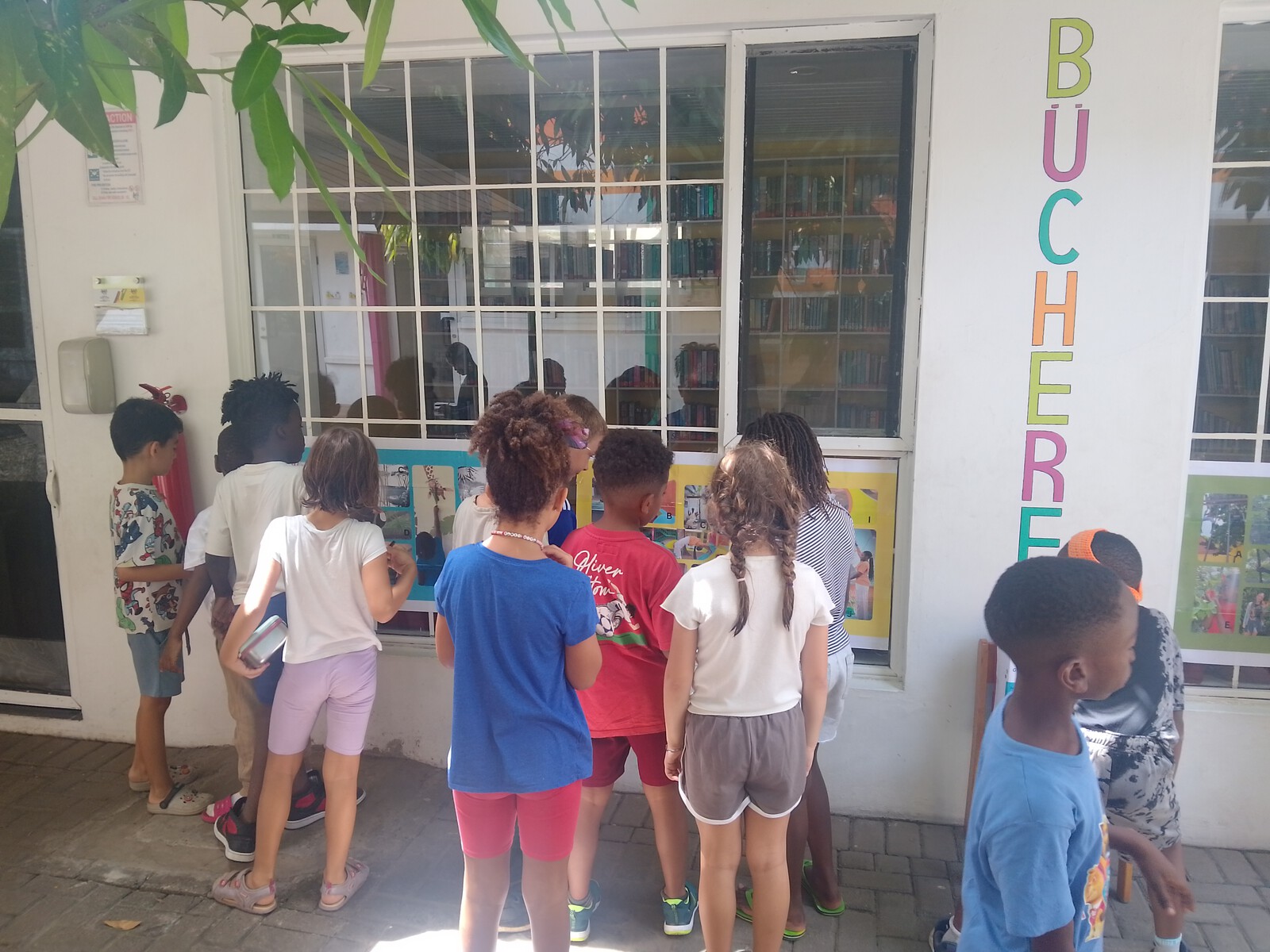
By the end of this week, the excitement peaked: the photo gallery near the library showcased all selected entries. From our youngest learners in kindergarten to students in Grade 8, everyone stopped by to admire the results. There was a lot of observing, discussing, and, of course, voting.
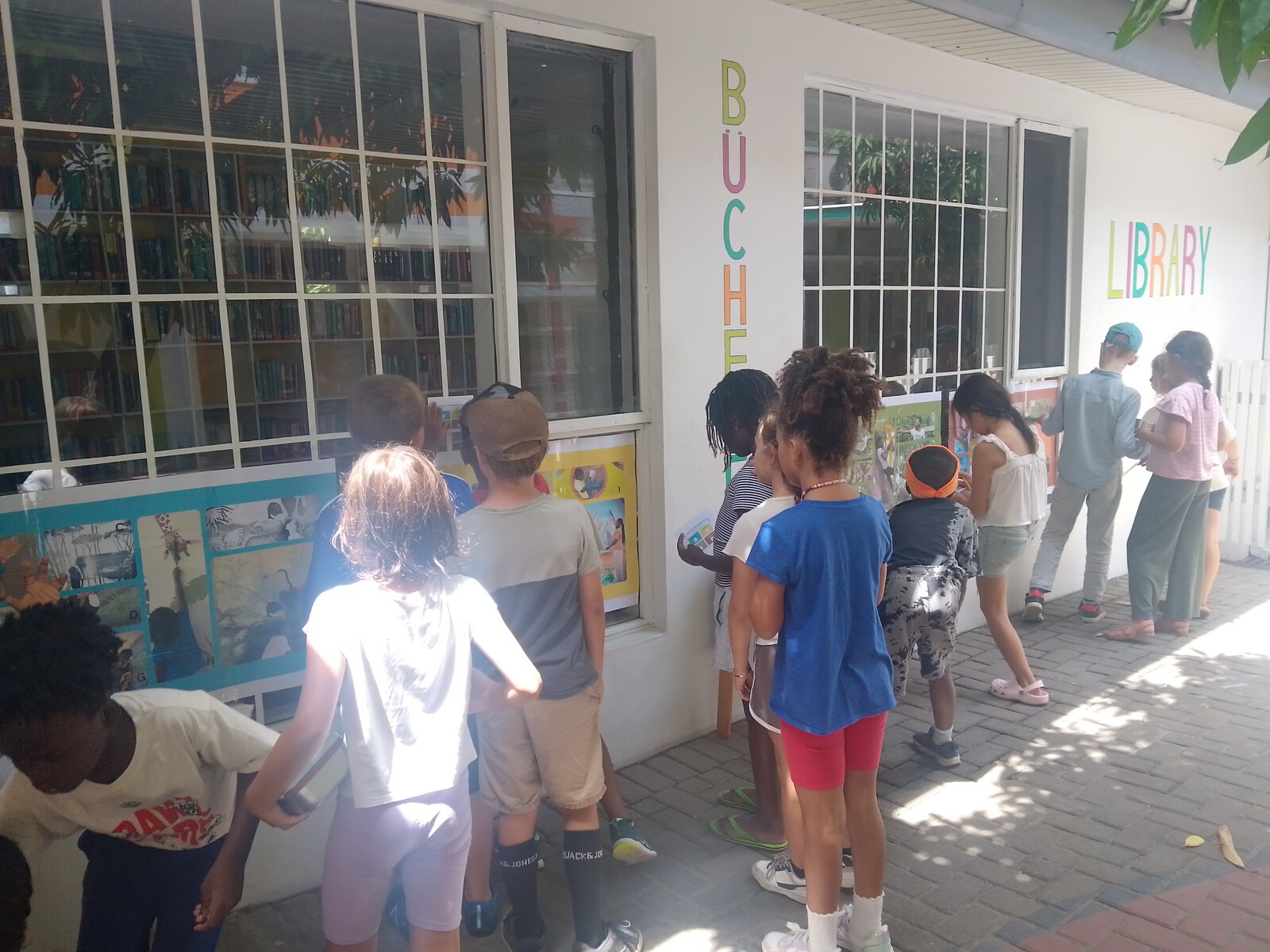
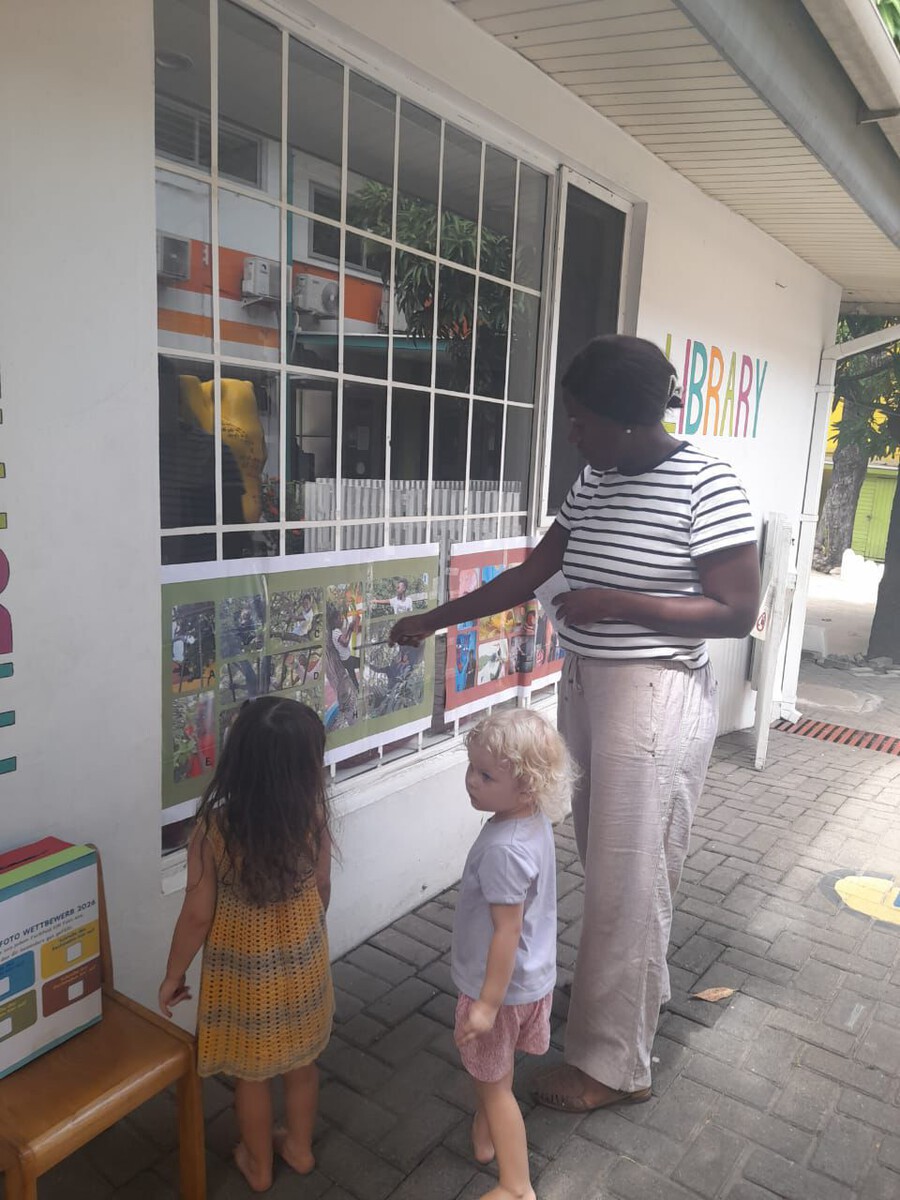
Choosing a winner is anything but easy. Too many creative ideas, humorous motifs, and impressive compositions make the decision a real challenge. Now it’s time to keep our fingers crossed and wait.
The winning photo will be announced at Monday morning’s assembly. We are already curious to see which one will take the lead.
German Club – learning through play
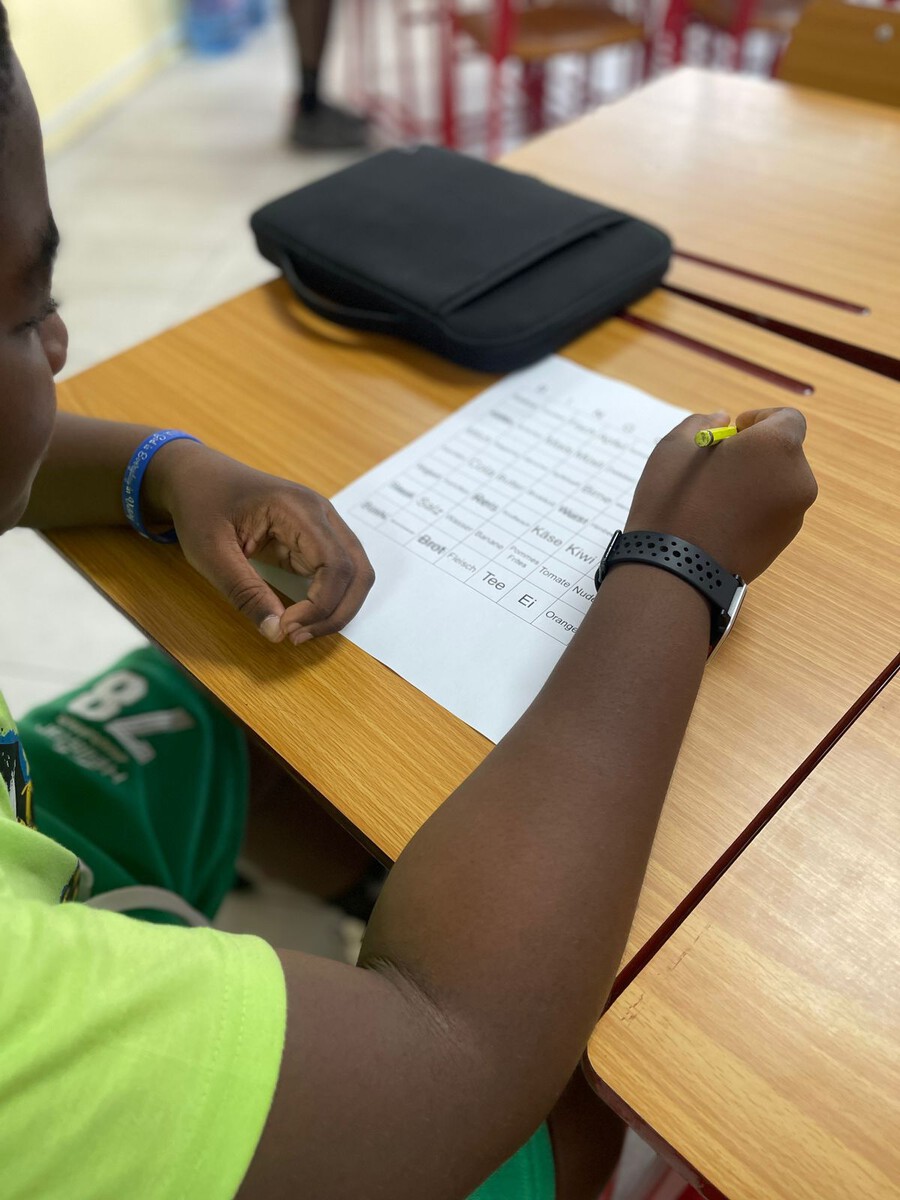
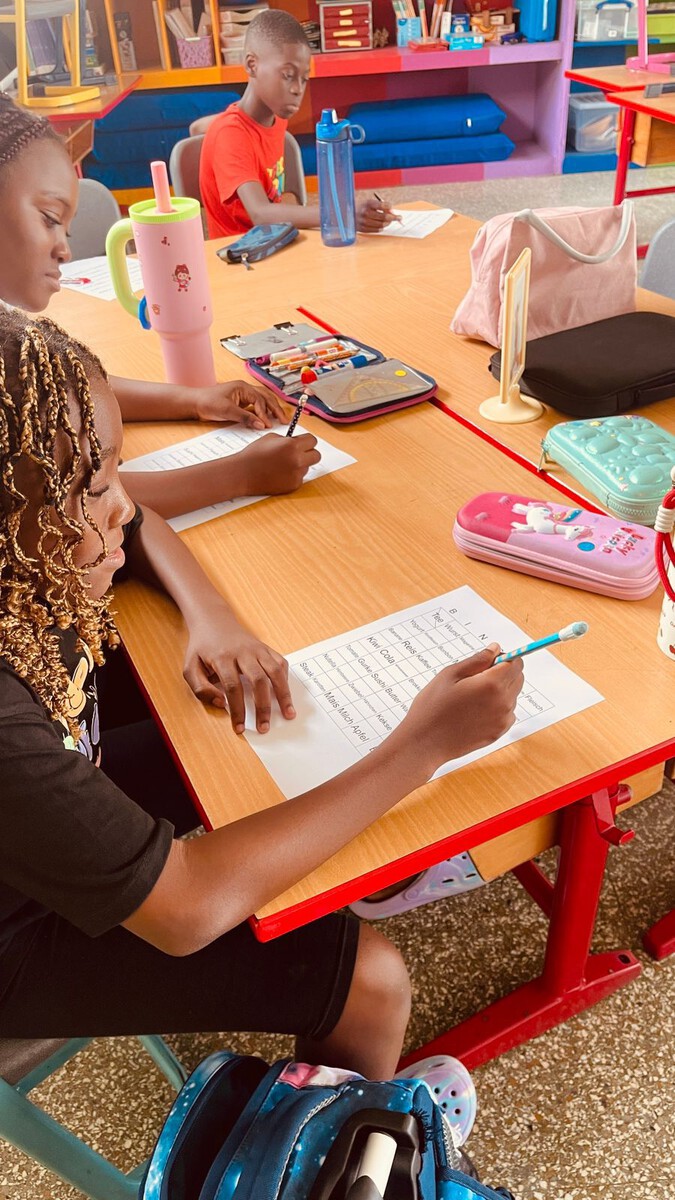
This week in German Club, students practiced speaking freely and active listening in a fun and engaging way. During a food bingo game, items were not named directly but described by the students. One example was: “small, white, and you have to cook it” – of course, the answer was rice.
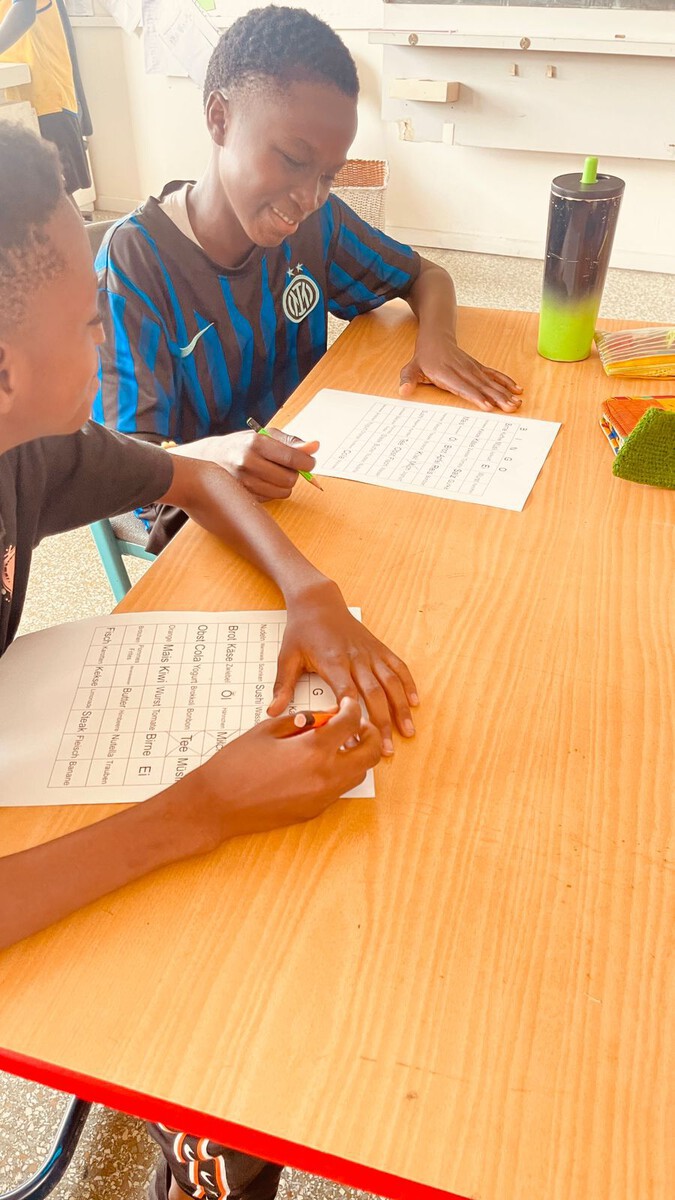
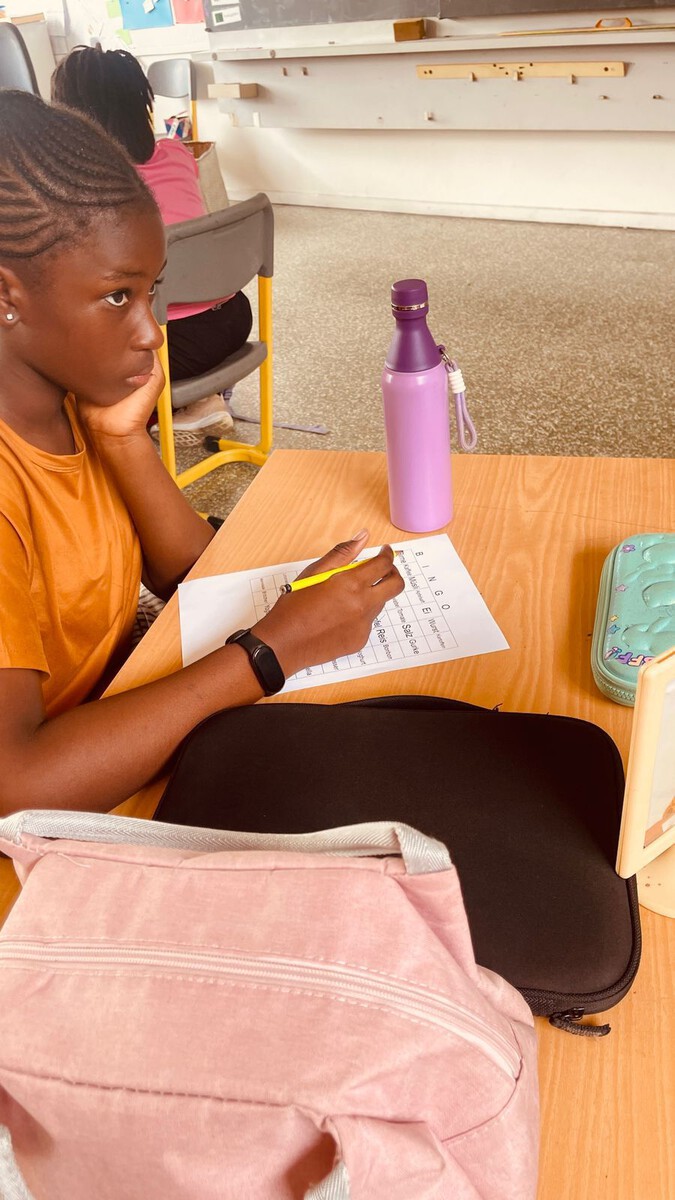
The descriptions were creative and often very accurate, allowing most items to be guessed quickly. Students not only had a lot of fun, but also expanded their vocabulary and gained confidence in speaking.
Coffee with DaF – exchanging experiences on multilingualism
At the second “Coffee with DaF” session this week, parents shared personal experiences of using their native languages at home. Discussions focused on the role of the first language in everyday family life, as well as the challenges and opportunities of growing up multilingual.
Our DaF teacher, Ms. Schoechert, provided valuable insights into how the first language can support the acquisition of additional languages and how language learning develops, especially in younger children.
We are very pleased that the DaF initiative has been so well received so far.
Gerald Asamoah Football Academy – a strong impulse for the future
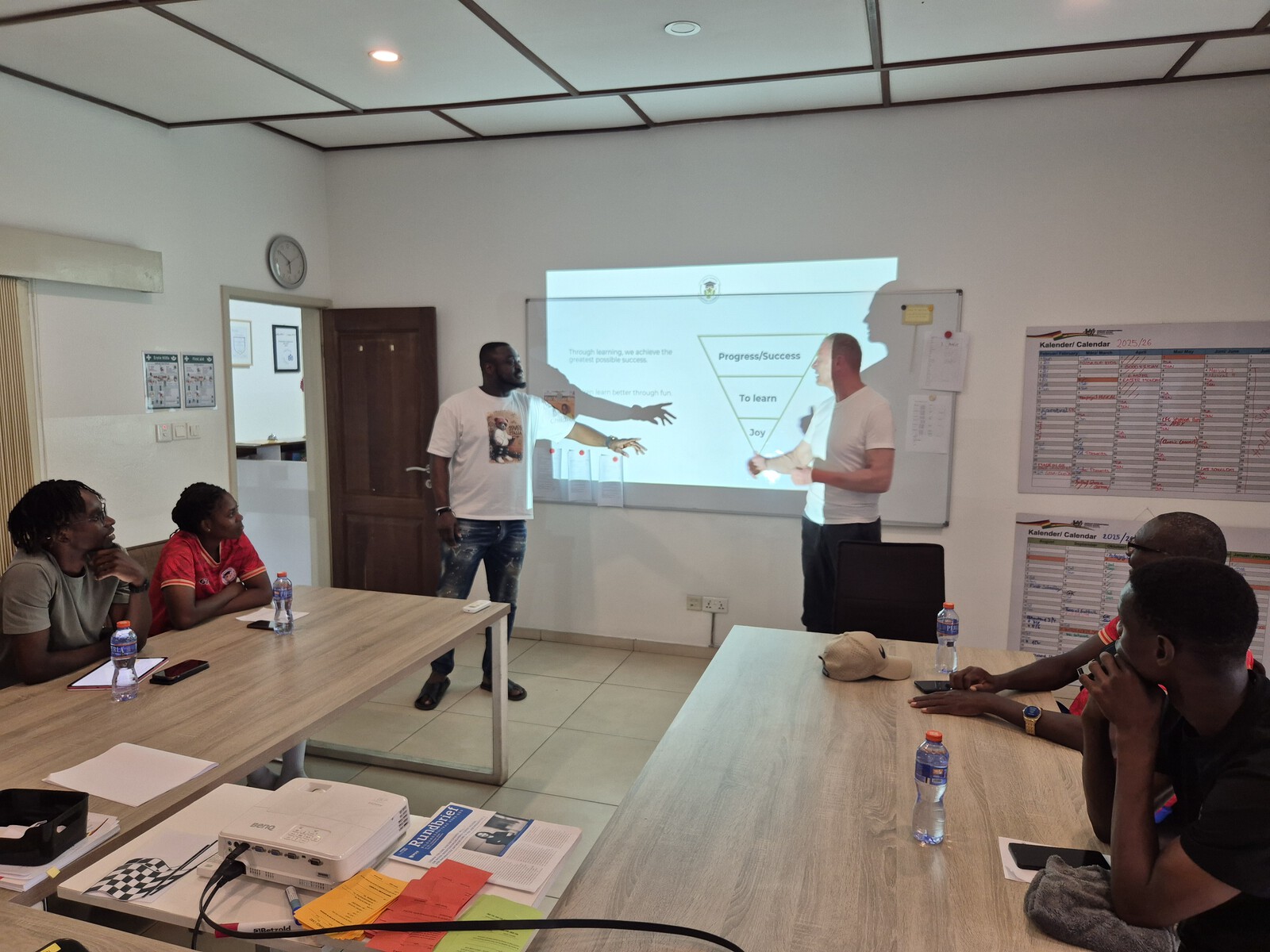 During Gerald Asamoah’s recent visit, the focus was deliberately placed on the coaching team of the Gerald Asamoah Football Academy. The founder took time to engage in in-depth discussions with the five coaches who have been shaping and developing the academy with great dedication since the beginning of the year.
He was accompanied by Torsten Fröhling, who contributed extensive experience from professional football and youth development. As a former player for Hamburger SV and FC St. Pauli, and a coach at clubs such as 1860 Munich and SV Wehen Wiesbaden, he brings valuable perspectives to the academy’s ongoing development.
The meeting centered on professional exchange about training quality, sustainable development, and structured quality management. It became clear that the academy already follows strong guiding principles and a high pedagogical standard – a solid foundation for the future.
A key focus was the training philosophy shaped by Matthias Kreutzer, currently assistant coach at 1. FC Nürnberg. His approach emphasizes modern, child-centered, and performance-oriented development.
Three core principles define this philosophy: joy of the game, independent decision-making, and purposeful repetition. Children are encouraged not just to learn football, but to experience it with enthusiasm, creativity, and growing confidence.
Technical aspects such as dribbling, finishing, and one-on-one situations are systematically developed through varied and engaging training formats.
The visit was both a strong recognition of the coaching team’s work and an important step toward further professionalization.
Crochet Club – creativity in action
Our Crochet Club has had a wonderful start and is now firmly established as part of our weekly activities. Every Wednesday, students meet with Esther to learn the basics of crocheting in a calm and creative environment.
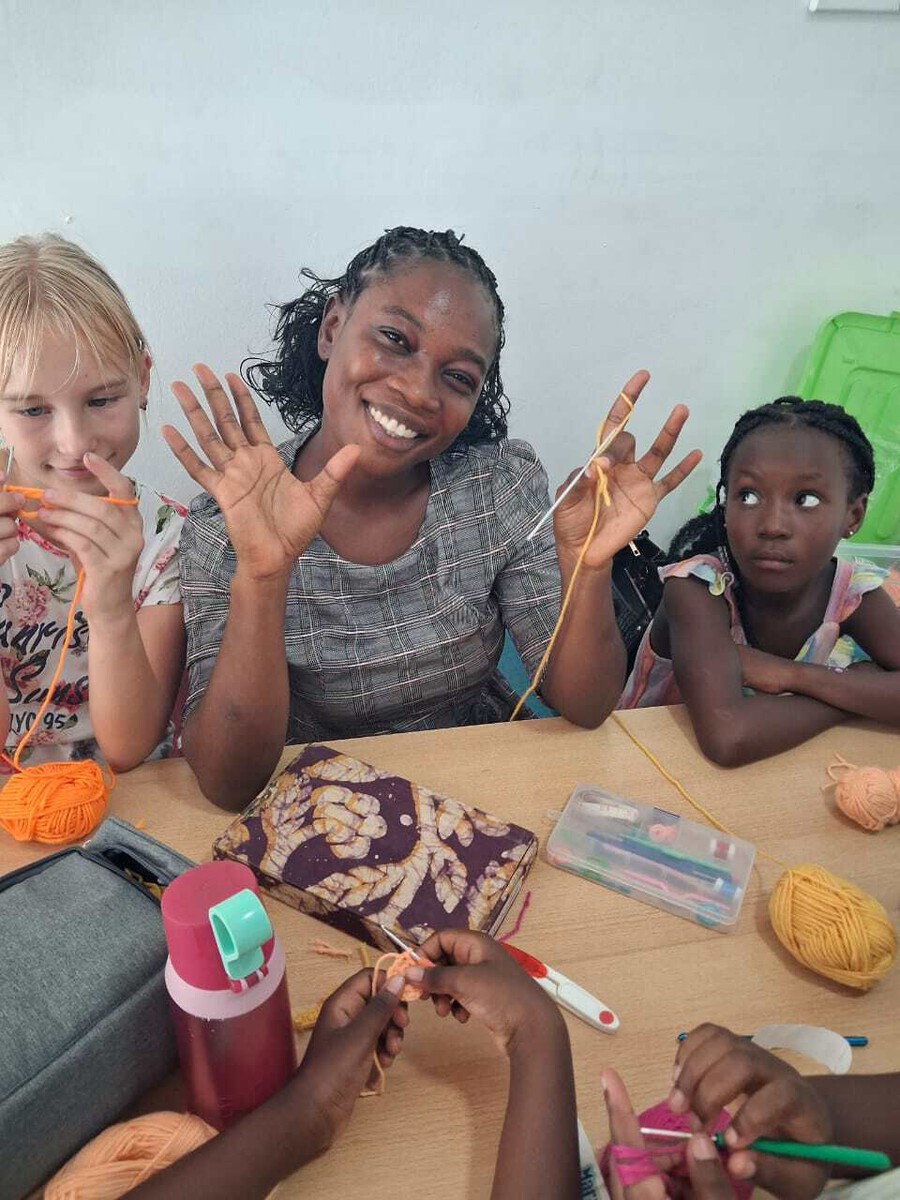
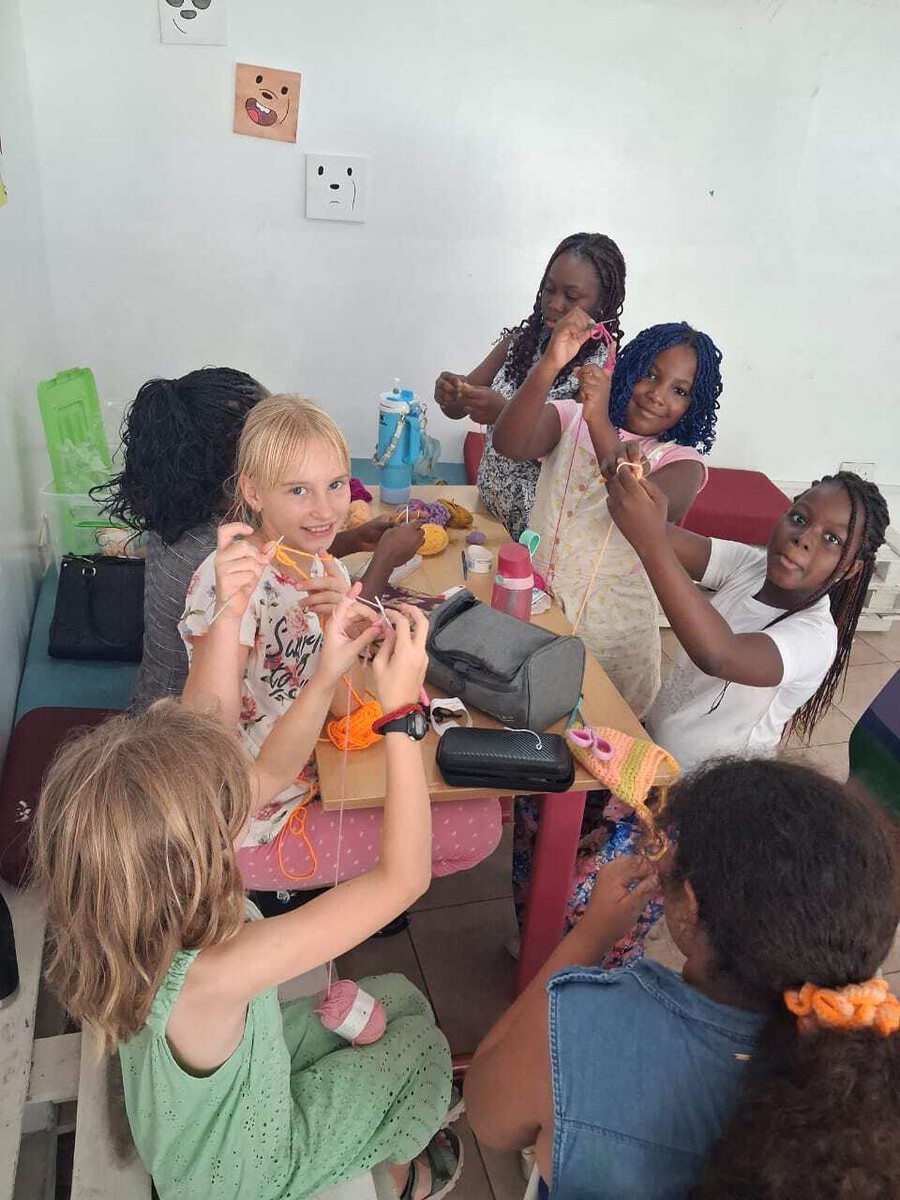
From practicing simple stitches to working on their first small projects, students develop not only fine motor skills but also patience, concentration, and creativity. It is inspiring to see how proud they are of their progress and how they support each other along the way.
Saturday, 25 April 2026 – Dutch King’s Day at GISA
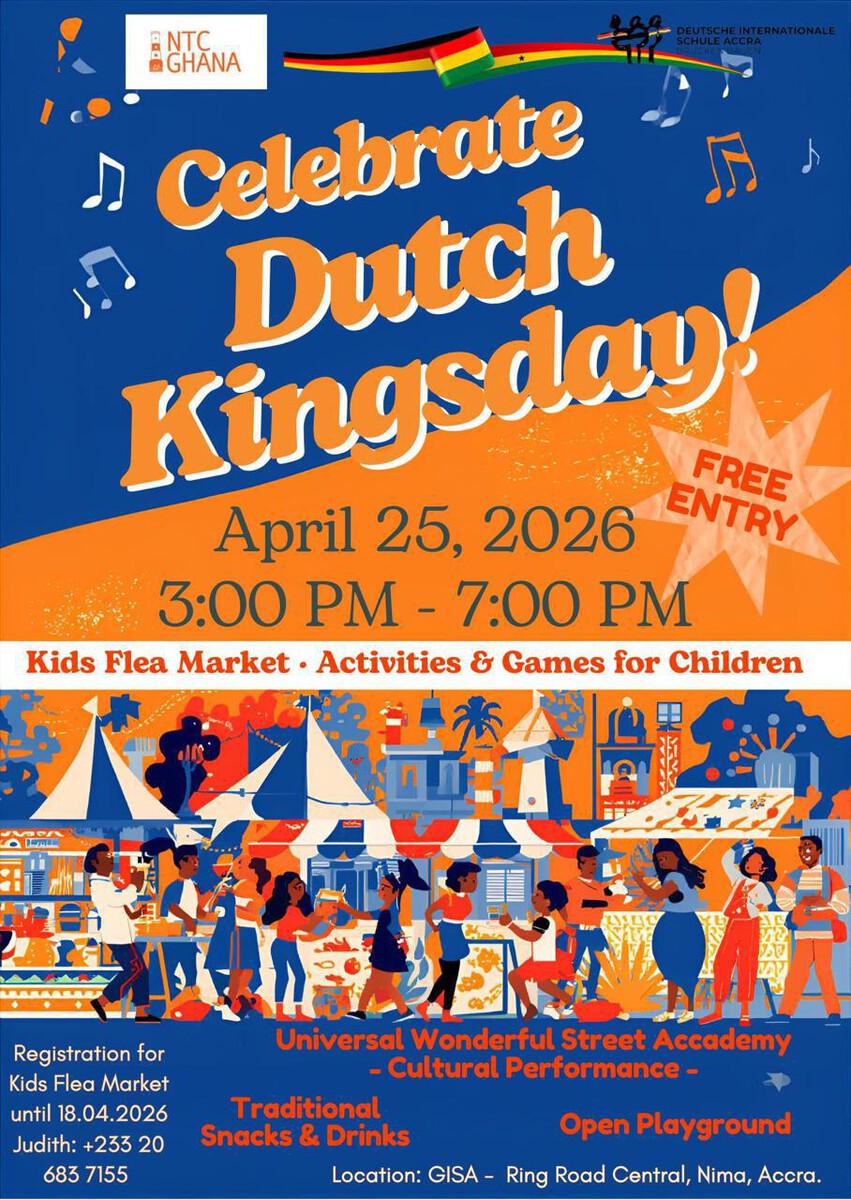 On Saturday, 25 April 2026, from 3:00 to 7:00 pm, we will celebrate Dutch King’s Day at GISA in close cooperation with the Dutch School. This collaboration once again highlights the international spirit of our school and the strong connections between cultures.
Look forward to an afternoon full of activities including a children’s flea market, games, cultural performances, as well as snacks and drinks. Entry is free.
Friday, 15 May 2026 – Fun & Run for Street Children
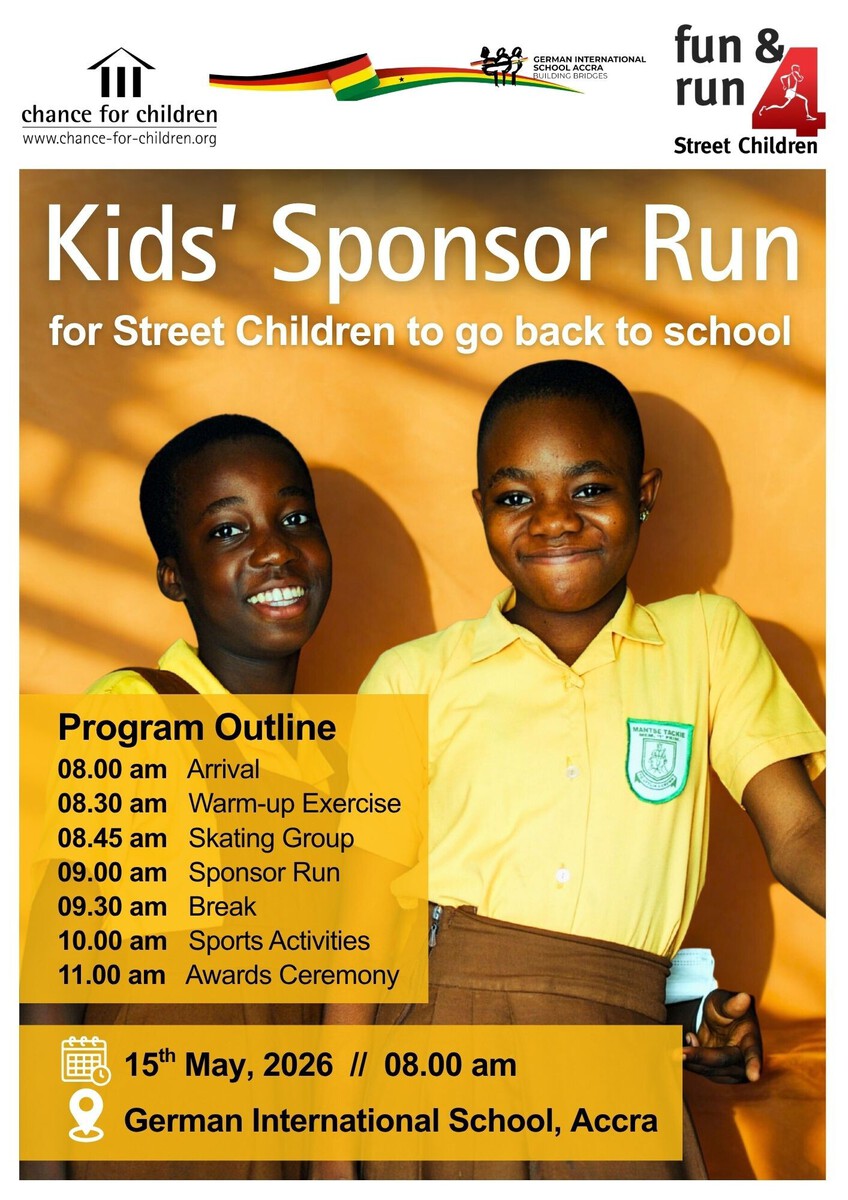 On Friday morning, 15 May 2026, GISA will once again host the Fun & Run for Street Children, a sponsored run in collaboration with Chance for Children. The aim is to raise funds to provide street-connected children with access to education.
Next week, all students – including those in kindergarten – will receive a sponsor sheet. We kindly ask for your support in helping your child find sponsors. Every contribution makes a meaningful difference.
Parents are warmly invited to join and run with us.
Wednesday, 20 May 2026 – A not only classical music evening
On Wednesday, 20 May, we warmly invite you to a special music evening at GISA. In addition to performances by our students, talented young musicians from outside the school will enrich the evening with, among other things, classical music.
 We are currently looking for students who would like to contribute musically. Whether beginner or advanced, everyone is welcome to participate – including singers.
Jakob Platzek offers coaching sessions on Monday afternoons and is happy to support students musically.
If interested, please contact him via WhatsApp or phone:
+233 59 169 7400
Thursday, 21 May 2026 – Coffee with DaF
We are already looking forward to the next “Coffee with DaF” on Thursday, 21 May 2026, and warmly invite all interested parents to continue the exchange on multilingualism and language development.
Nursery and Kindergarten
We had a lovely and active week in the nursery.
The children spent a lot of time outdoors, where they could move freely in the garden, play, and explore their environment. In the group room, they played together, explored different materials, and gained important social experiences. In the under-3 area, free play is a particularly important part of our daily routine.
During morning circle in kindergarten, we explored the topic of vehicles and transportation 🚗🚌✈️. The children really enjoyed learning about different types of vehicles and talking about them 🚦
We also practiced numbers and did tracing activities 🔢✏️. The children worked very hard and showed great effort.
In addition, we started making a flower pot from a plastic bottle 🌱♻️ – next week, we plan to plant something together 🌼
During music time, the children had the opportunity to try out different instruments 🥁🎶, and we jammed together to Billie Jean by Michael Jackson – that was definitely a highlight 🎤🕺
We also worked on the letter A 🔤 and completed a related worksheet.
Another activity was a cutting exercise ✂️, where the children created vehicles using different shapes 🚗🔺🟦 – everyone really enjoyed this.
A particularly nice moment was storytime using the Kamishibai 📖, along with many other fun games that brought lots of laughter 😄
Very special was also the visit from students from the DaF/DaZ classes, who came to read stories to our children – this was truly wonderful 💛
During free play, children explore their environment independently, try things out, and gain a wide range of experiences. At the same time, important skills are developed:
🧠 thinking and problem-solving
🗣️ language development
🤸 motor skills and movement
🤝 social skills
Free play allows children to make their own decisions and learn at their own pace. In doing so, they build confidence, creativity, and a sense of independence.
In short: children learn most effectively during free play – in a playful, holistic, and joyful way.
It was a truly wonderful week!
Primary School
Grade 1/2
In German lessons, Grade 1/2 started tandem reading. In this method, two children read together: one takes on the role of the “athlete,” the other the “coach.” This helps to improve reading fluency, accuracy, and self-confidence.
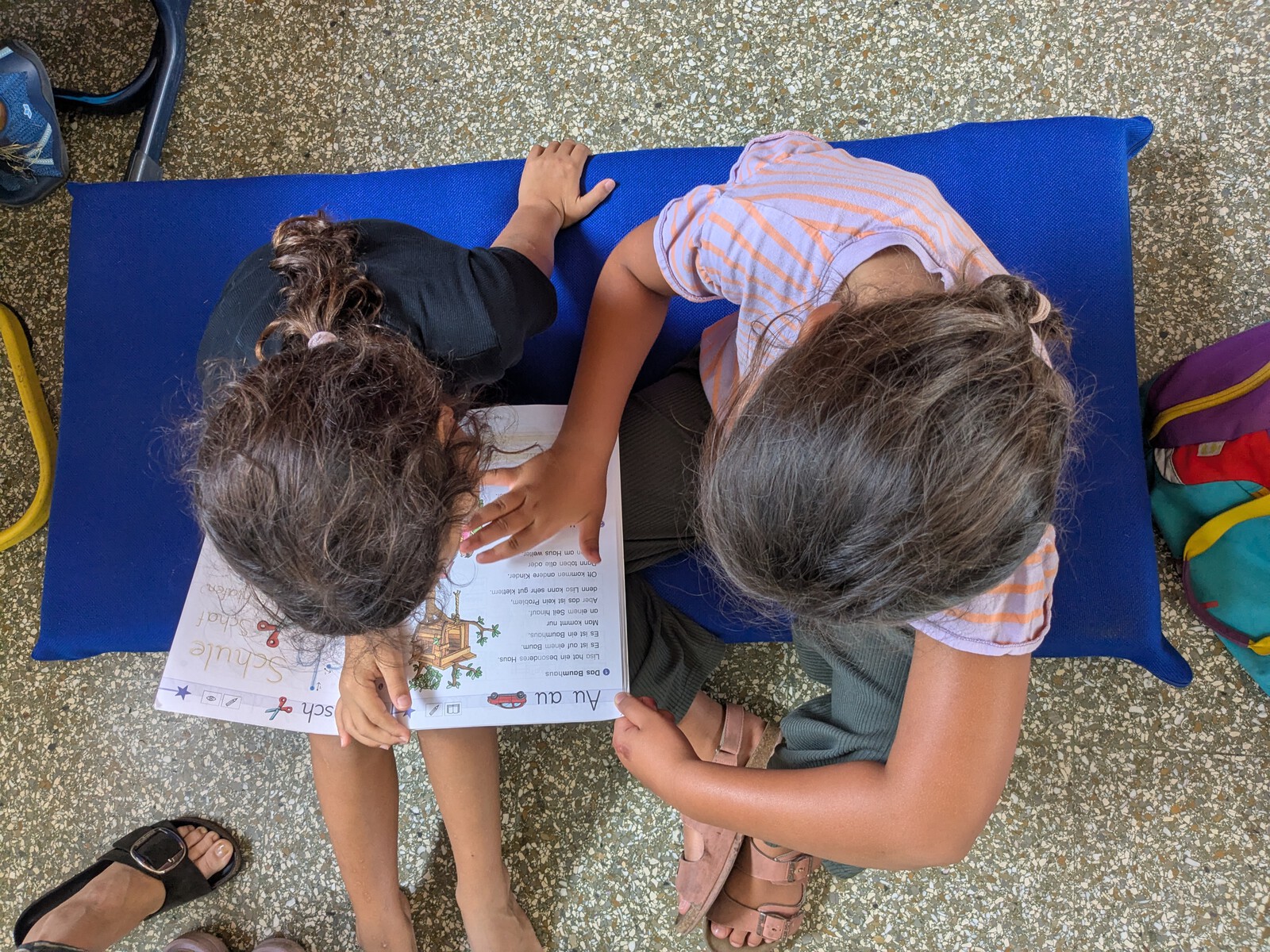
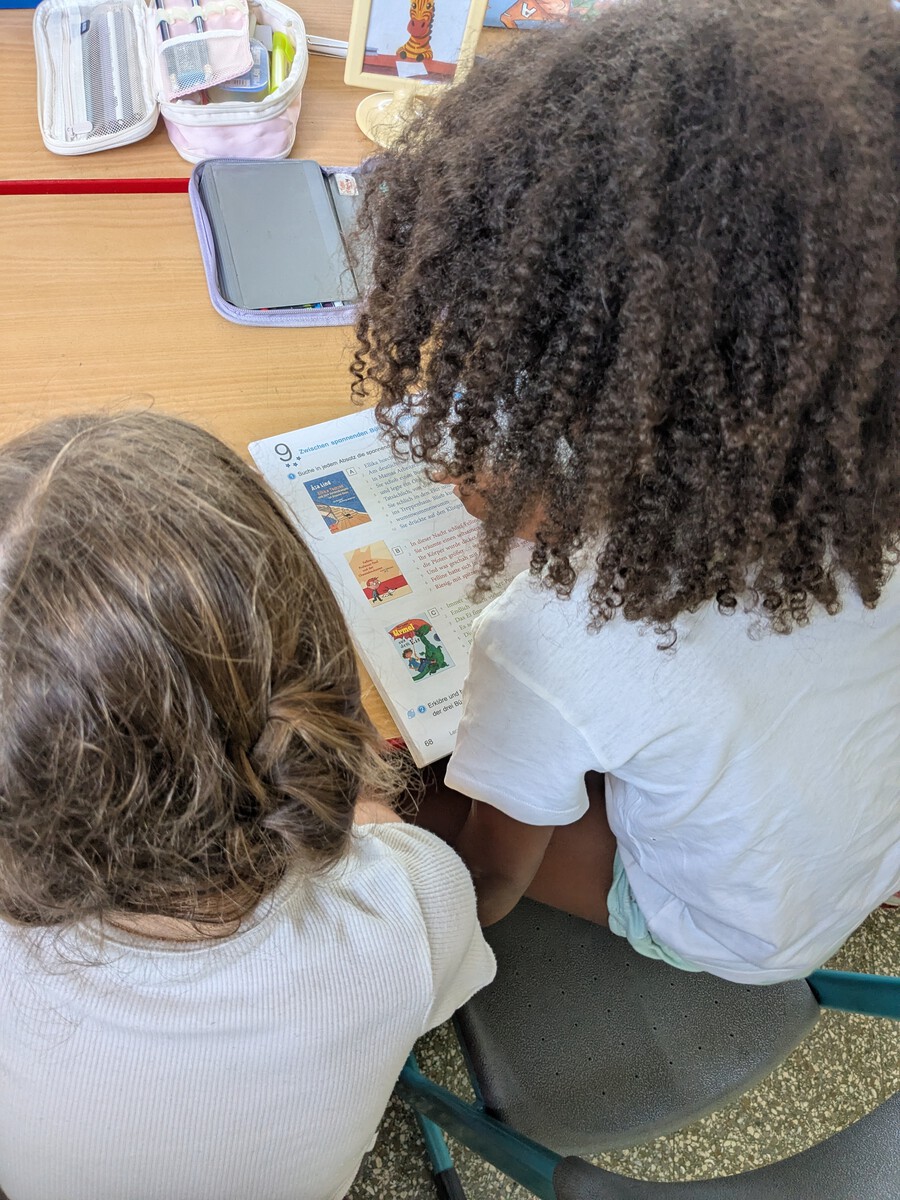
In mathematics, Grade 1 is currently working with a weekly plan. This allows the children to complete tasks at their own pace and become increasingly independent. Grade 2 is currently focusing on the topic of length. The children estimate, compare, and measure objects using a ruler in centimeters.
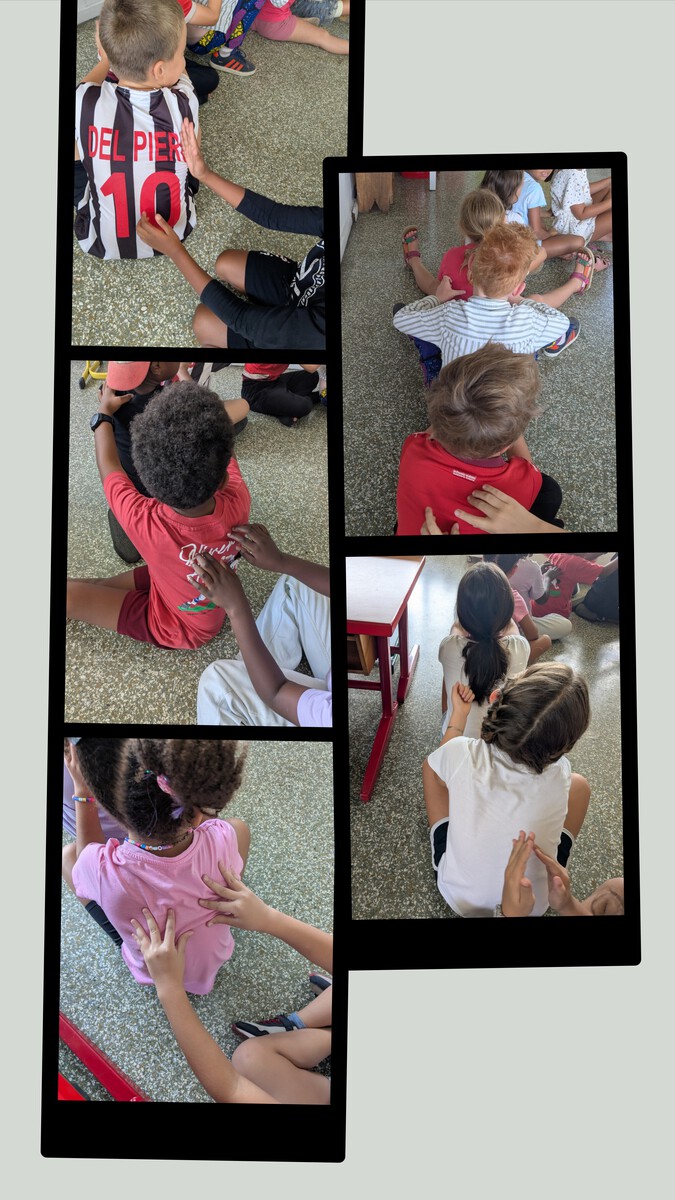
In music lessons, the children listened with great enjoyment to “Spring” from Vivaldi’s “Four Seasons.” Inspired by the music, they gave each other a small massage in rhythm and in line with the mood of the piece.
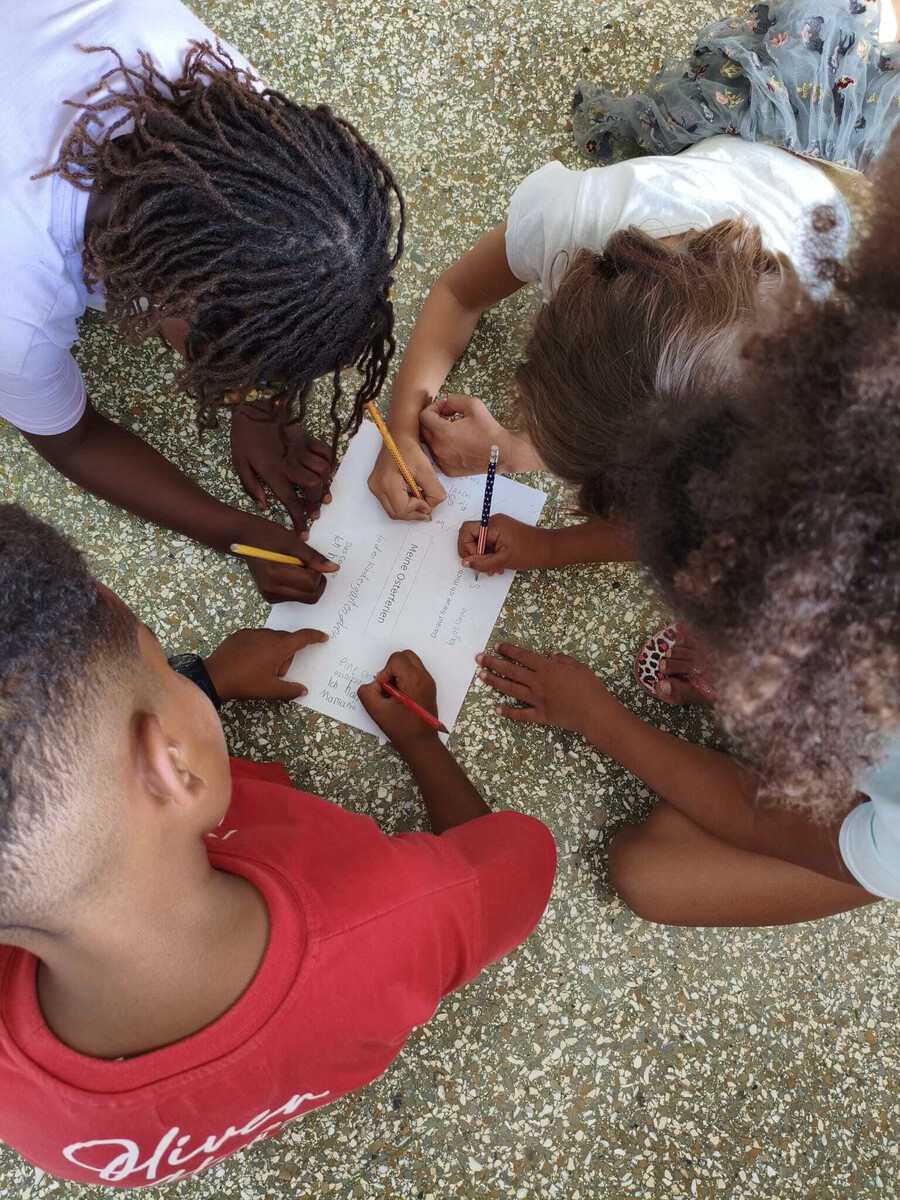
The placemat method was also used again to help the children reconnect after the holidays. They responded to prompts such as “a beautiful place,” “what was funny?”, “what was the coolest moment?”, and “what are you looking forward to at school?” The sheet was filled in from four sides at the same time and then rotated so that each child could contribute to every question.
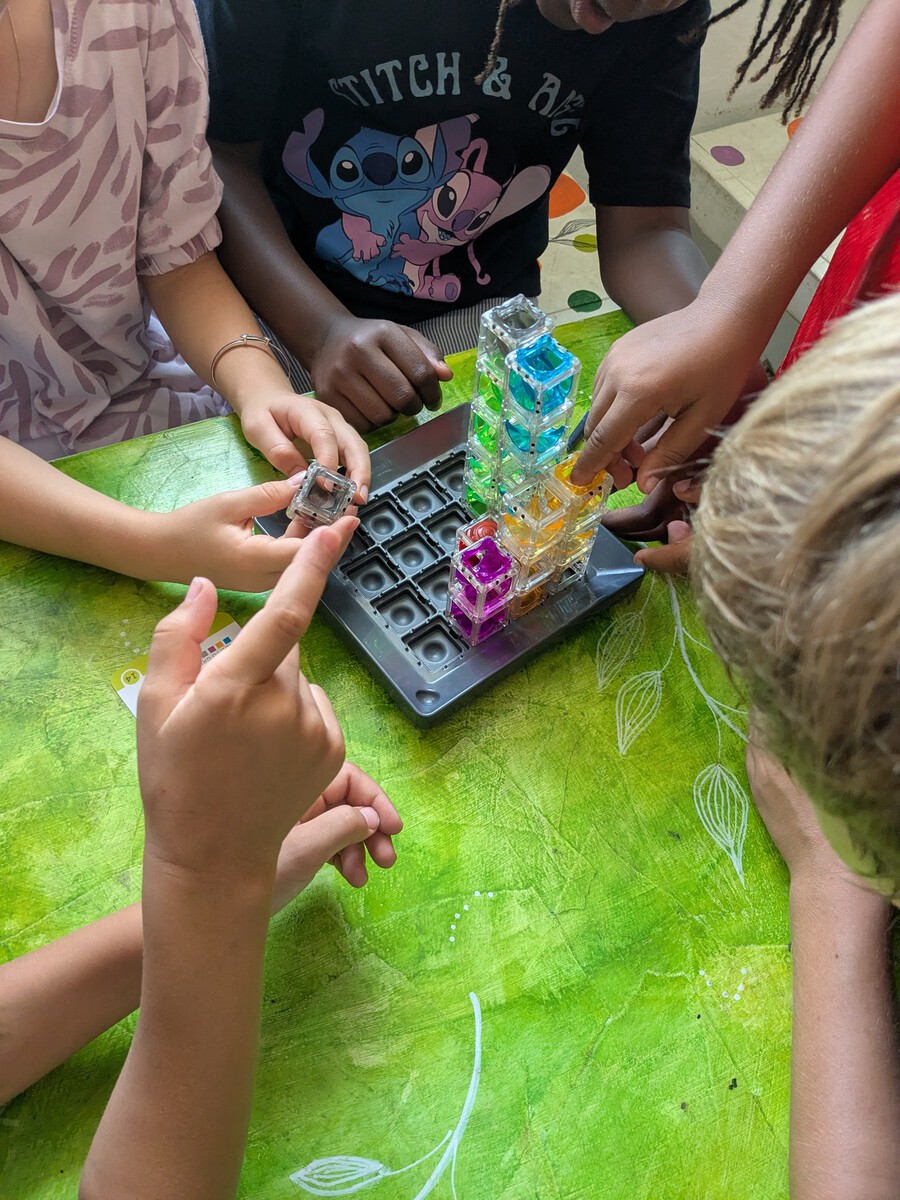
During the “Stärken stärken” support session, the children played the puzzle game “Gravity Maze.” This activity strengthens spatial awareness as well as teamwork. The children worked together to figure out how to guide a ball to a specific target by placing different building elements, while also learning to exchange ideas and agree on solutions.
This week, the children were also invited to name their three preferred table neighbors. The new seating arrangement takes these wishes into account and brought many smiling faces to the classroom.
Grade 3/4
In German lessons this week, we worked on words with double consonants and completed a variety of related exercises. We also introduced direct speech and learned how to recognize and use it correctly.
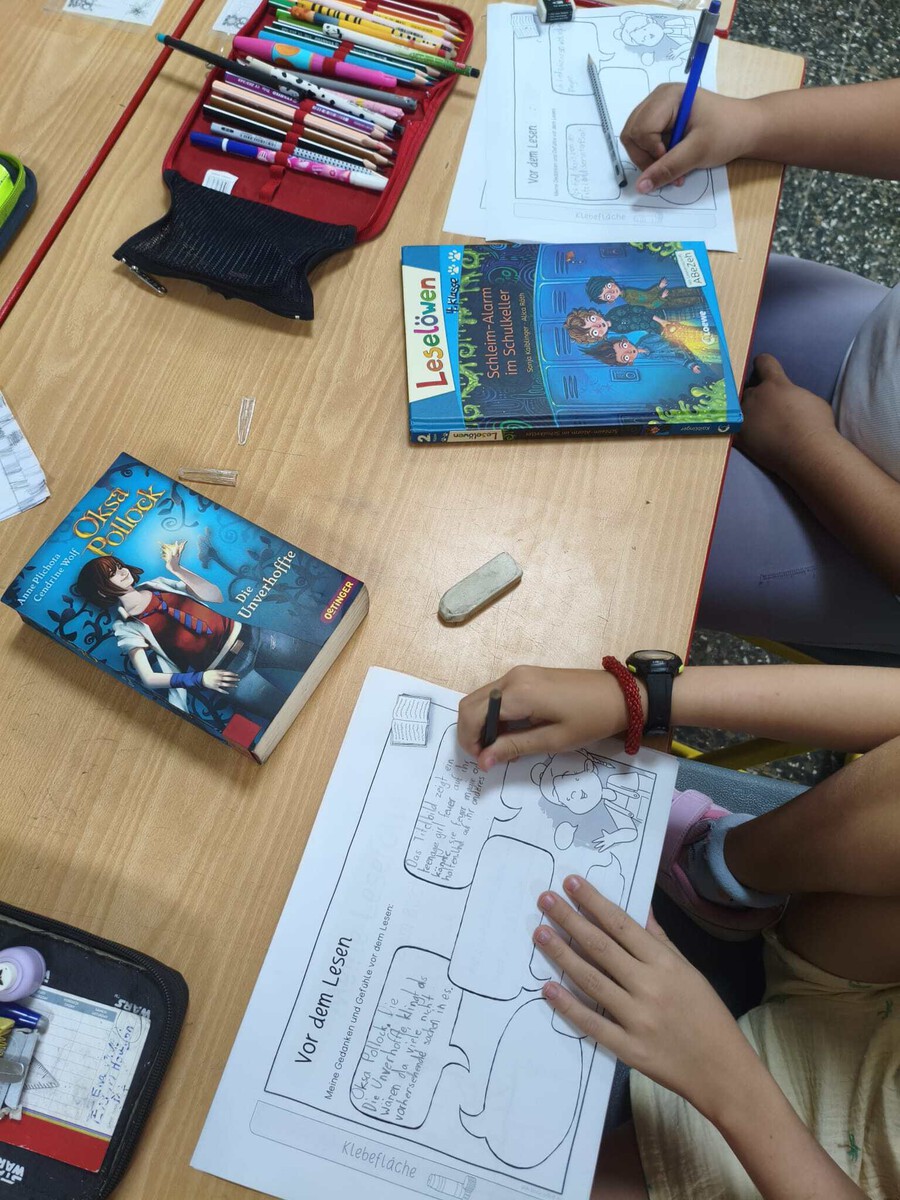
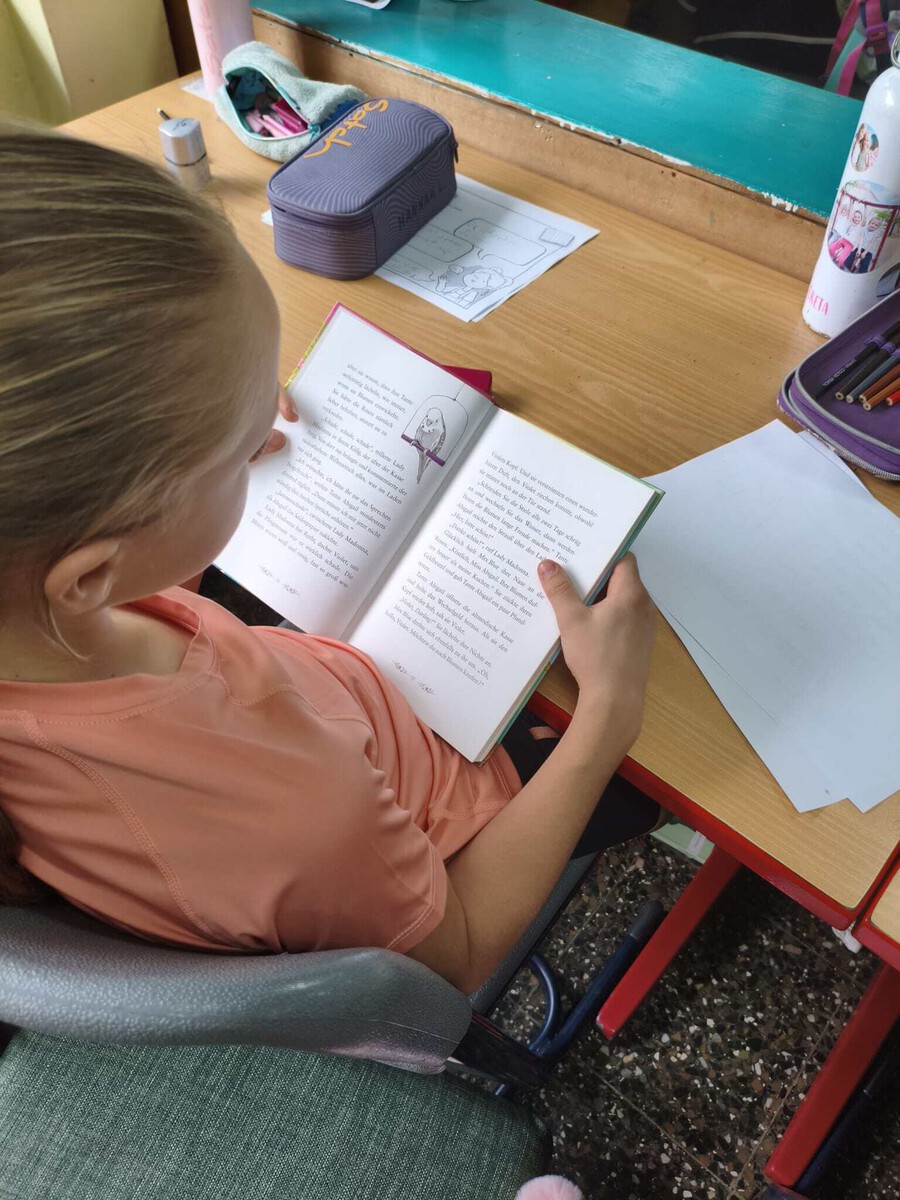
A special highlight was the start of our reading project (“Leserolle”): the children read their own chosen book and created a kind of portfolio. In it, they completed different tasks related to their book and recorded their thoughts and impressions.
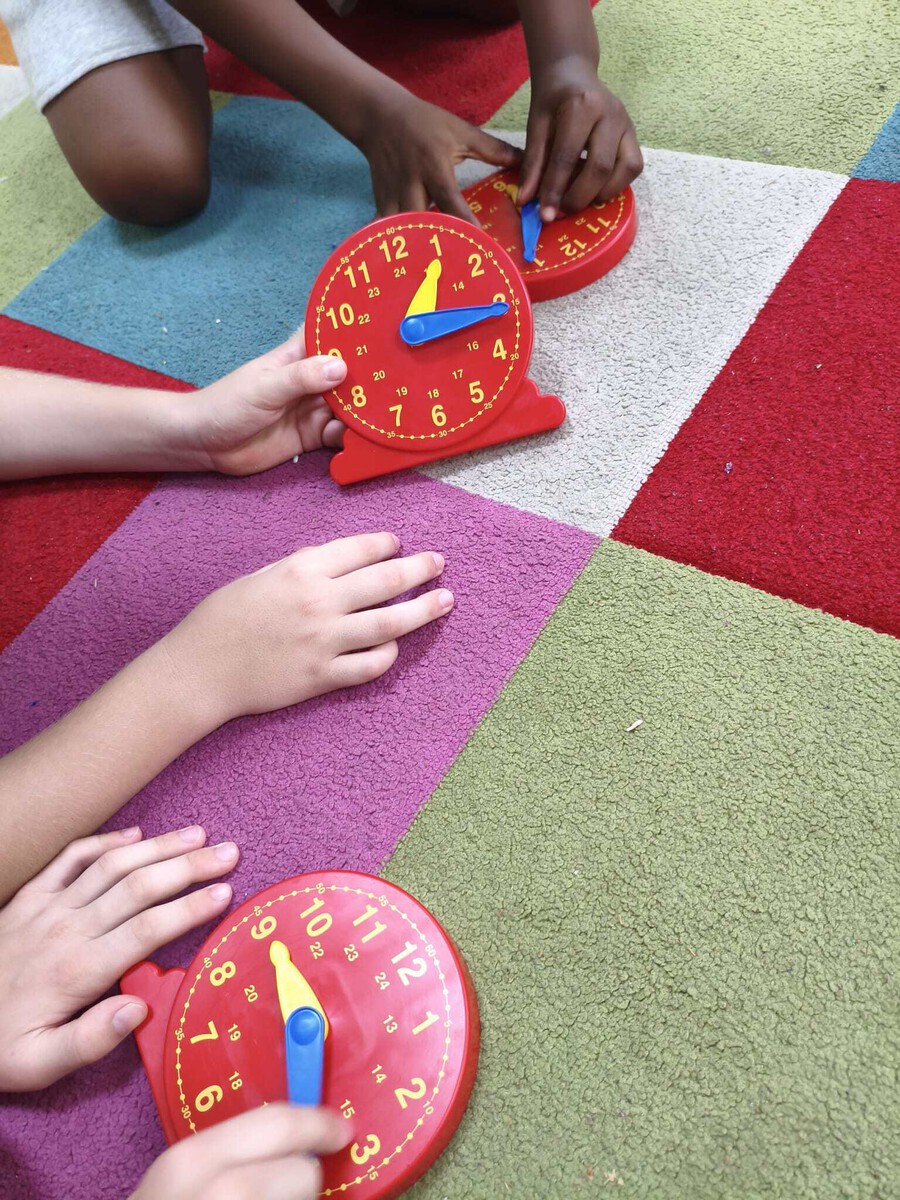
In mathematics, Grade 3 worked on completing the topic of written addition and practiced the individual calculation steps again. Grade 4 focused on addition and subtraction within the number range up to one million. We also began a new topic together: time, practicing how to read the clock.
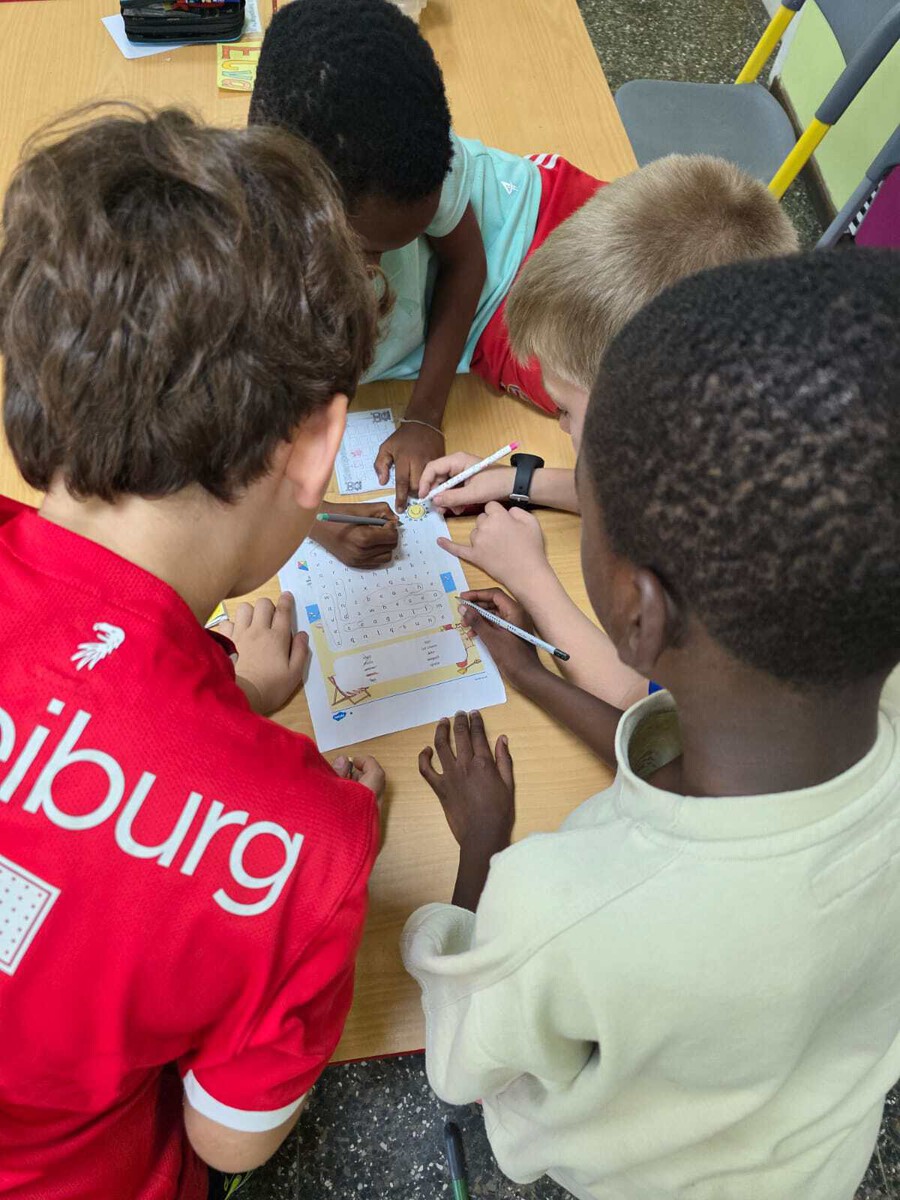
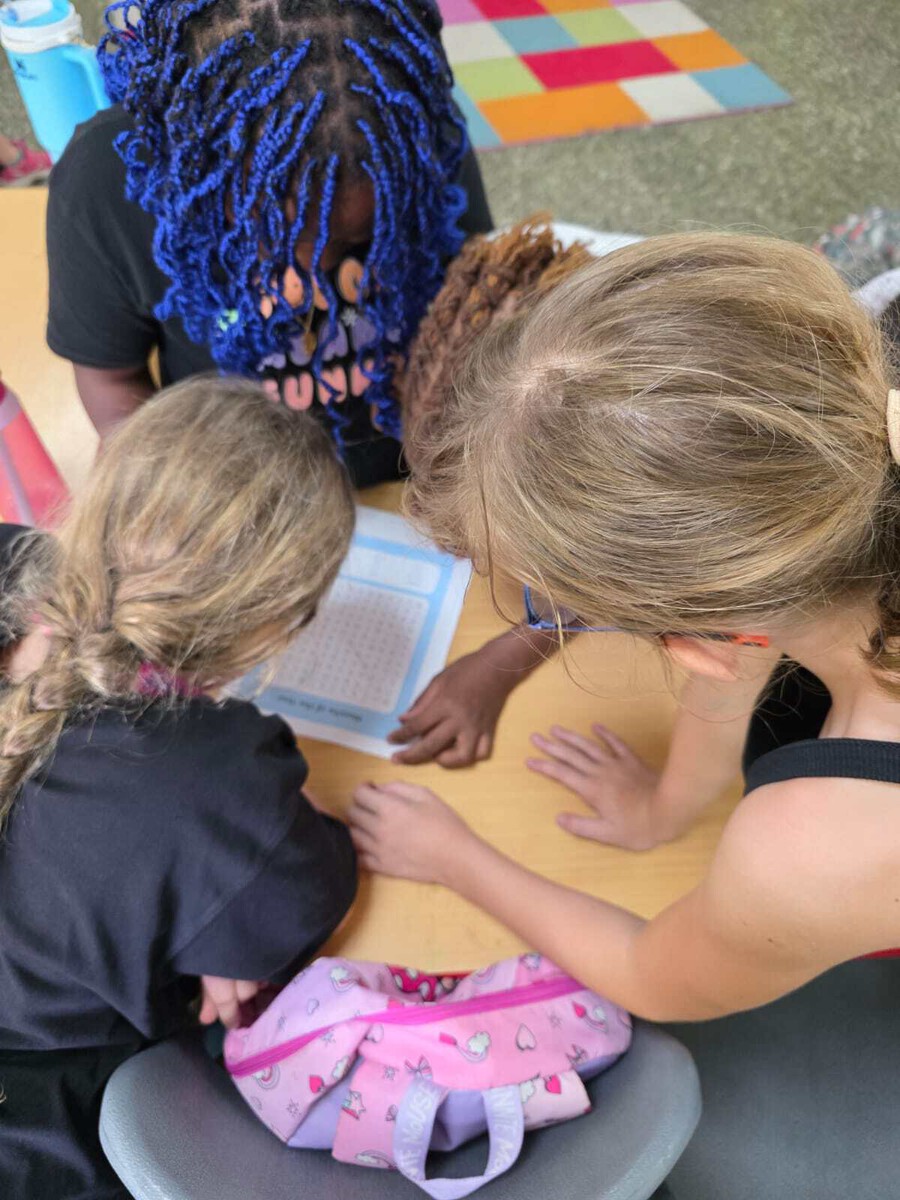
In English lessons, the children took part in a team-based word search puzzle. This activity supported spelling, vocabulary development, and teamwork. In addition, the groups participated in guided reading sessions, where they received targeted support in reading texts carefully and answering comprehension questions correctly.
German Intensive Class
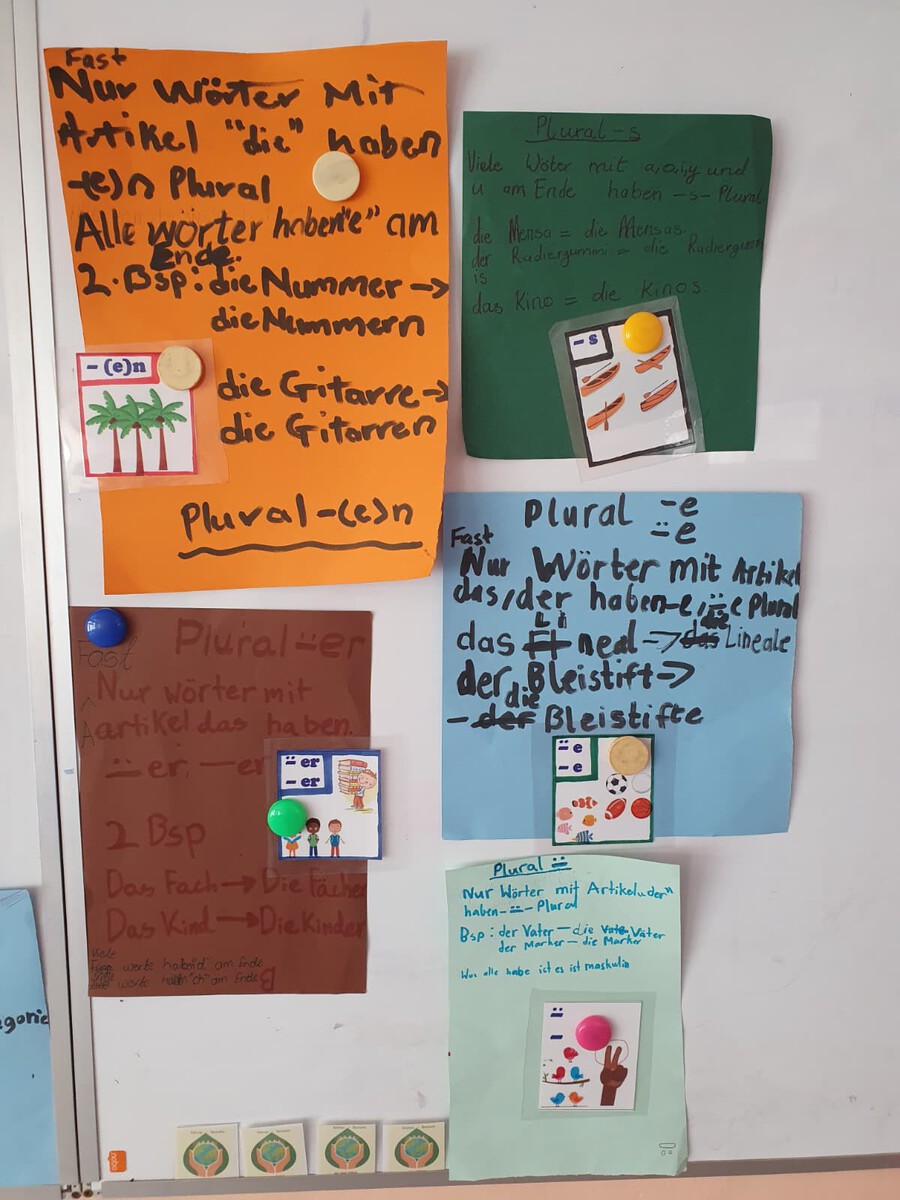
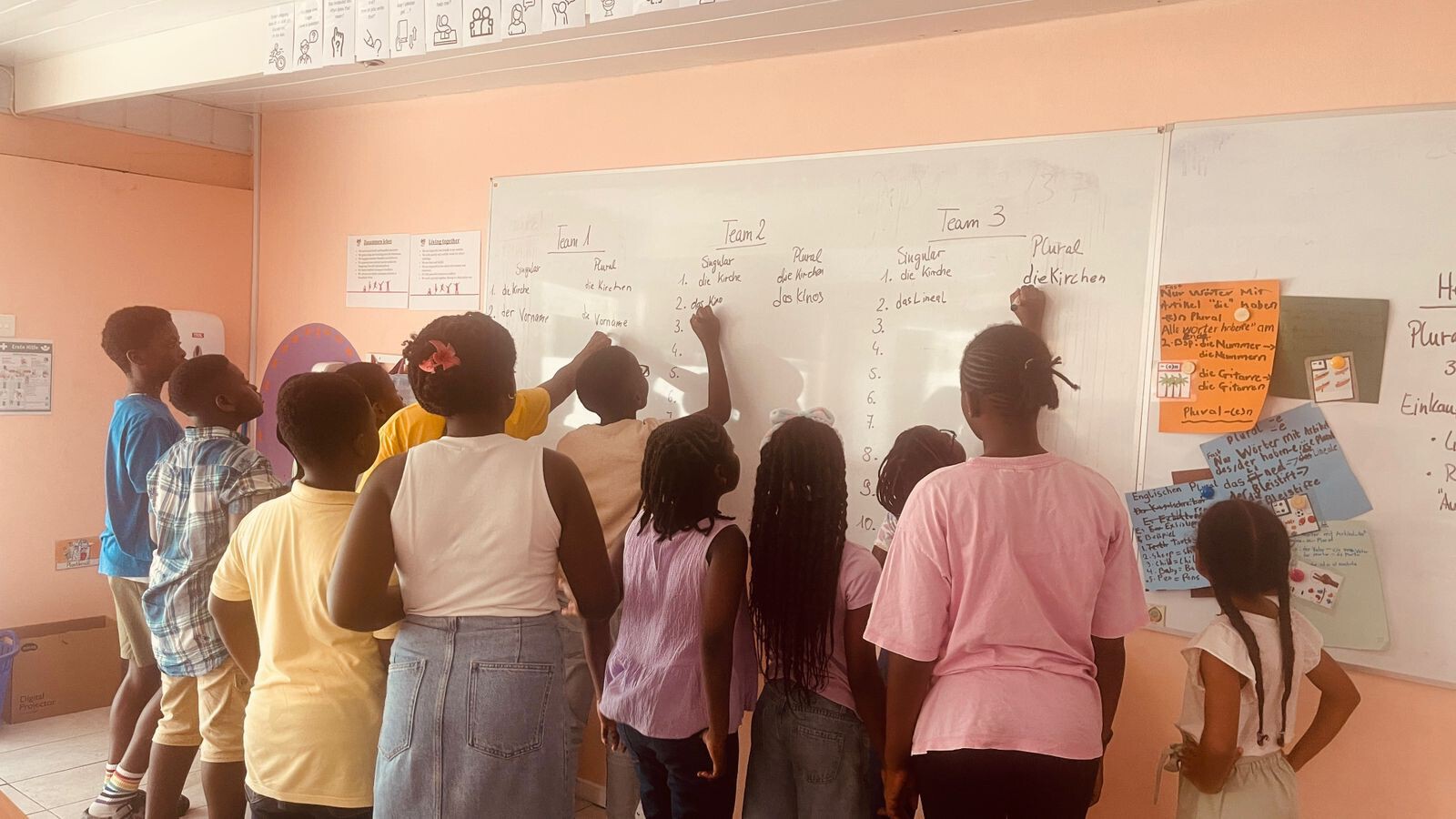
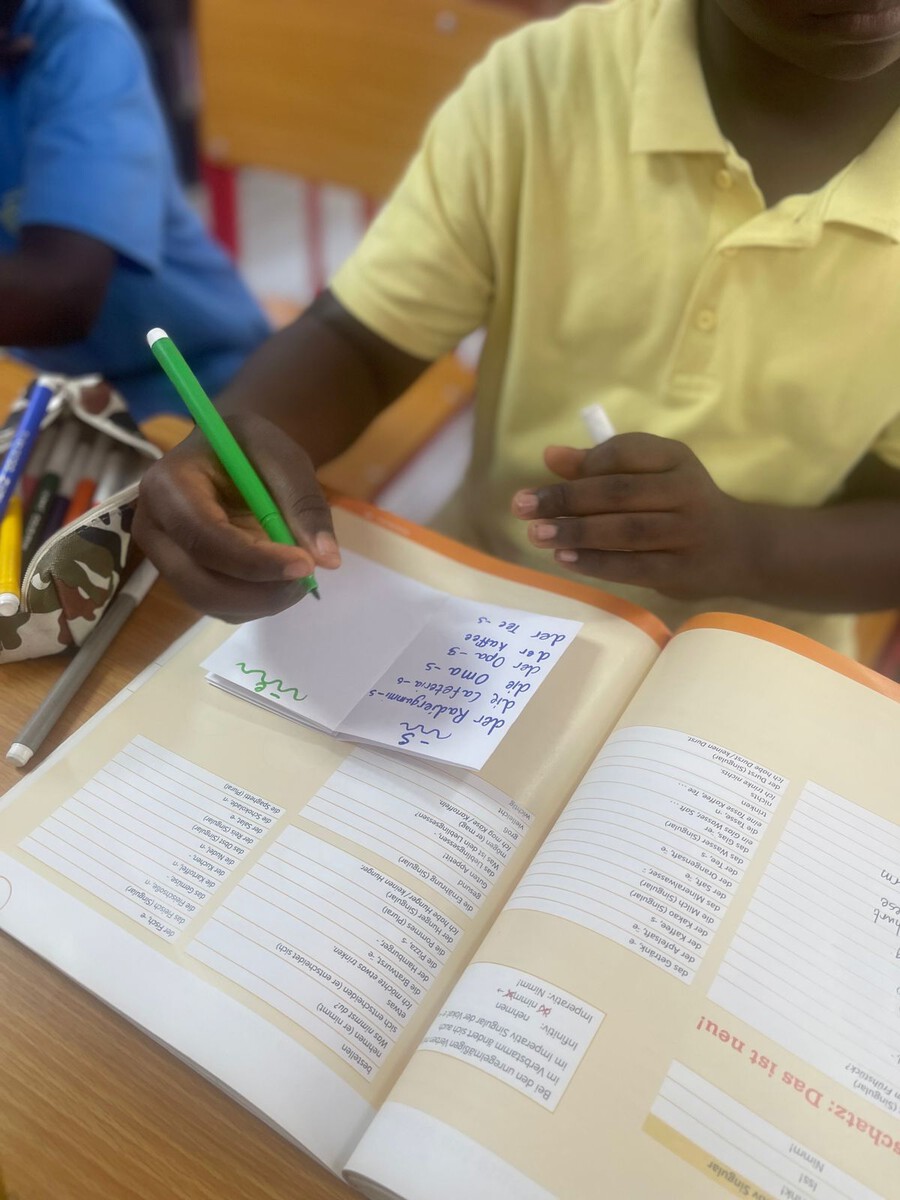
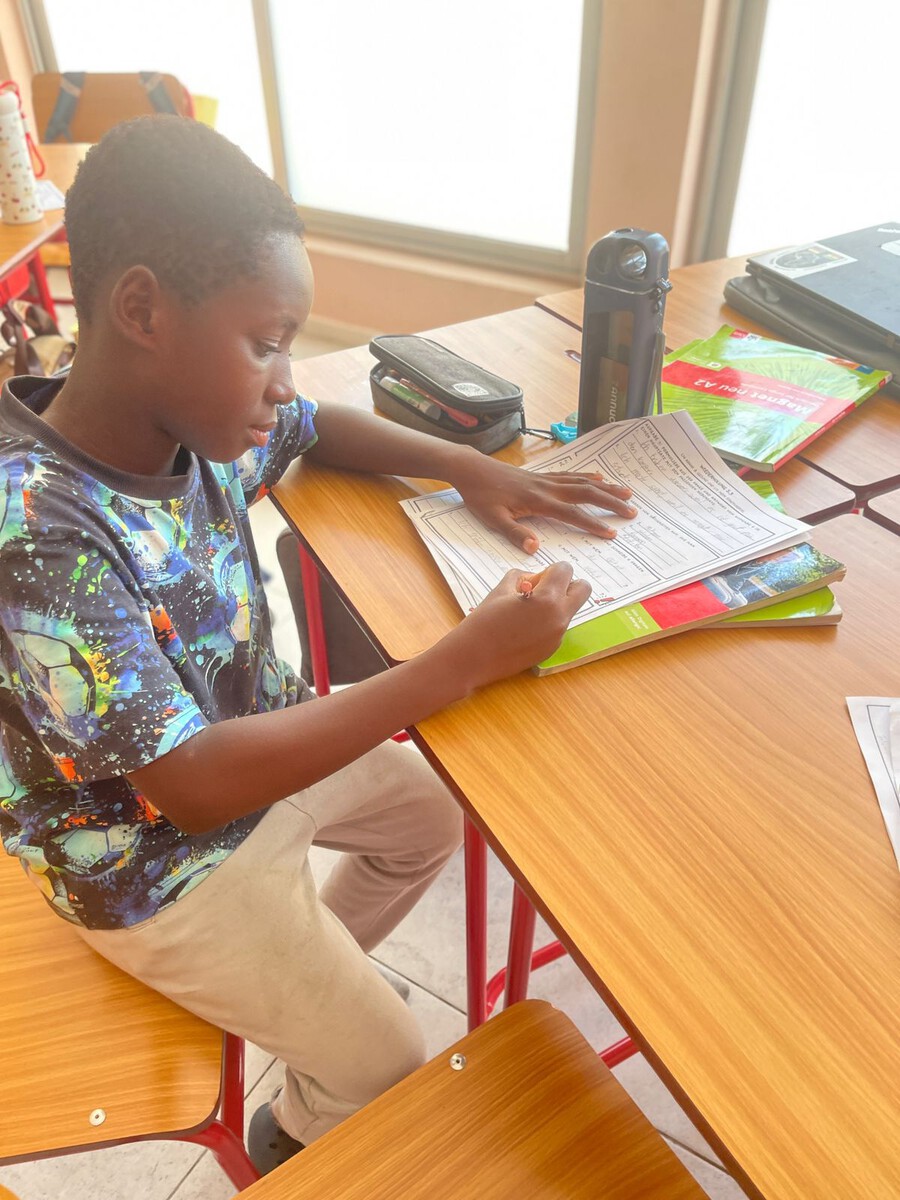
This week, the intensive DaF class continued working on Lesson 6, focusing on school materials. The motivated learners from both primary and secondary levels worked in six groups to explore the categories of German plural formation as well as effective learning strategies. Each group then presented their findings and guided their classmates through the content.
In grammar, the students revisited the accusative case, this time in connection with definite articles. They also continued practicing how to distinguish between different parts of speech.
As part of team-building, the groups continued working on their projects on “teasing” and “bullying,” finalizing them so they are now ready to be presented to the school community.
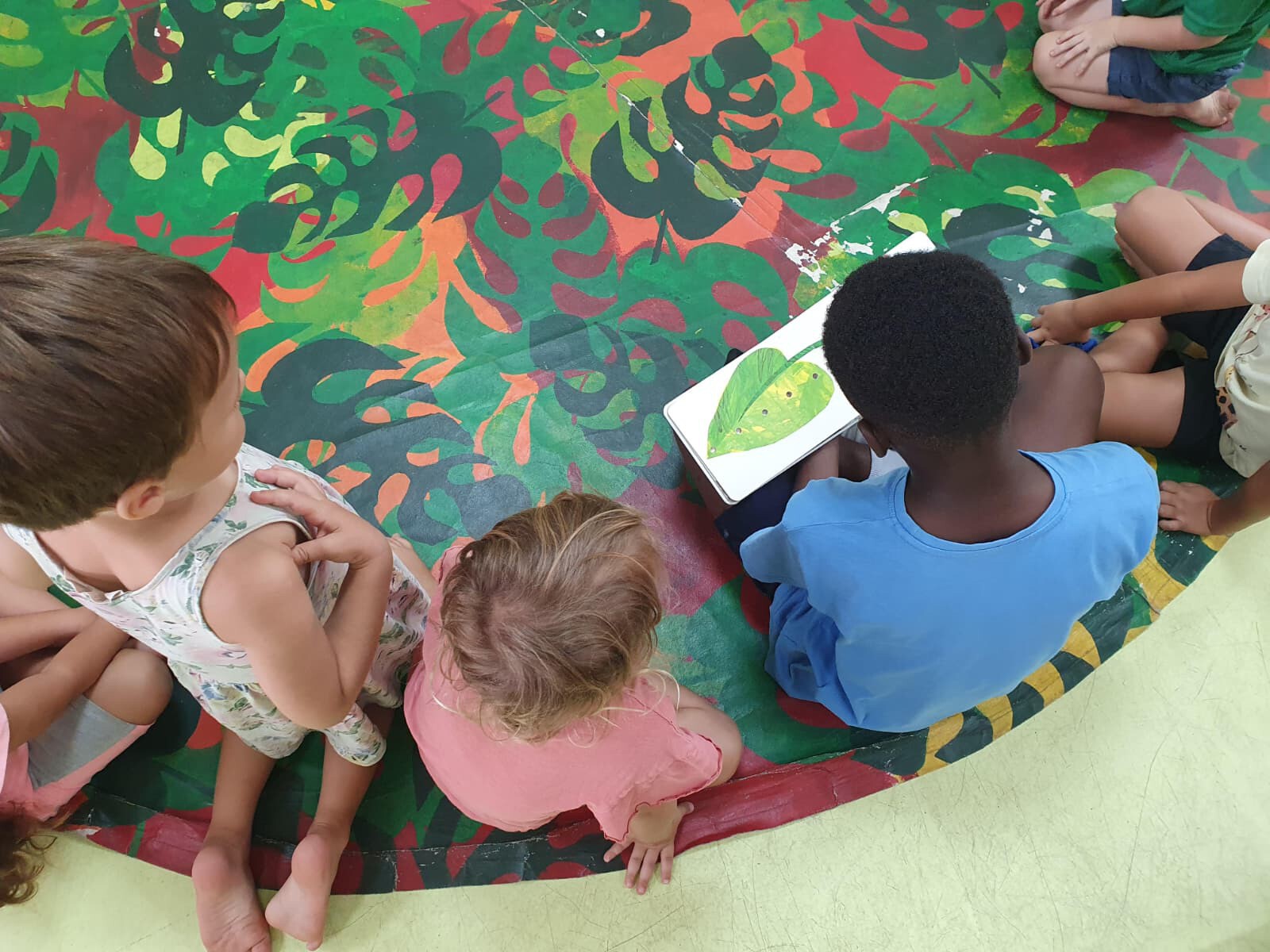
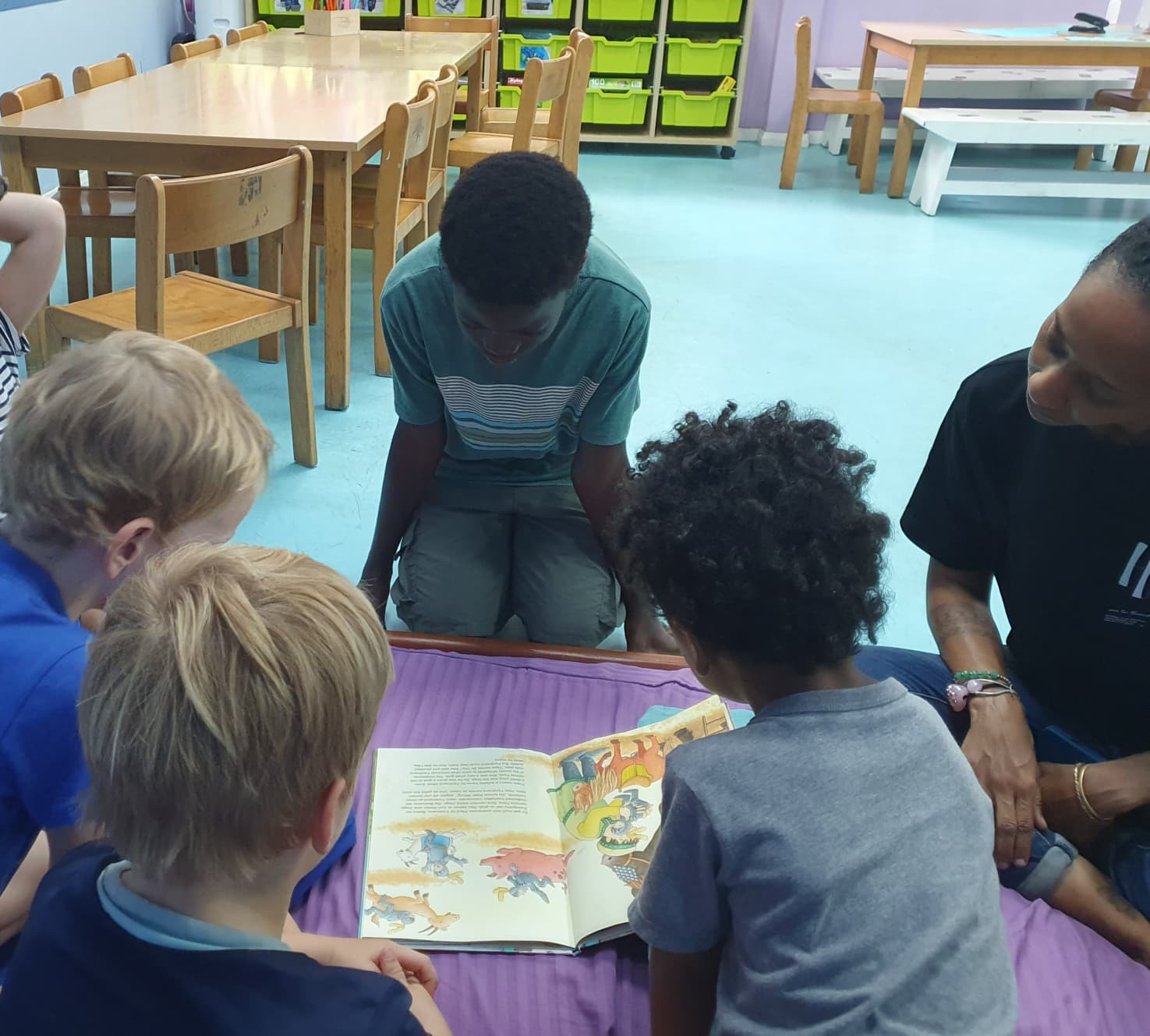
A special highlight was the contribution of the secondary students, who further developed and demonstrated their reading skills on Friday by reading aloud in German to the kindergarten children – a challenge they mastered very well, much to the delight of the younger audience.
During the week, the DaF intensive group also completed an assessment covering the current weekly topics and grammar content.
Secondary School
Grade 5
 In mathematics, we focused this week on different quadrilaterals in the coordinate system. Students discovered that a rhombus is a special type of parallelogram and identified and analyzed lines of symmetry in various shapes.
In German, the focus was on verb conjugation and the application of spelling strategies. To make learning more engaging and motivating, some lessons were designed as an “escape room,” with the goal of solving tasks together to unlock a final solution.
In biology, we explored the characteristics of mammals and learned more about their defining features.
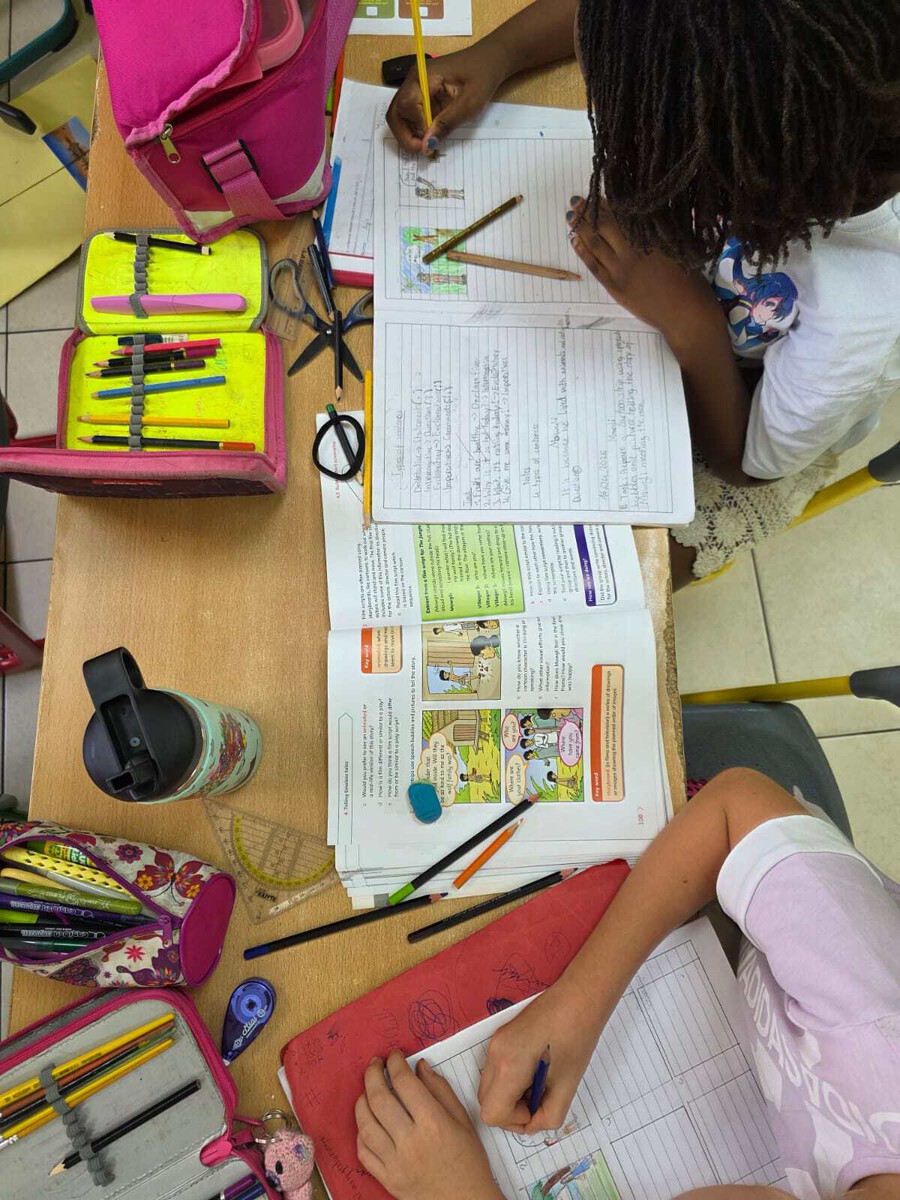
In English, as a continuation of the topic “Classic Literature,” students returned from the break with fresh ideas. They presented classic books, discussed storylines and themes, and identified key features of this genre. They also explored screenplays by creating comic strips with speech bubbles and illustrations to retell the story of Mowgli.
In geography, we began the topic Germany–Ghana. Students created their own wall map, explored the coats of arms of the German federal states, and were introduced to the basics of heraldry.
Grade 6
Back from the holidays – and straight back into action.
In German, we quite literally took big steps this week: students designed their own shoes and then described them in detail. From the sole to the laces, everything was included – and it quickly became clear how many details a single shoe can have.
In our joint German lessons (DaM and DaF), we also worked intensively on ideas for the GISA yearbook. While exploring yearbooks from previous years, students discovered many interesting, funny, and sometimes surprising entries. They then reflected on the past months and collected a wide range of experiences – from major events to small everyday moments.
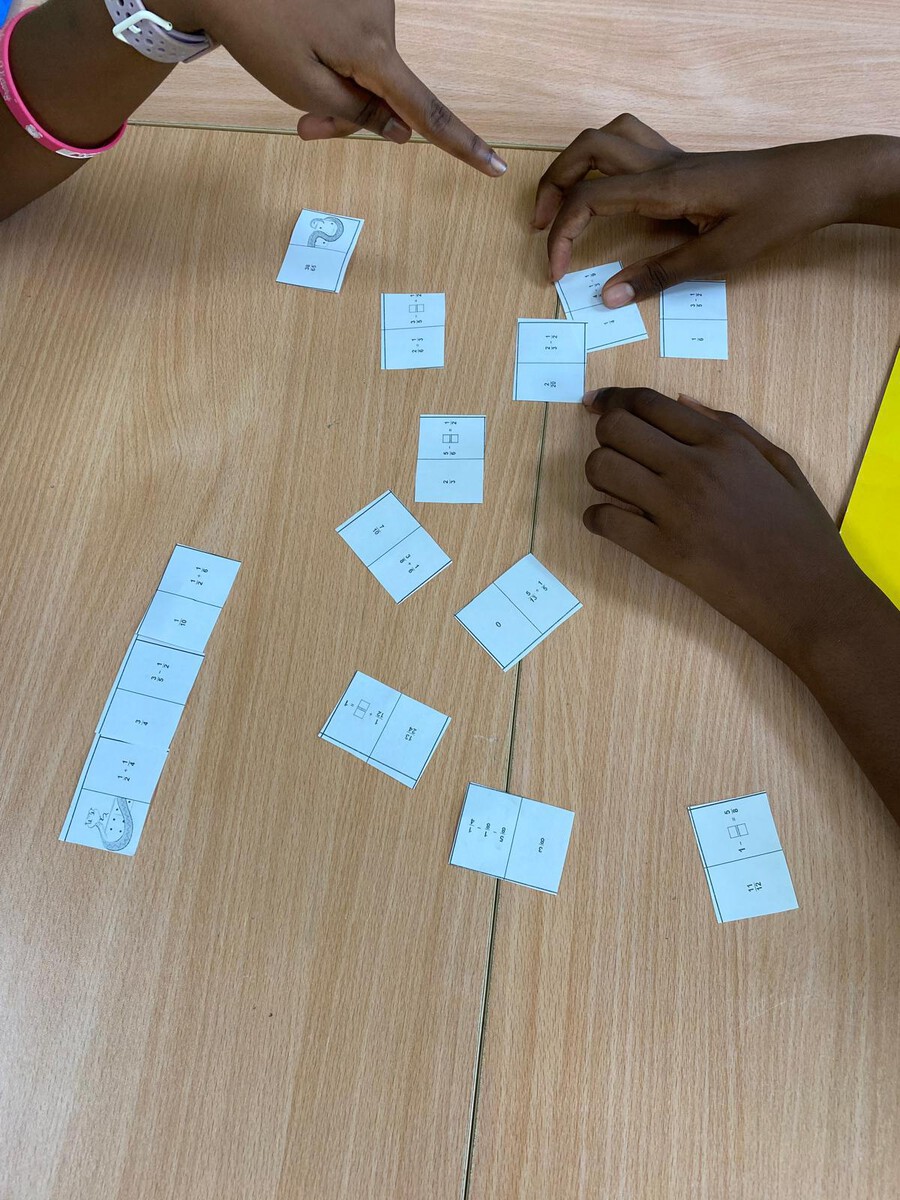 In mathematics, we restarted with a domino game on adding and subtracting fractions. This provided a motivating entry point and helped to revise and consolidate prior knowledge in a playful way. We then focused on all four basic operations with fractions.
Another important focus was the correct application of the order of operations and the confident use of brackets. The goal was to analyze and solve expressions step by step – with very promising results.
In art, we began a new topic with a picture puzzle. At first, it looked like a “tangled mess,” but through discussion and exchange, students gradually made sense of it. This showed how important communication is even in art lessons – and provided a great opportunity to practice and develop German language skills.
Conclusion of the week: We are back on track – creative, curious, and full of energy.
Grades 7/8
In mathematics, Grade 7 completed the topic of proportional and inversely proportional relationships and moved on to a new unit on percentages. The goal is to confidently convert between fractions, decimals, and percentages.
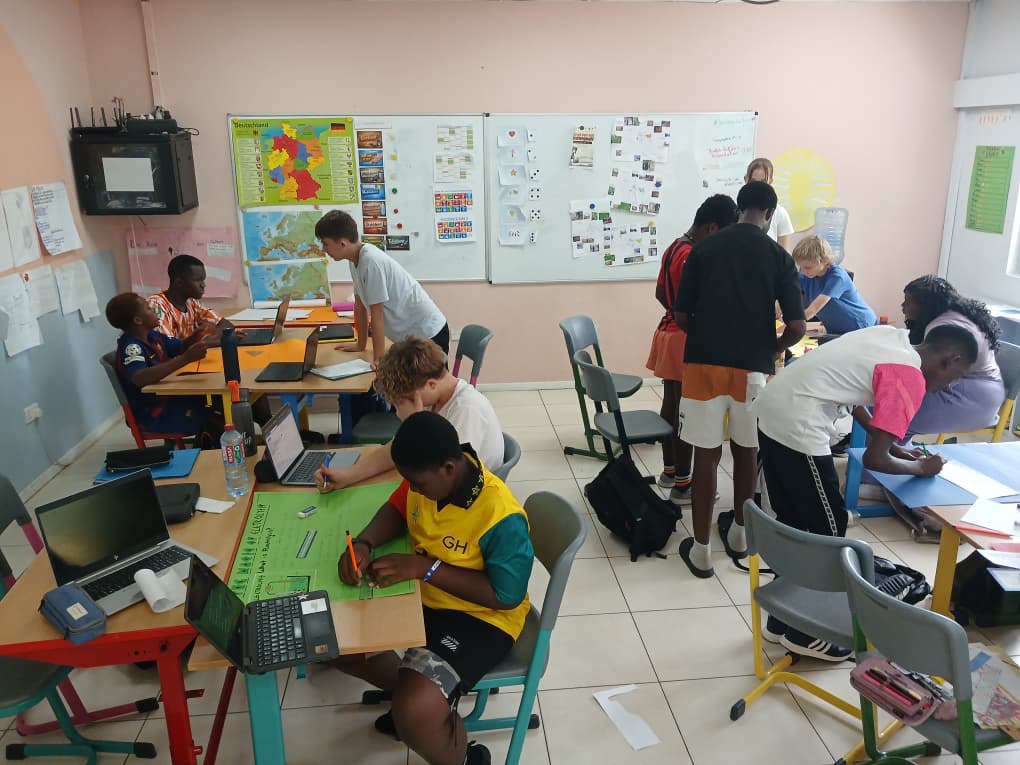
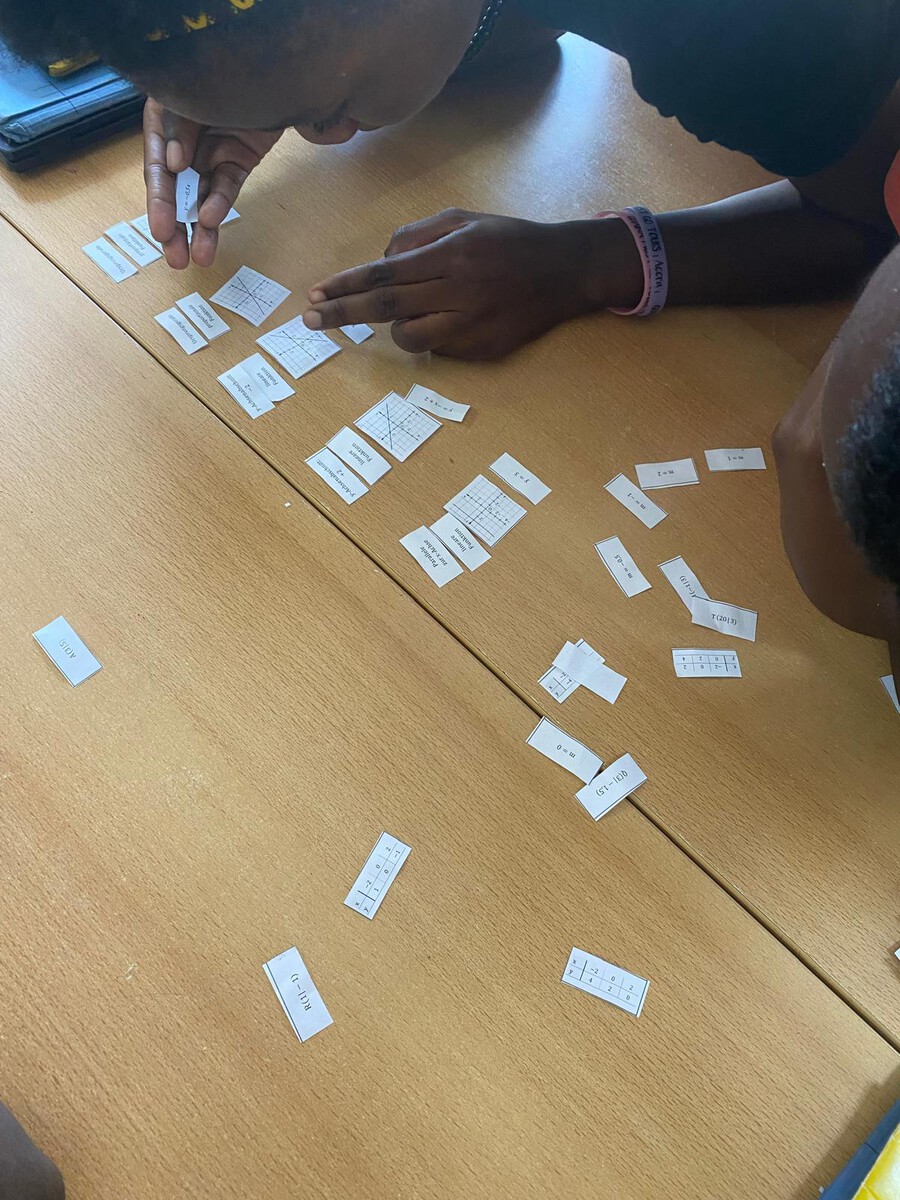
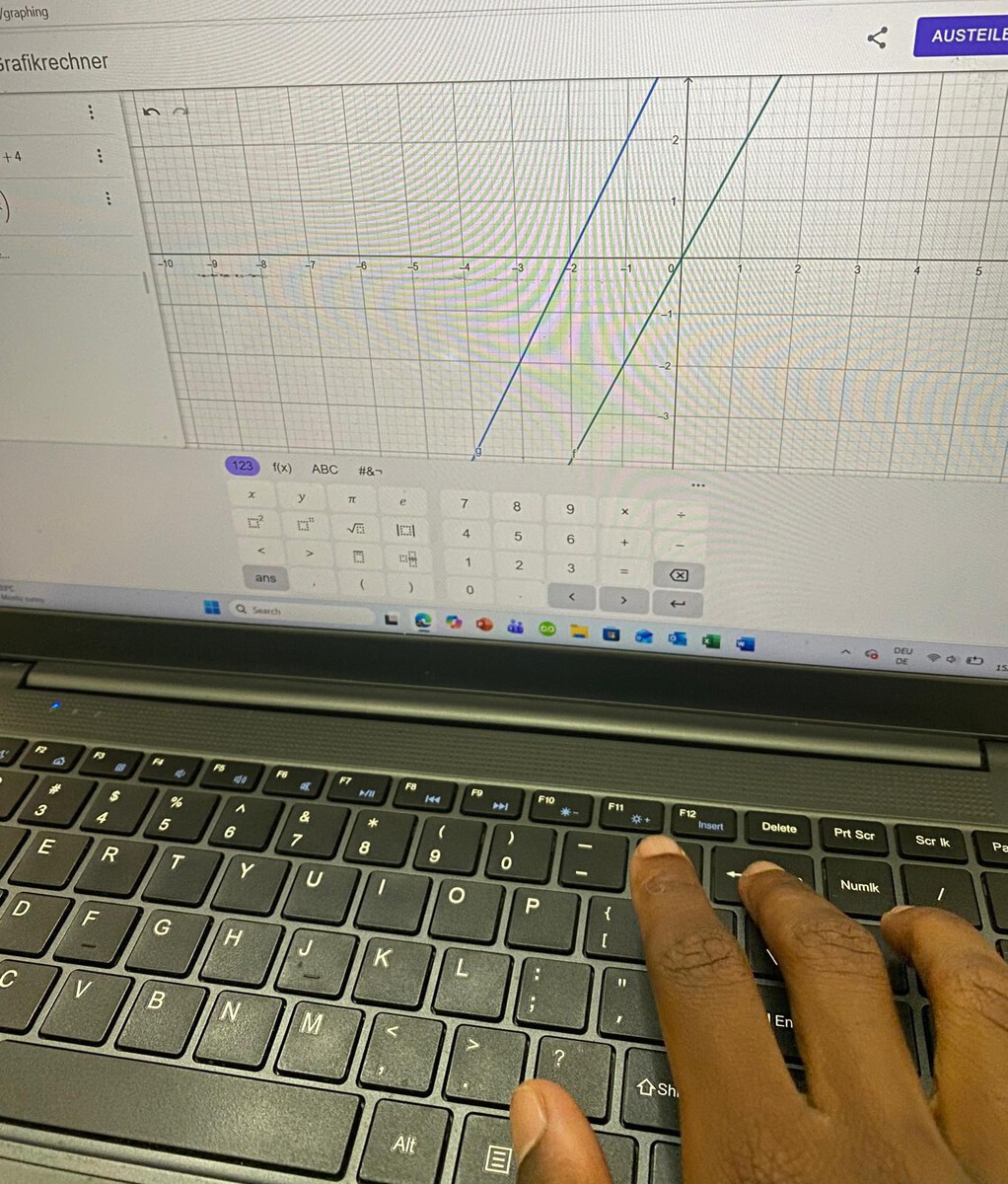
In Grade 8, students worked with the software GeoGebra. They investigated when lines are parallel, perpendicular, or in other positions relative to each other, both graphically and analytically. They also learned how to determine the equation of a function based on two given points.
In ethics, students explored the concept of conscience using discussion cards. They reflected on questions such as: In which situations do I feel guilty? Does that feeling change when I “look myself in the eyes”? It became clear that conscience is highly individual and influences personal decision-making.
In physical education, students trained their endurance in preparation for the upcoming charity run. Particularly motivating were relay and running games led by the students themselves, which ensured a high level of activity and engagement.
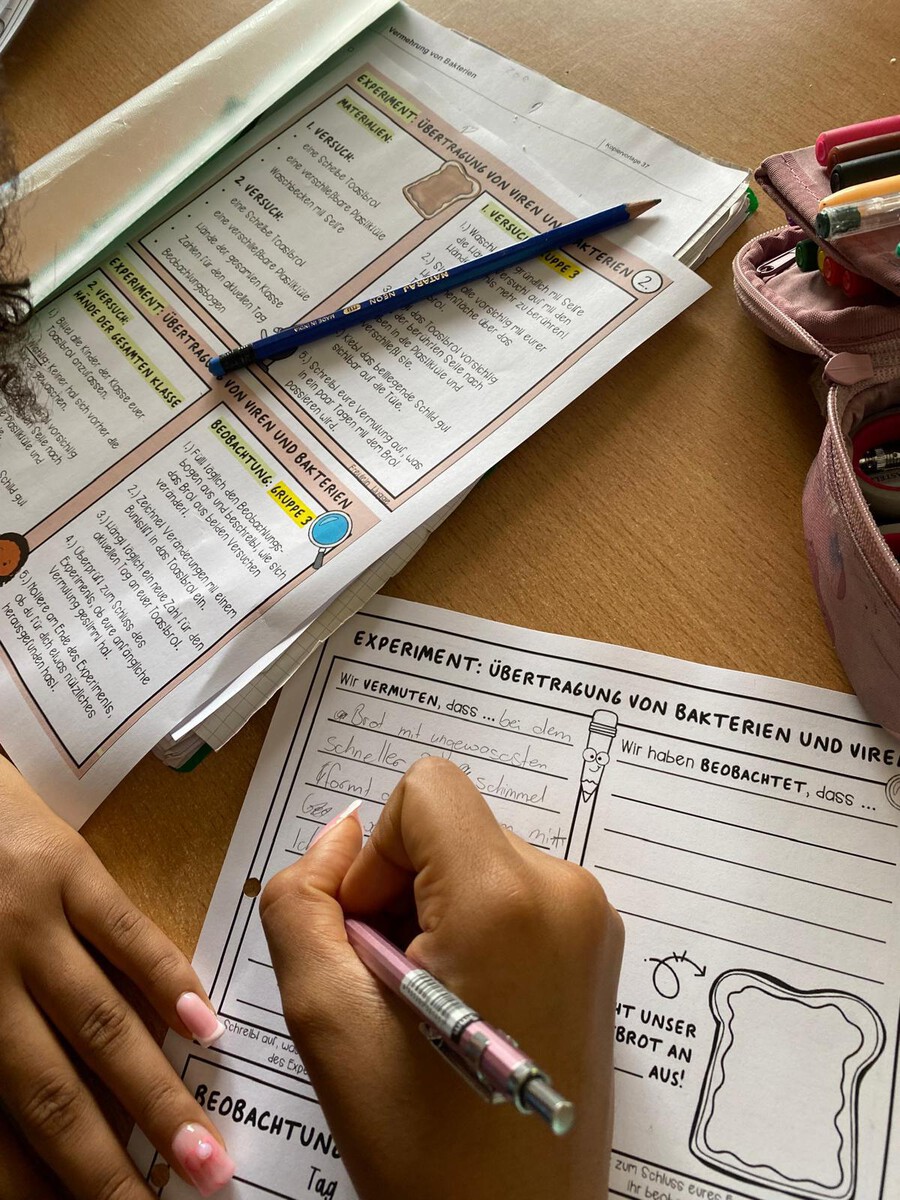
In biology, we studied the structure and way of life of bacteria. A practical experiment to observe bacterial growth was prepared. Students also learned about the structure of viruses and compared them with bacteria.
In geography, students presented creative “travel agencies” for cities around the world. They introduced key sights, planned trips, and reflected on how these journeys could be made more sustainable.
In history, students gave interesting presentations on Großfriedrichsburg in Princess Town and began the new topic of “Revolutions.”
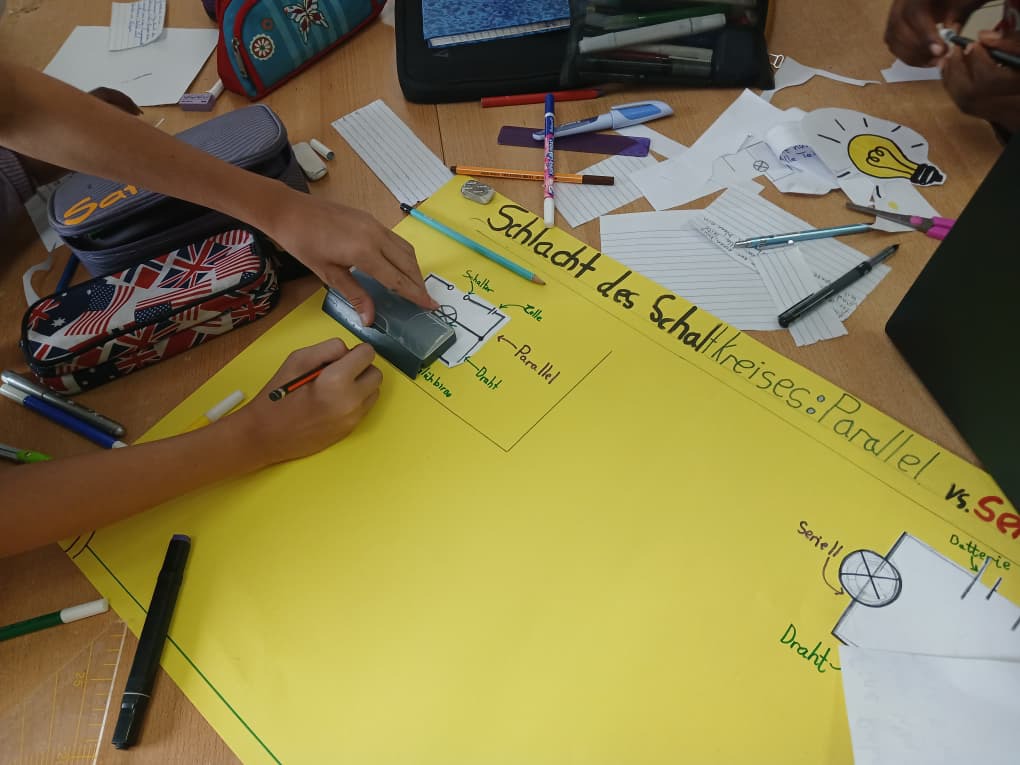
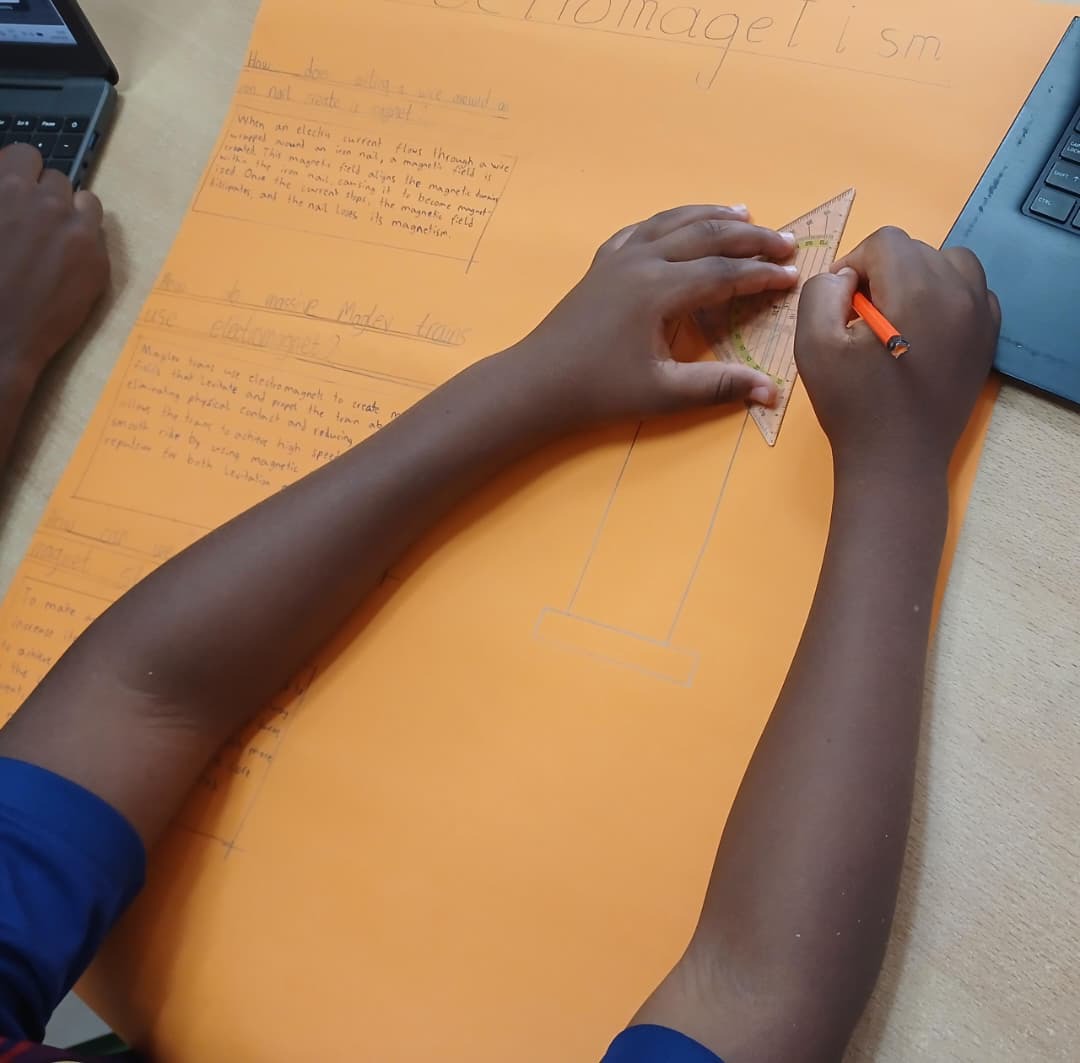
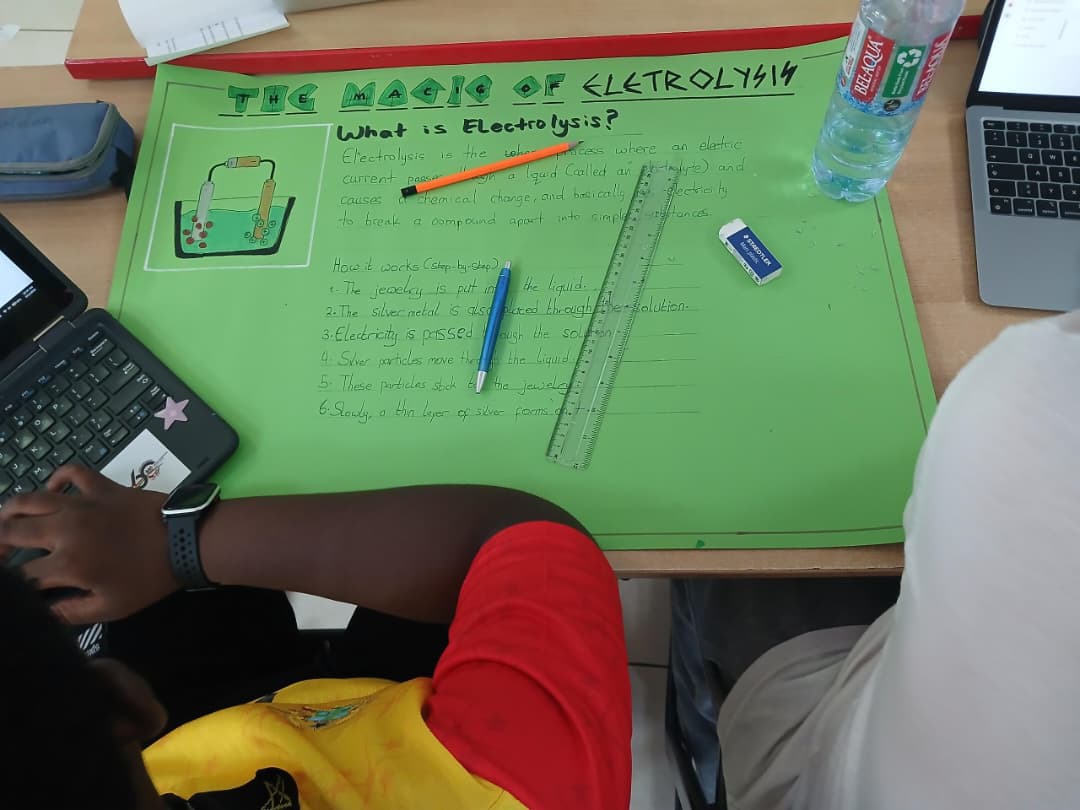
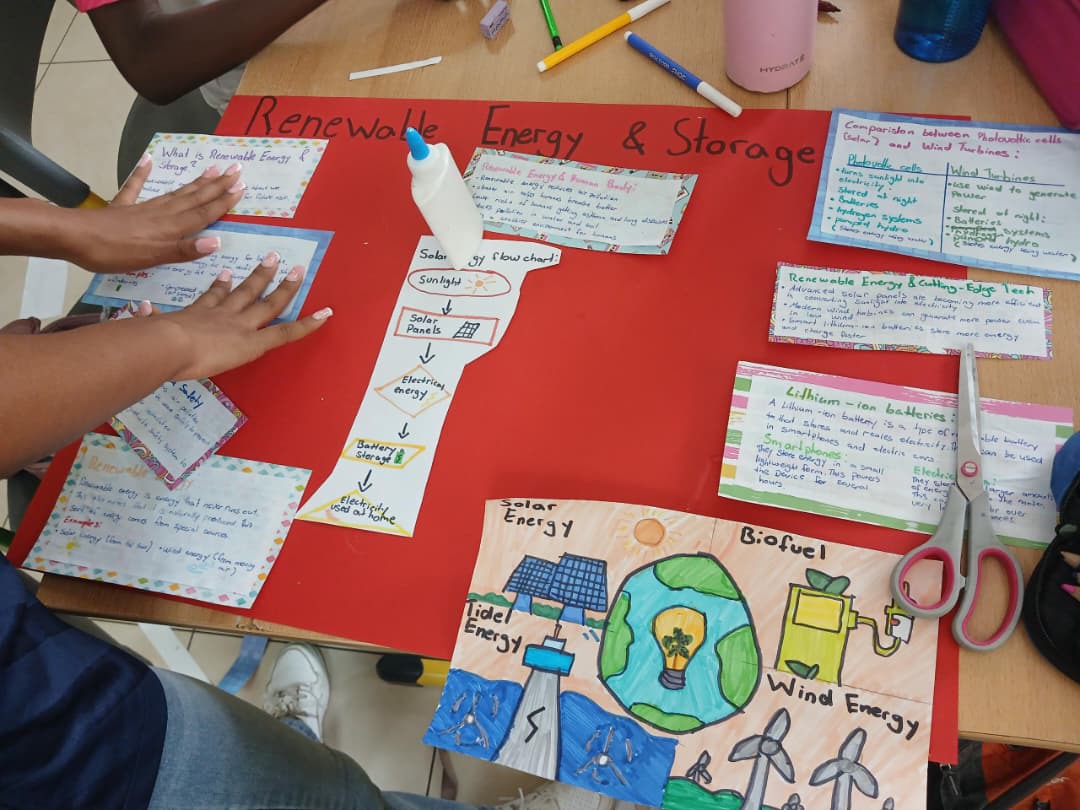
In physics, students worked in groups on poster presentations on various topics.
DaF Classes 5–8
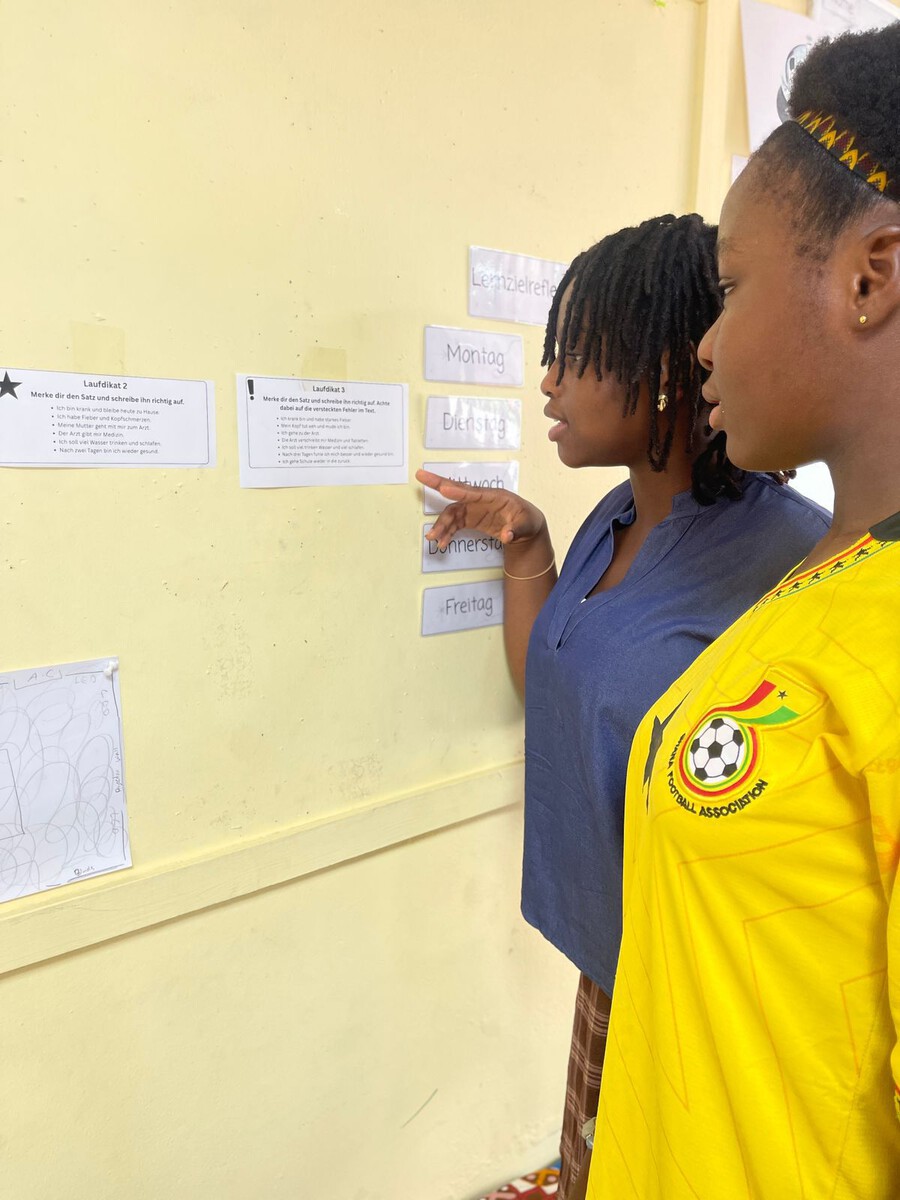
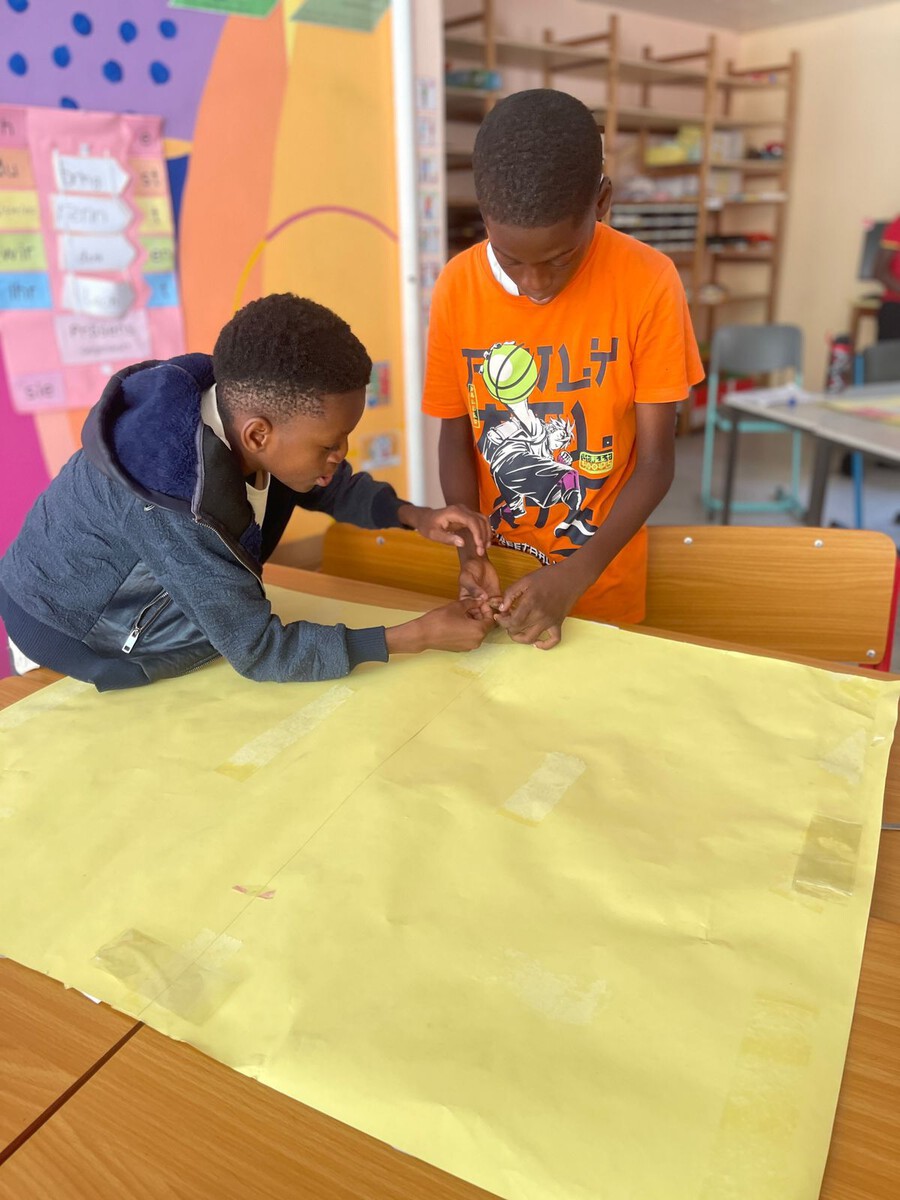
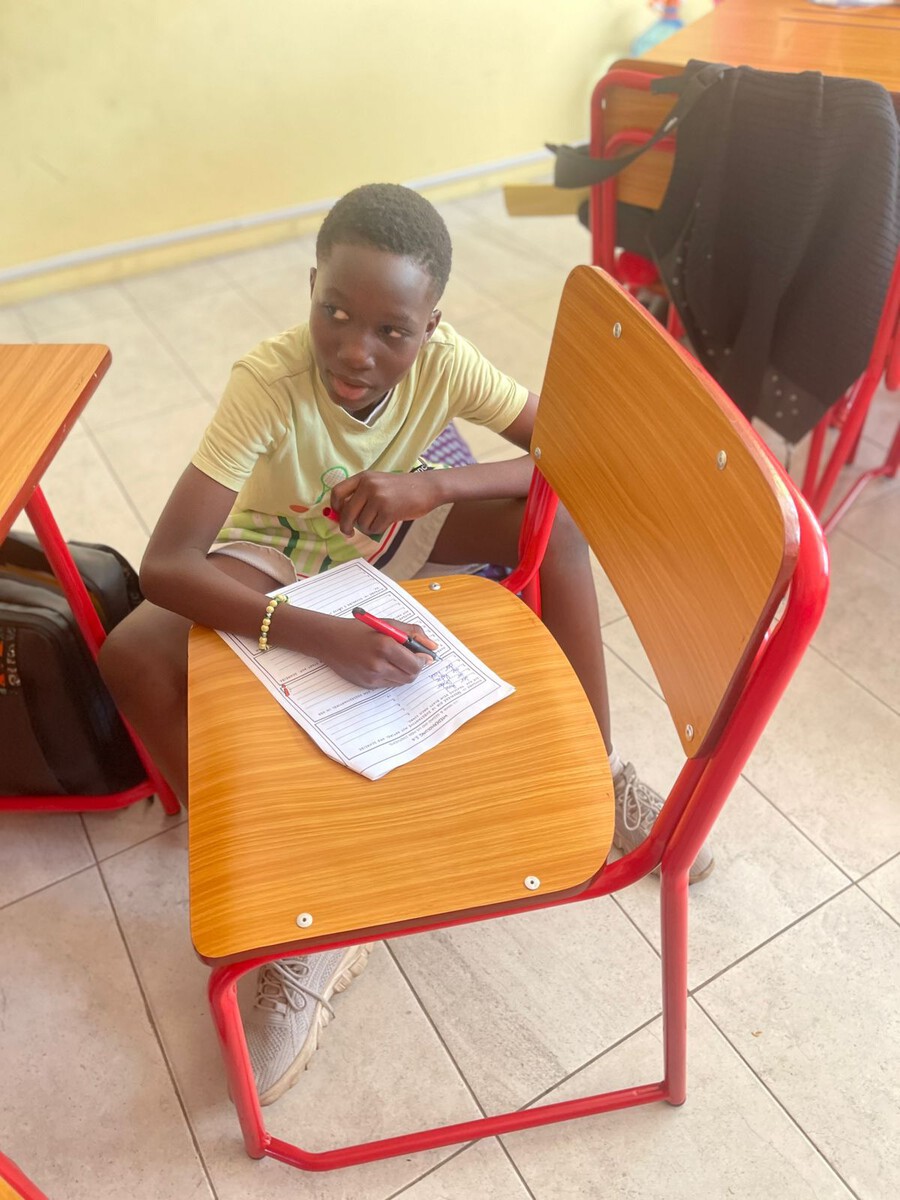
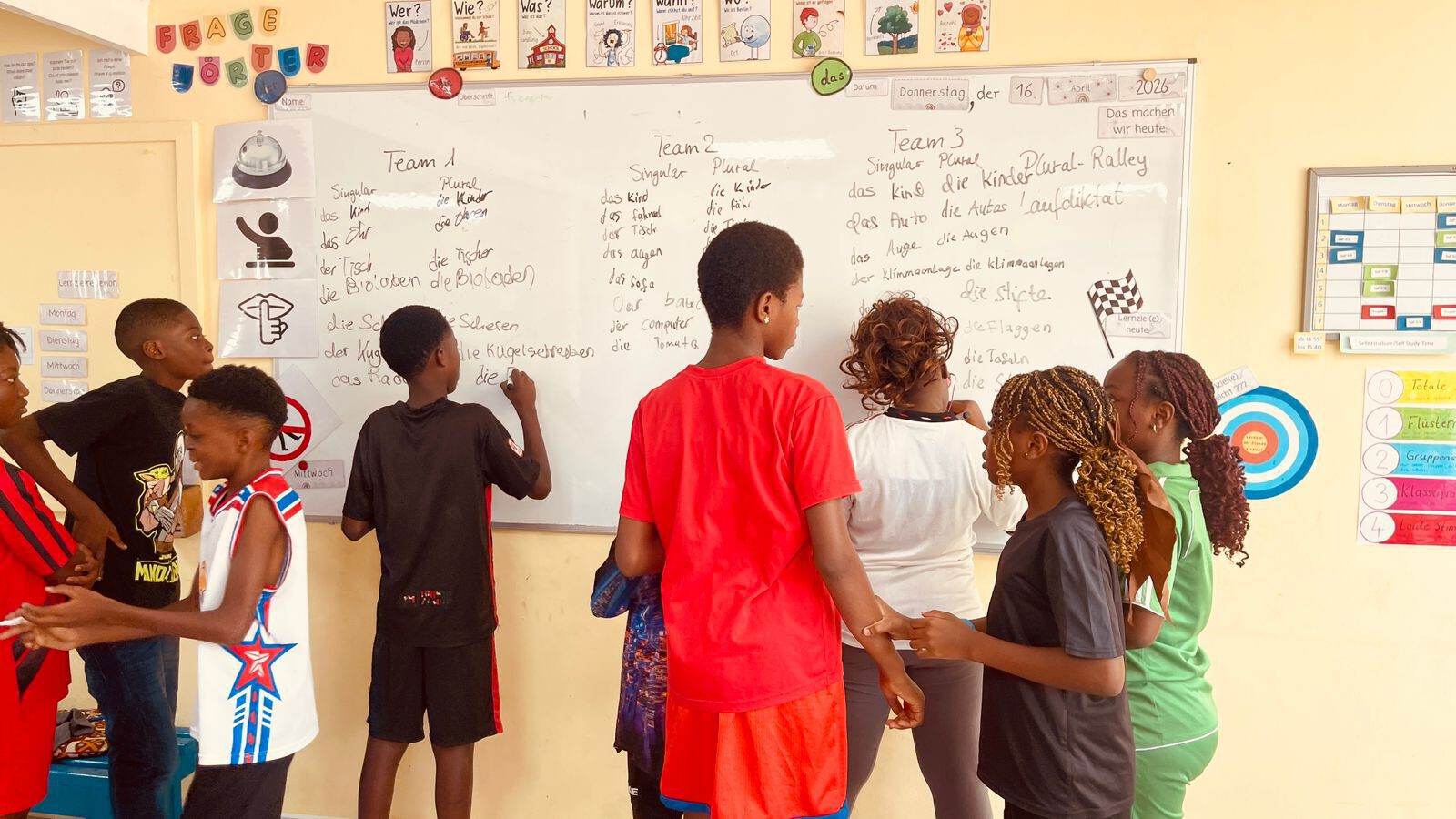
After the Easter break, students in the DaF classes (Grades 5/6 and 7/8) started an intensive revision phase with great motivation. A variety of formats – including partner work, learning stations, and a plural rally – helped prepare them effectively for the upcoming intermediate test. During this process, their language skills were both consolidated and expanded.
In the coming week, the classes will begin a new topic focusing on Germany’s most famous poets and thinkers, well-known German cities, and German car brands.
Dates & Outlook
🇳🇱 Saturday, 25 April 2026, 15:00–19:00
Koningsdag at the German International School Accra
Joint celebration with the Dutch International School
🌼 Friday, 1 May 2026
Public holiday (no school) 🏫❌
🏫 Wednesday, 7 May 2026
General Assembly of the German International School Accra
Invitation to follow
🏃♀️ Friday, 15 May 2026, 8:00
Children’s charity run 🎒
🕌 Wednesday, 27 May 2026 (tentative)
Eid al-Adha – no school 🏫❌
🎭 Thursday & Friday, 4–5 June 2026, 18:00
Encanto Anigyεc – School Musical
The German International School Accra becomes a stage
🌞 Friday, 26 June 2026
Last day of school before the summer holidays 🏫🎉
🌞 Monday, 29 June – Friday, 3 July 2026
Summer Camp & Holiday Care 🎒🏕️
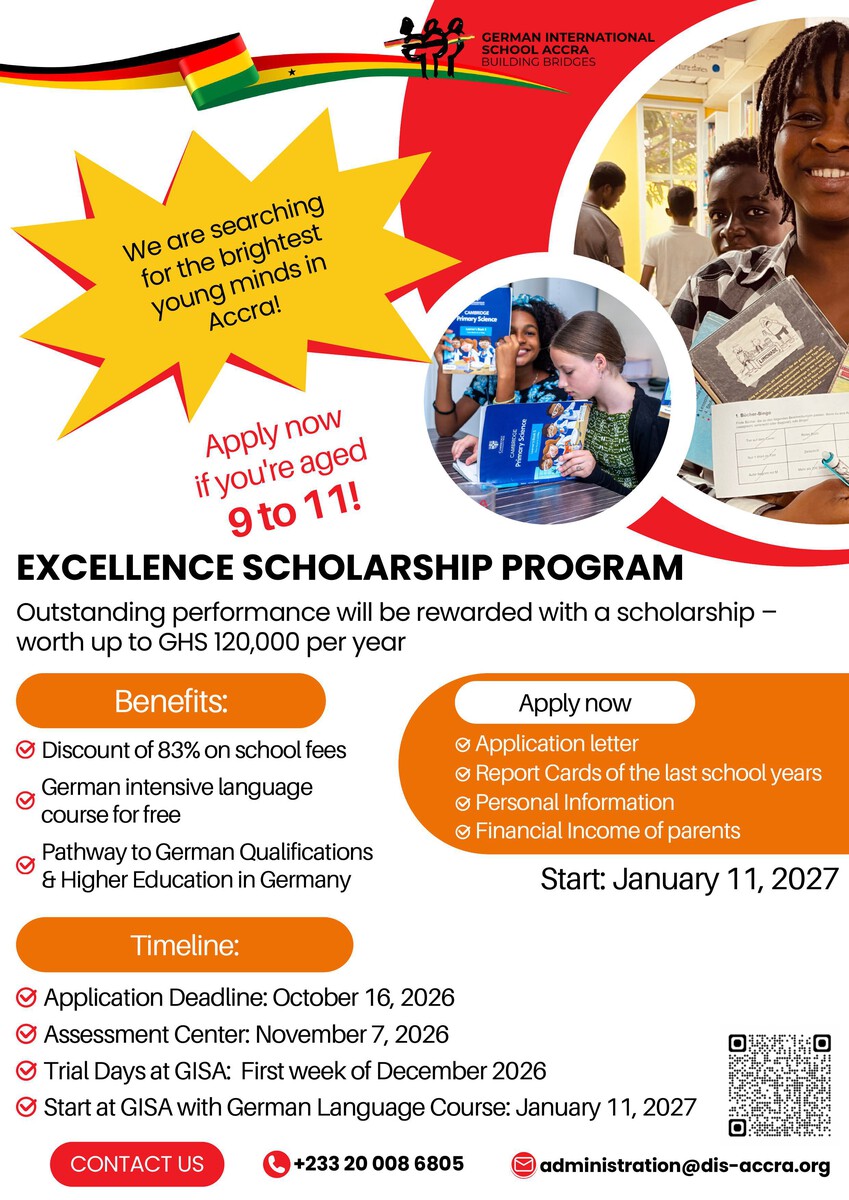
Excellence Scholarship Programme 2027
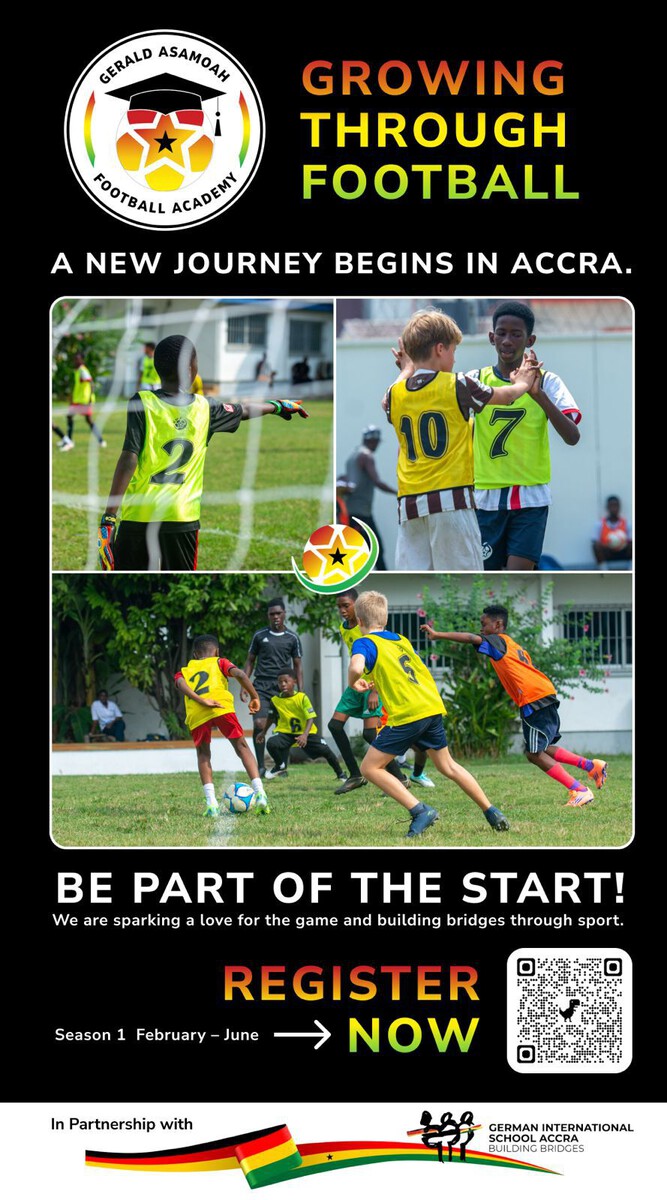
⚽Gerald Asamoah Football Academy
A Journey Around The World

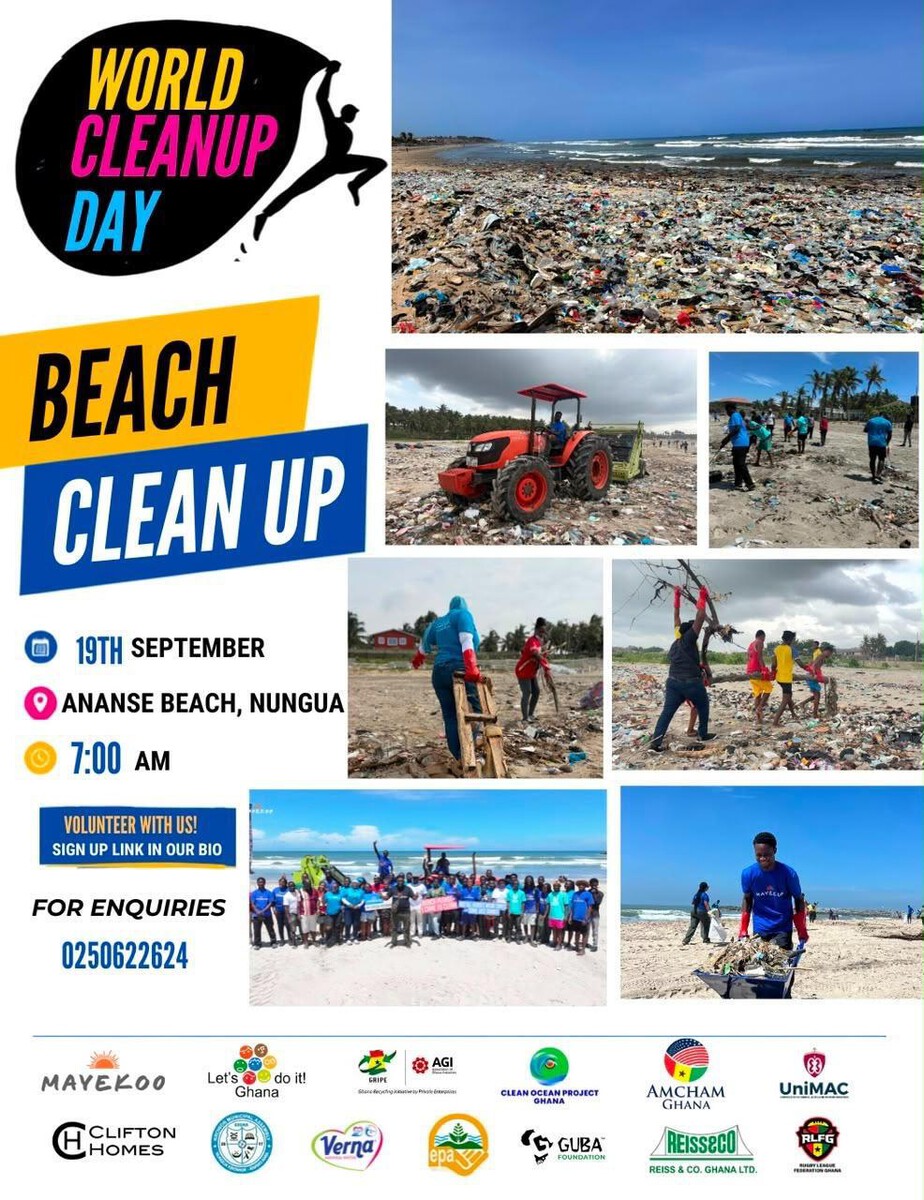
🌍Beach clean up day ♻️
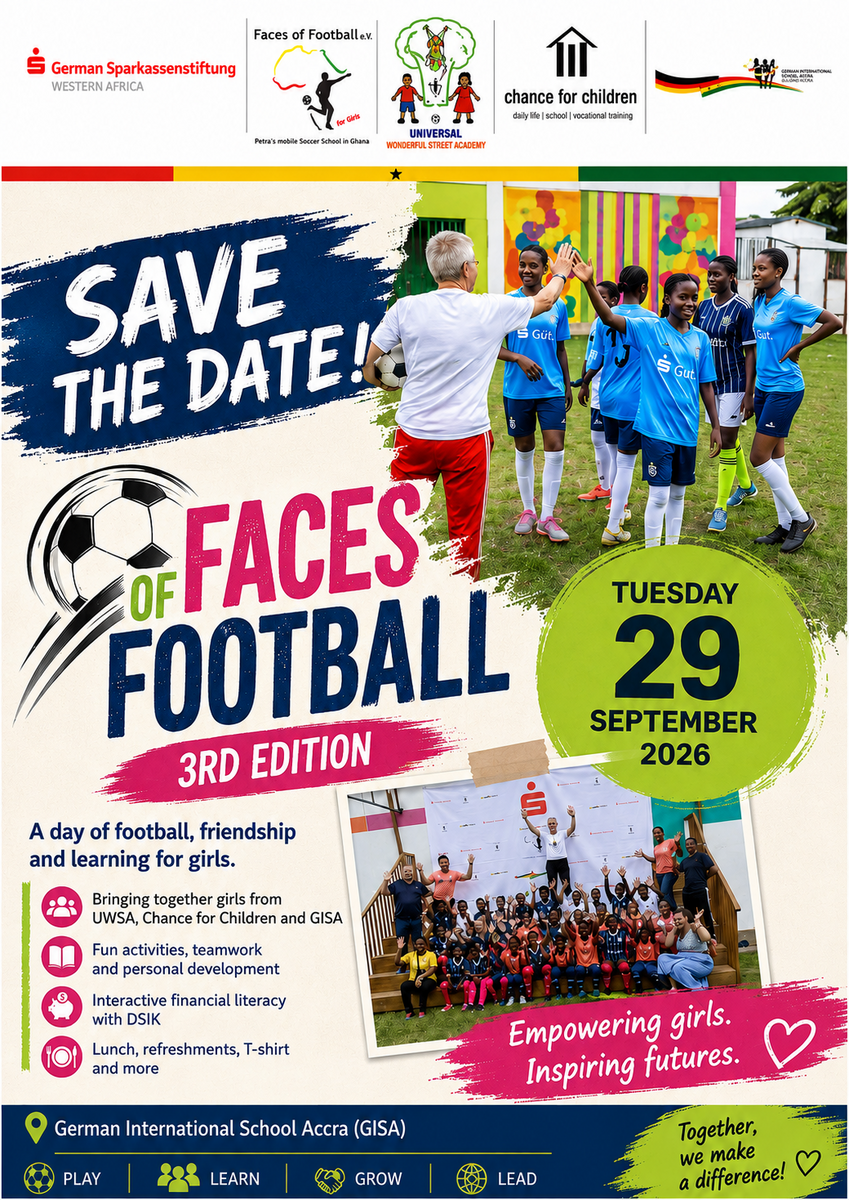
Faces of Football
🇩🇪 German Language Day

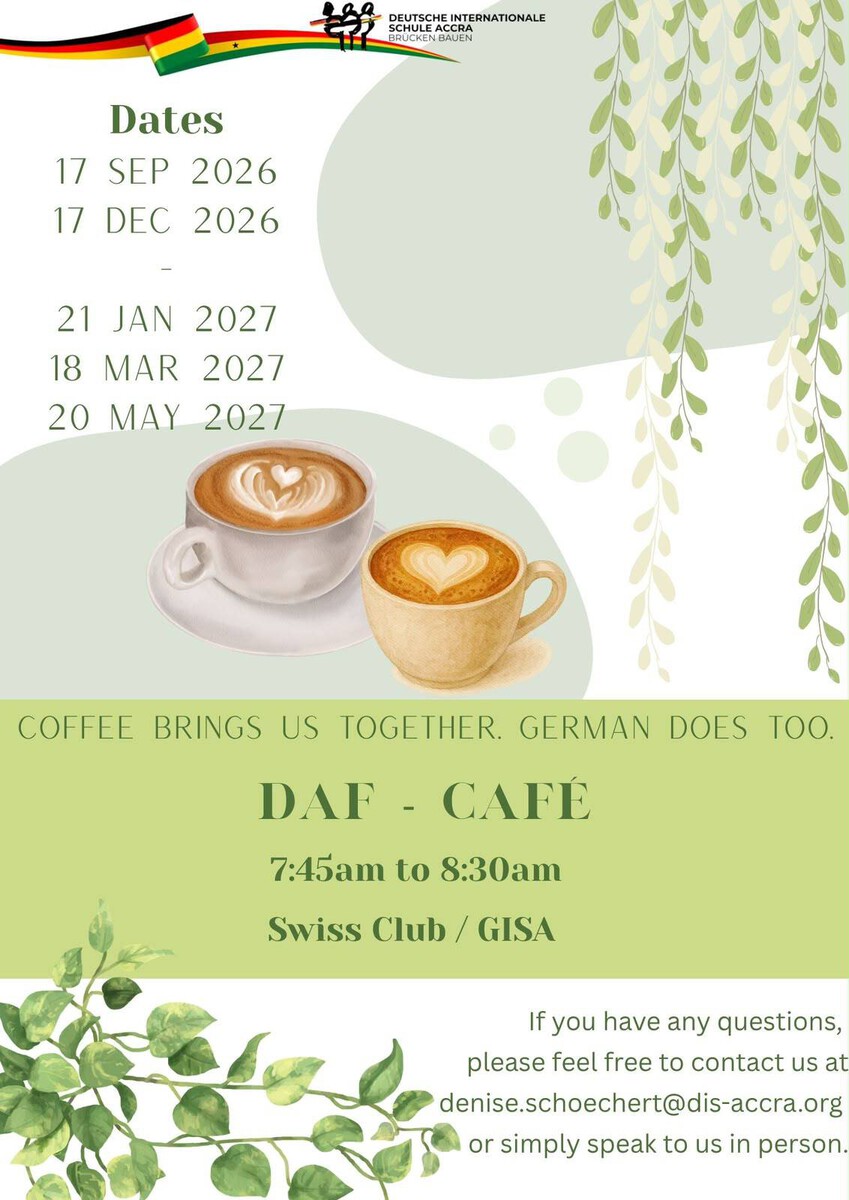
☕ DaF Café: Speaking German and Connecting Through Conversation
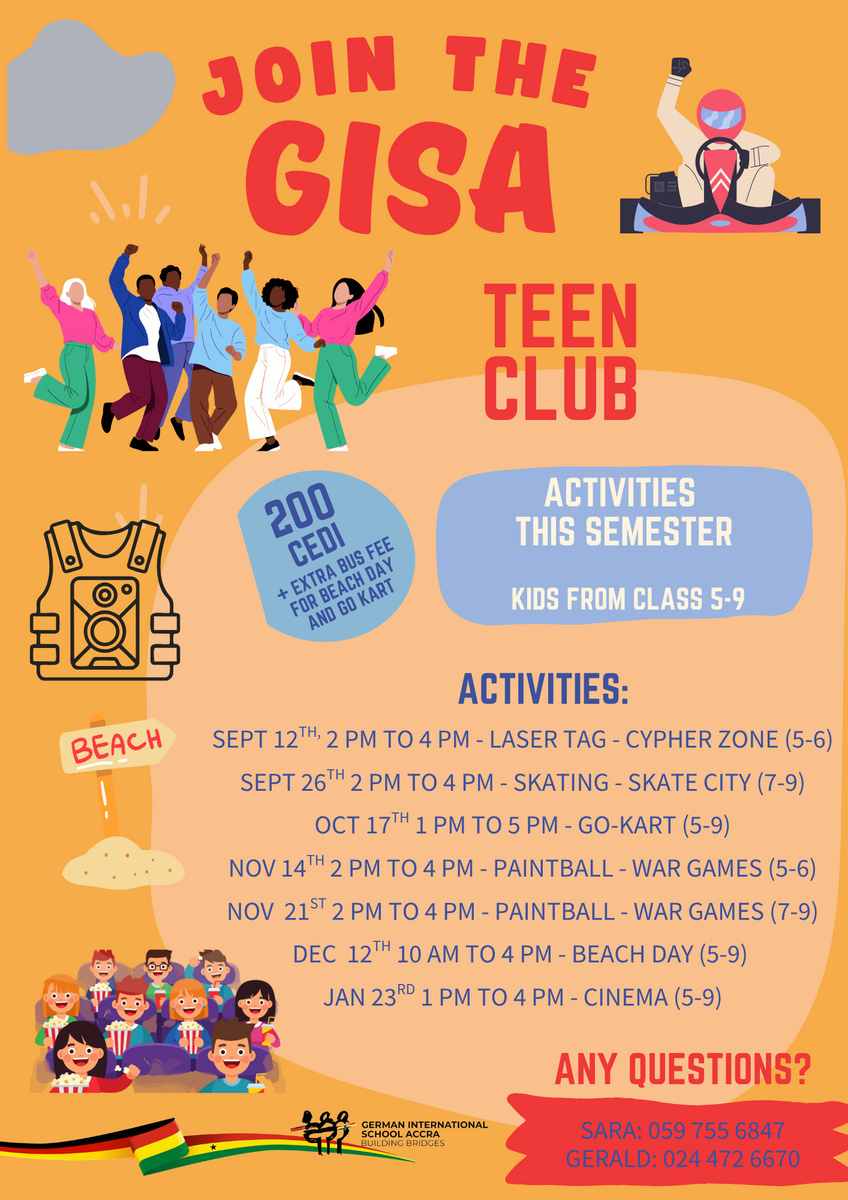
GISA Teen Club