Newsletter 30.01.2026


Our Piano Is Back in Tune
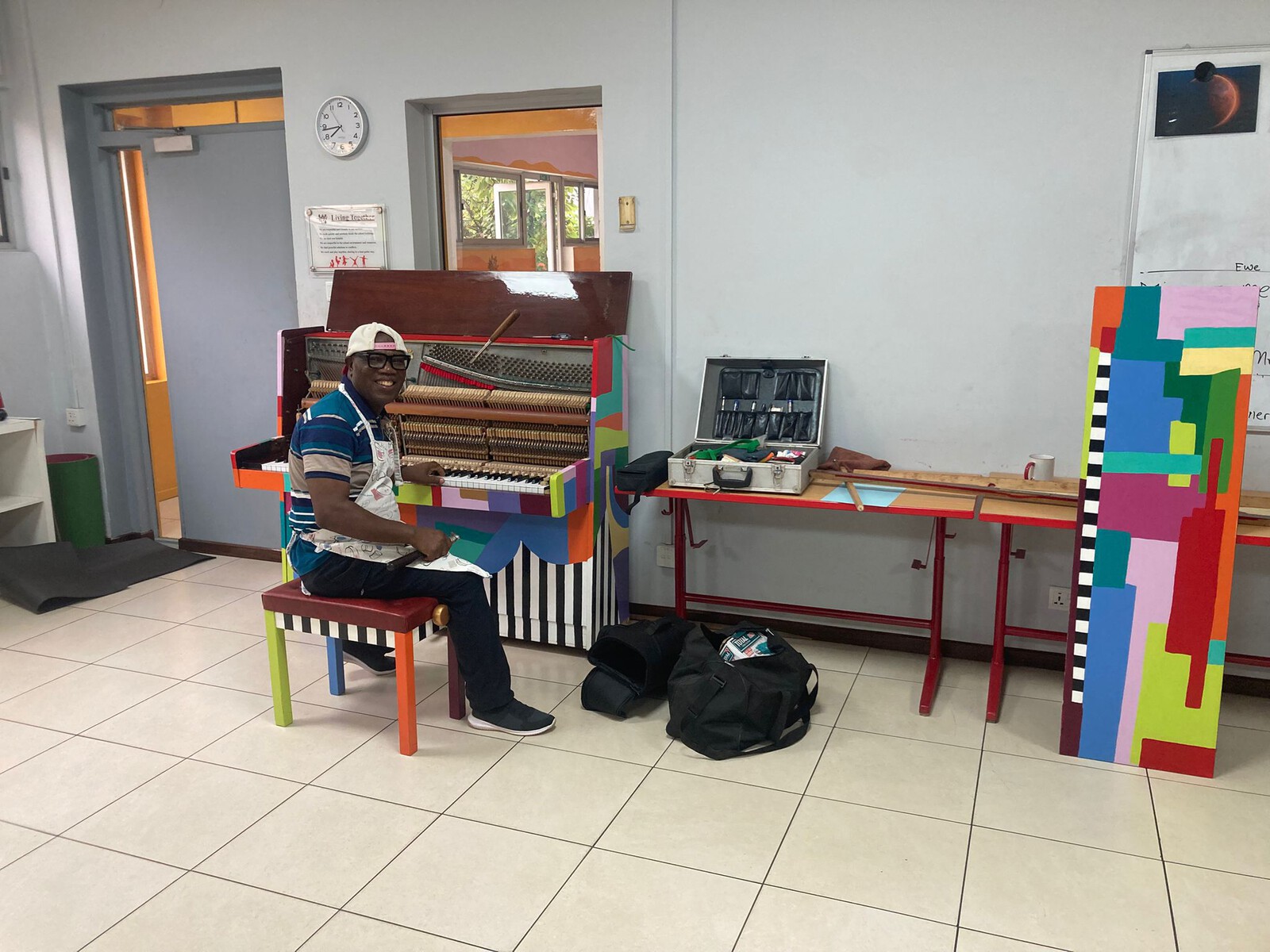 Today, piano tuner Mr. Sackey not only tuned our colourful piano (originally from Frankfurt an der Oder), but also improved its mechanics. His initial suspicion that the instrument may music teacher Jakob Platzek of Soviet-style manufacture turned out to be correct—an interesting insight into the piano’s unique history.
After many hours of careful work, the piano could already be tried out by a few students and myself in the morning. We very much hope to make its sound heard more often again on campus!
New tiptoi Books in Our School Library
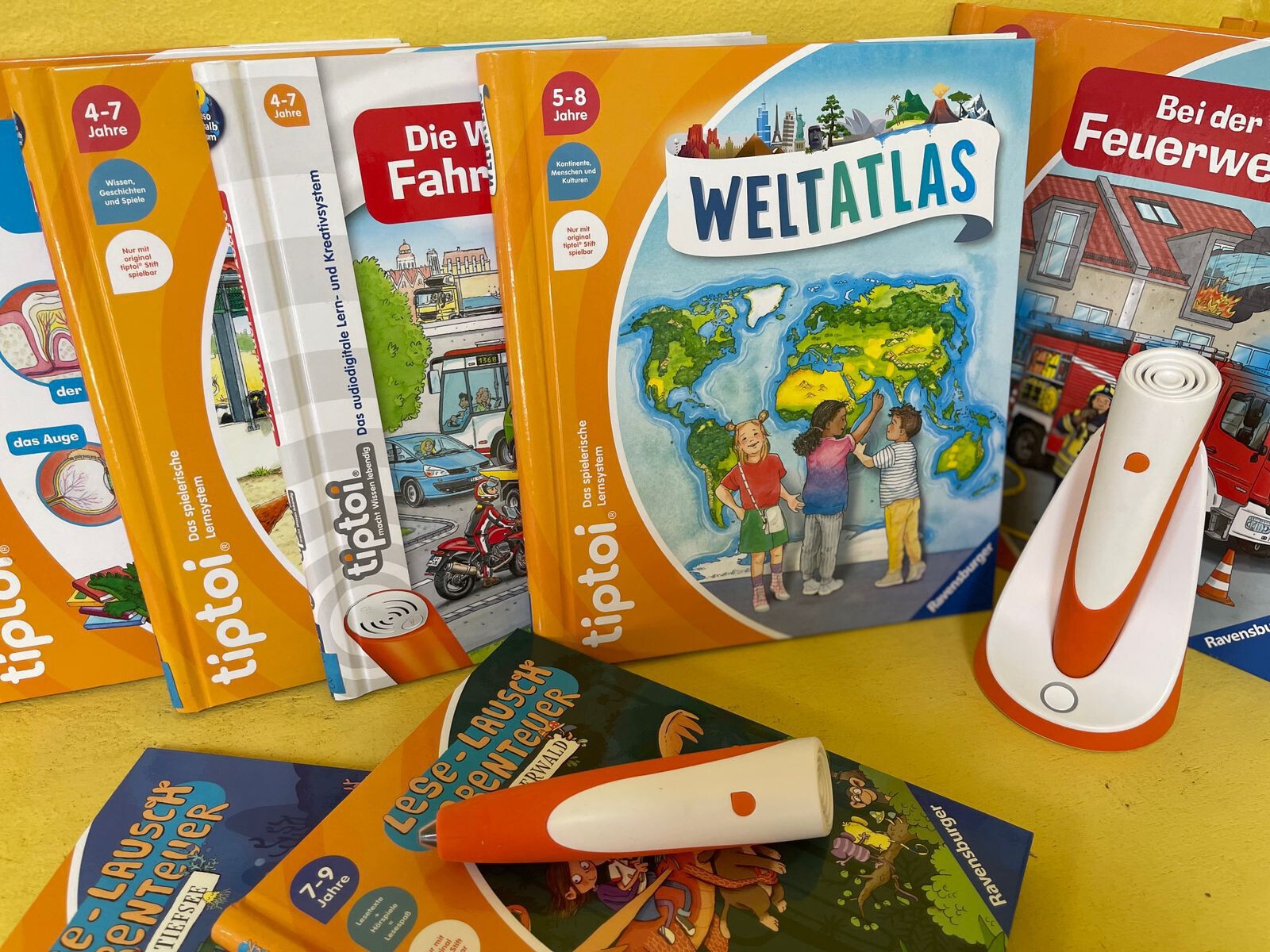 Our school library has recently been expanded with tiptoi books. They allow children not only to read texts, but also to explore content through audio and deepen their learning independently.
By combining reading, listening and discovering, the books support reading comprehension and motivation. Topics range from everyday non-fiction to exciting areas such as the fire department or space.
✅ tiptoi books and pens are now available in the library during opening hours.
📌 Borrowing to take home: books only (no pens).
School Nurse Update – Colds & Flu
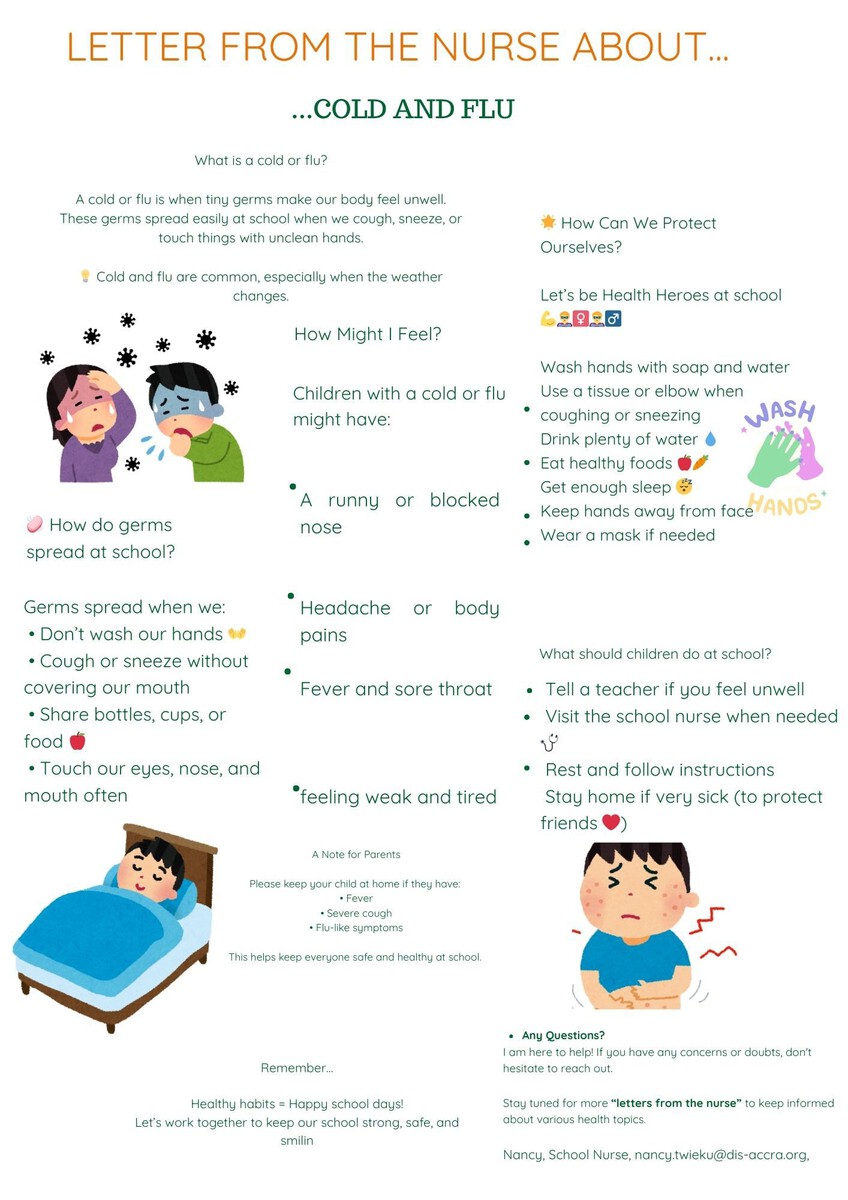 Our school nurse Nancy has prepared a short information letter about colds and flu for our school community. It includes helpful reminders about symptoms, how germs spread, and simple ways to stay healthy at school. Thank you, Nancy, for this important reminder! 🌿🧼🤧
Information Session on the Upcoming Inspection Visit
During yesterday’s digital information session, the inspection team Andrea Schramm and Claudia Häberlein introduced themselves to our school community and outlined the goals and schedule of next week’s inspection visit.
Link: ZfA Orientation Framework
Save the date: Friday, 6 February 2026 | 3:30–4:30 pm (online)
Feedback to the school community – access details will be sent via email.
Support Association Helps Improve Sports Equipment
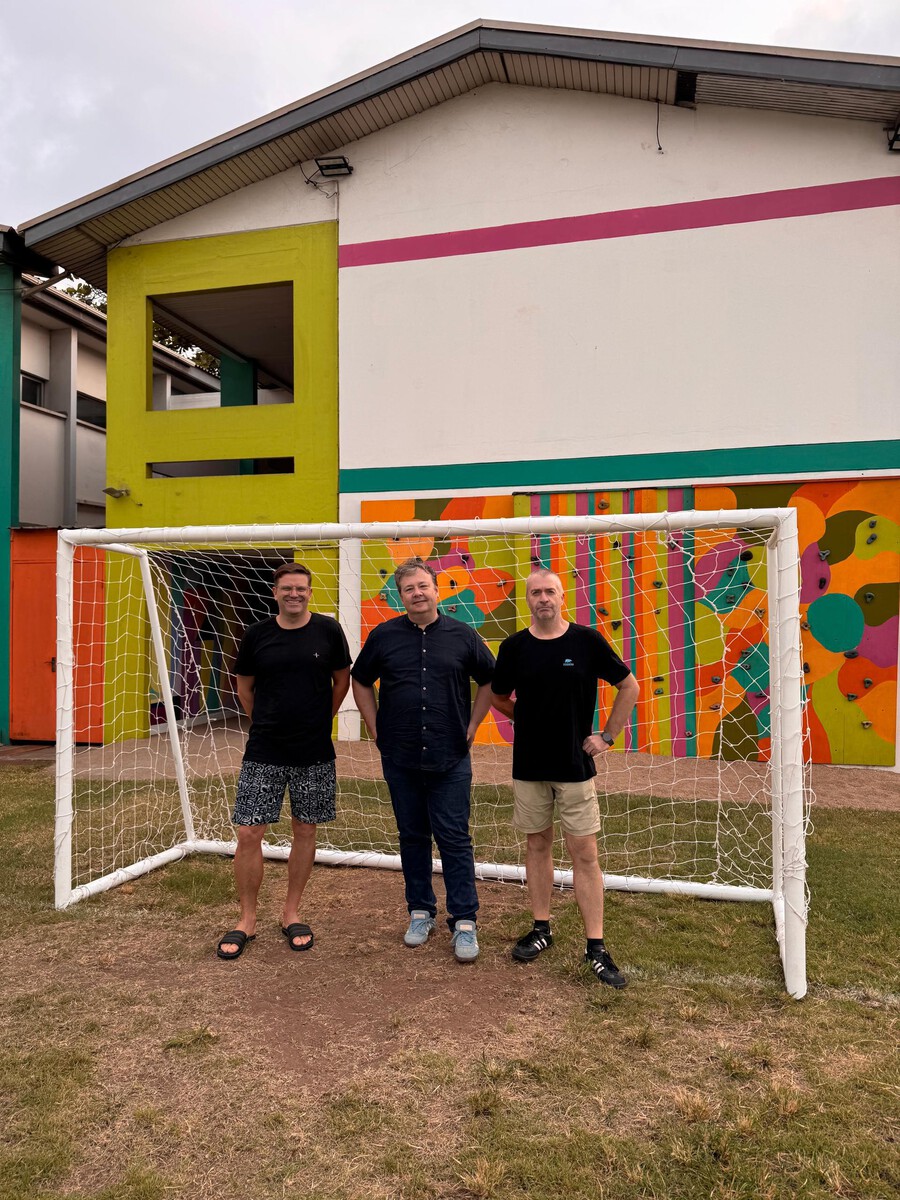 Thanks to our school’s support association, we were able to purchase new football goals. A big thank you for this valuable support! The coaching team led by Coach David Detzler and Head of School Rainer Kropp-Kurta truly appreciate it.
A Special Thank You to Coach David
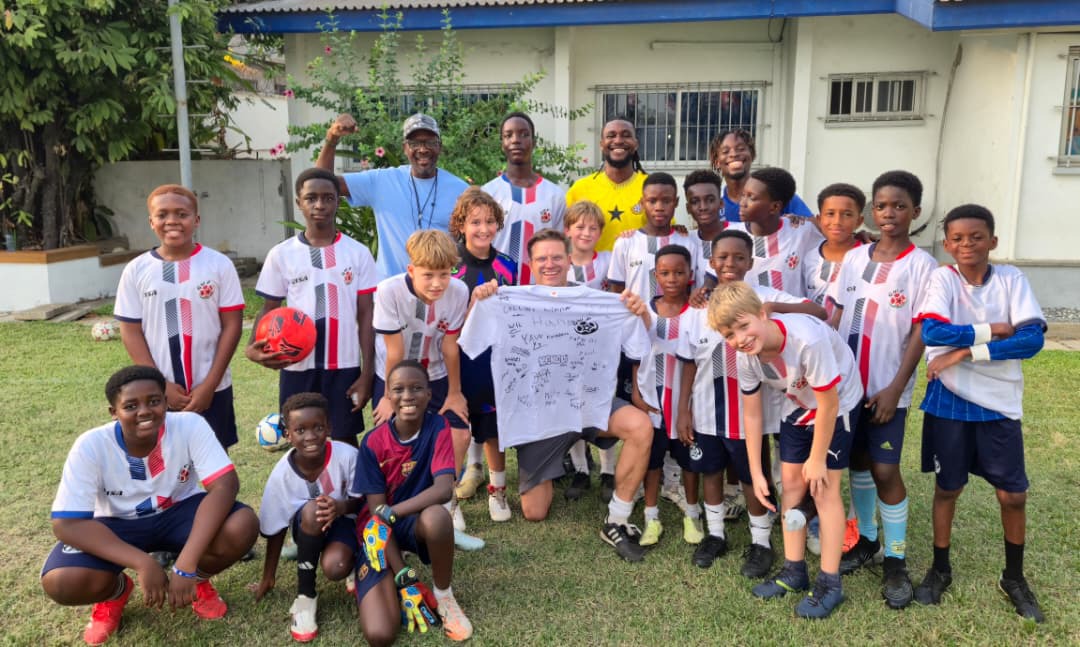 A special highlight: football players from Grades 3/4, 5/6 and 7/8 presented Coach David with a farewell gift, together with a heartfelt thank you for the fantastic training throughout the first semester of the 2025/26 school year.
Looking Back: The 1st Gerald Asamoah Cup
On Saturday, 24 January 2026, our campus hosted the very first Gerald Asamoah Cup—a day full of energy, emotions, team spirit and joyful encounters. Children aged 9 to 12 had the opportunity to show their talent and recommend themselves for the new Gerald Asamoah Academy, with the additional chance to be considered for a school scholarship at GISA.
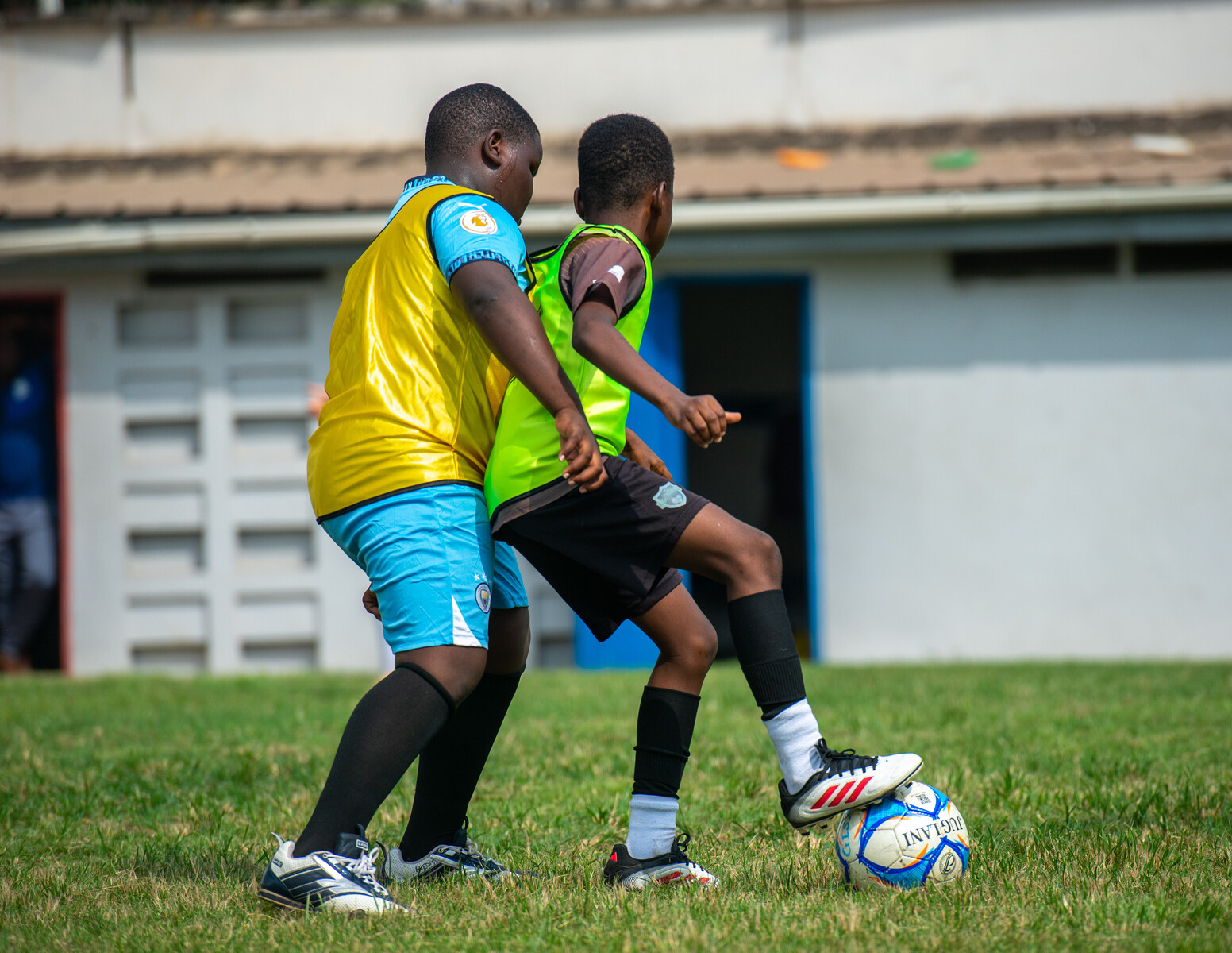 A very special moment was Gerald Asamoah’s video message from Germany. The coaching team led by Head Coach David Detzler identified many promising young talents. After the next selection round, four children (two girls and two boys) will be considered for a scholarship at GISA. Thank you to everyone involved—we are already looking forward to the next steps! ⚽👏
Updated Extracurricular Programme – Try-Out Week
Our extracurricular programme has been updated with exciting new activities, while keeping our well-loved favourites.
Next week begins with a Try-Out Week, giving children the chance to explore different activities and discover what they enjoy most.

📄 Registration forms will be handed out on Monday (separate forms for kindergarten children and school students).
If you have any questions, please feel free to contact us or speak to Sara Debackere.
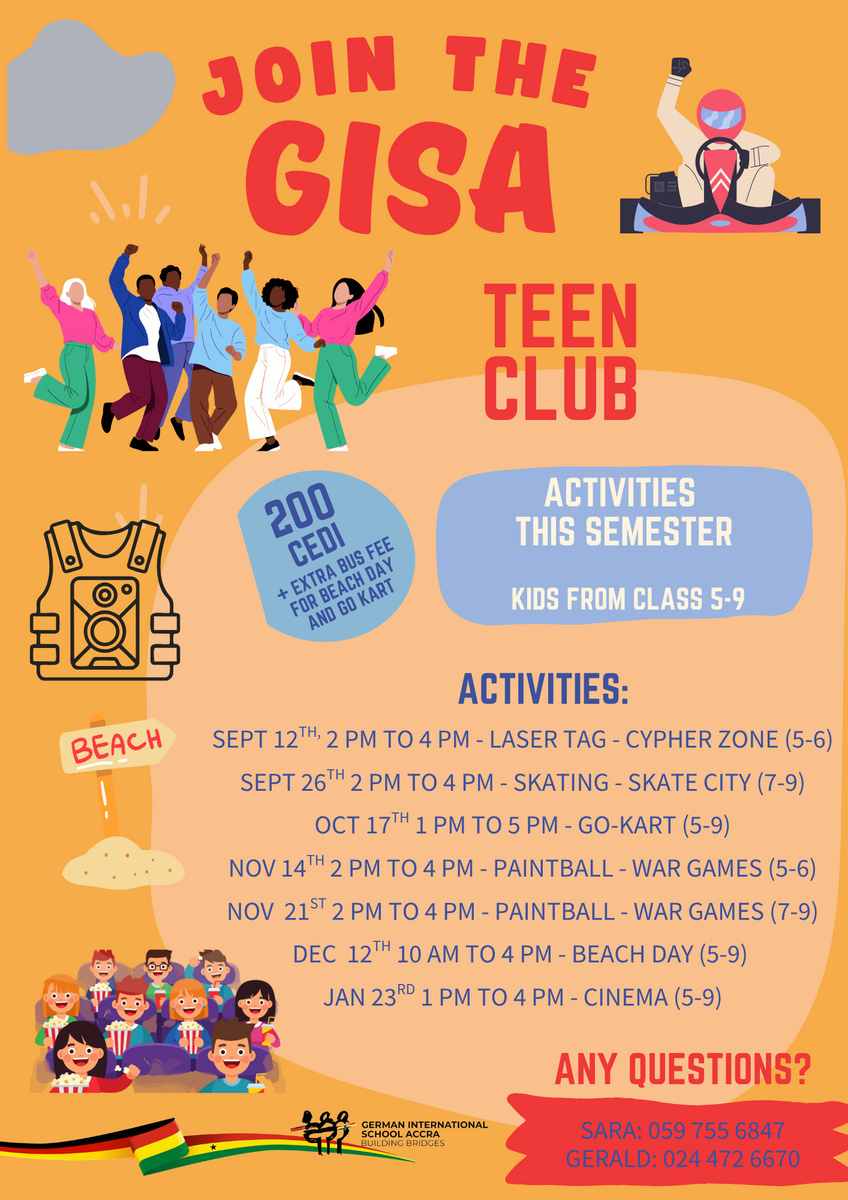
GISA Teen Club
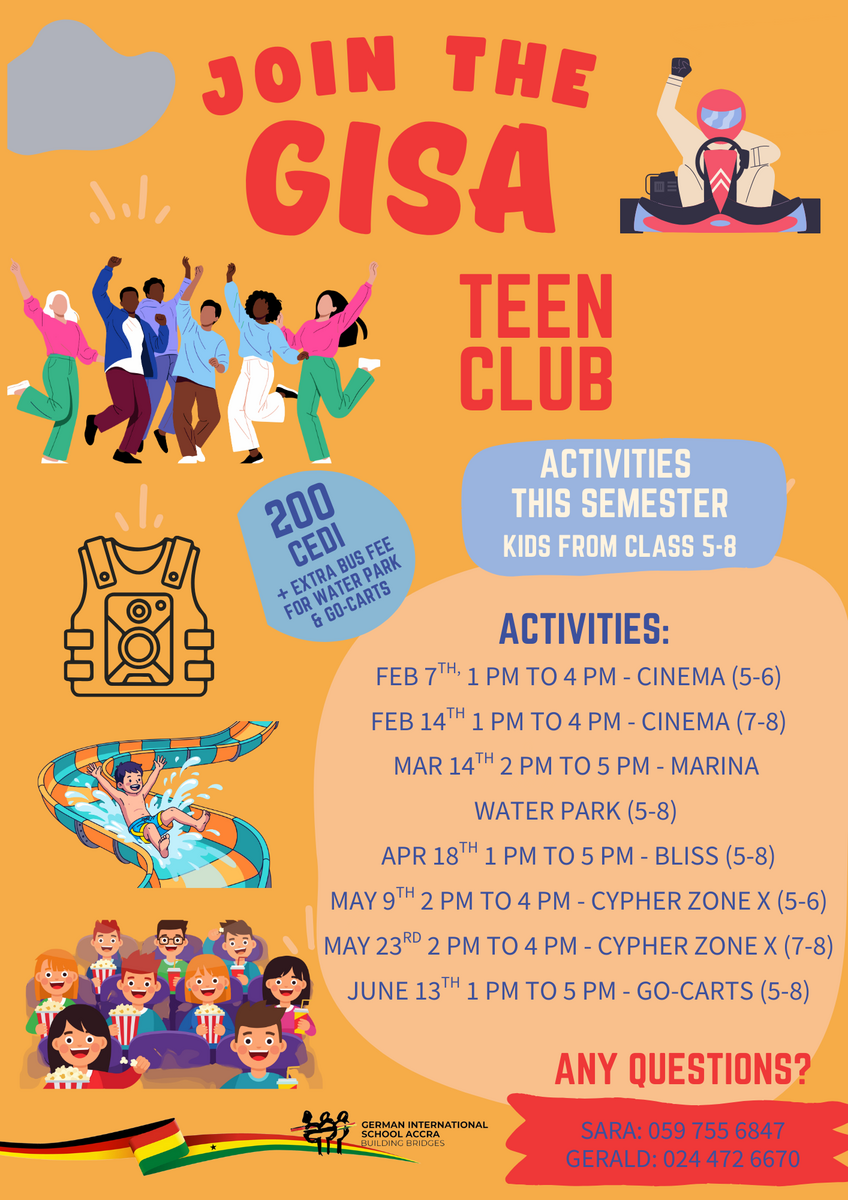 The GISA Teen Club is back for students in Grades 5–8!
Expect fun afternoons, outings and shared experiences—such as cinema trips, go-karting, water park adventures or gaming zones. The Teen Club takes place on selected Saturdays, with an exciting programme planned for this semester.
If you have any questions, please feel free to contact us or speak to Sara Debackere.
New Offer: Dutch Playgroup (Ages 0–4)
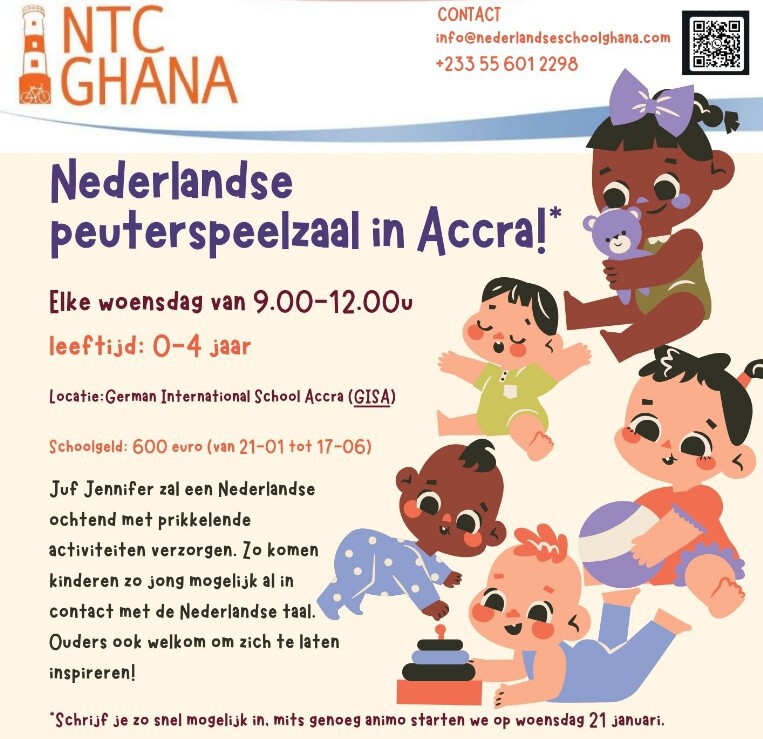 We are happy to announce a new collaboration with the Dutch School (NTC Ghana).
Starting next week, they will offer a Dutch Playgroup for young children aged 0–4:
🗓️ Every Wednesday | 9:00 am–12:00 pm
📍 Aftercare Room at GISA
Parents are welcome to join and get inspired.
Contact:
Activity of the Week: Arts & Crafts in Kindergarten
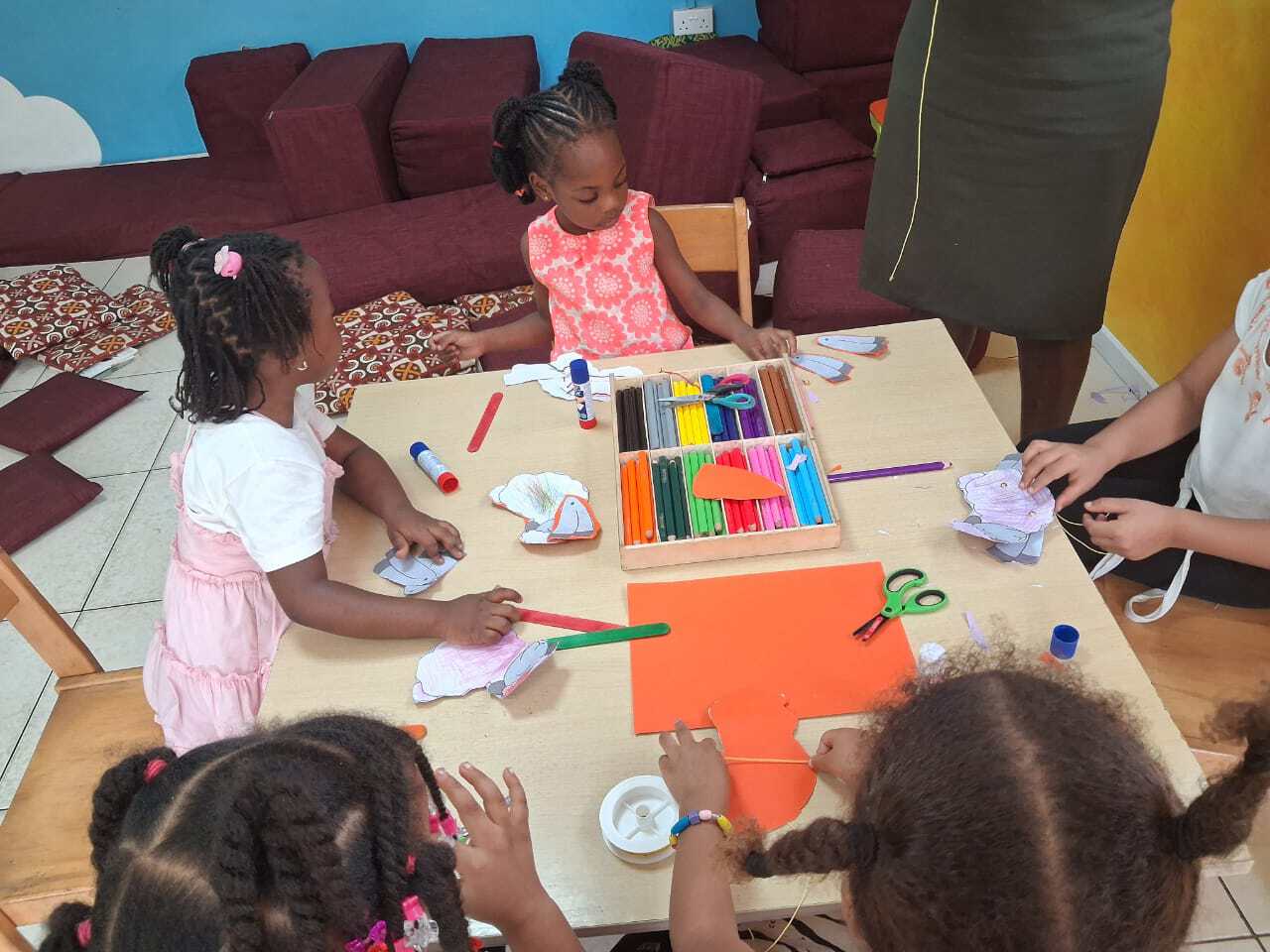 In our kindergarten Arts & Crafts activity, everything is about creativity, experimenting and having fun! Each week, children work with different materials and explore a variety of techniques to create their own artwork. In a playful way, this supports fine motor skills, imagination and confidence.
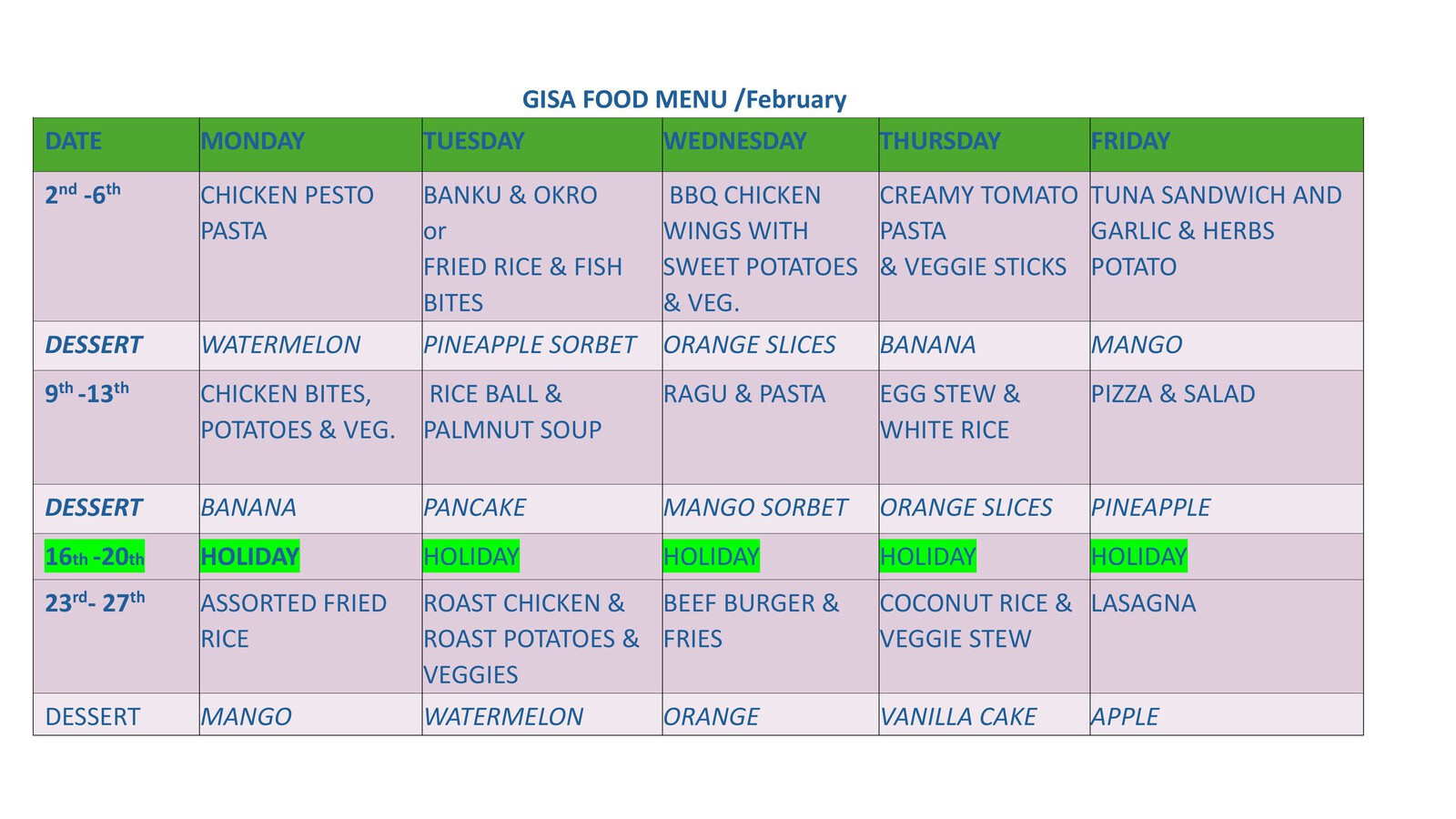
Menu – February
GISA Cup Kids
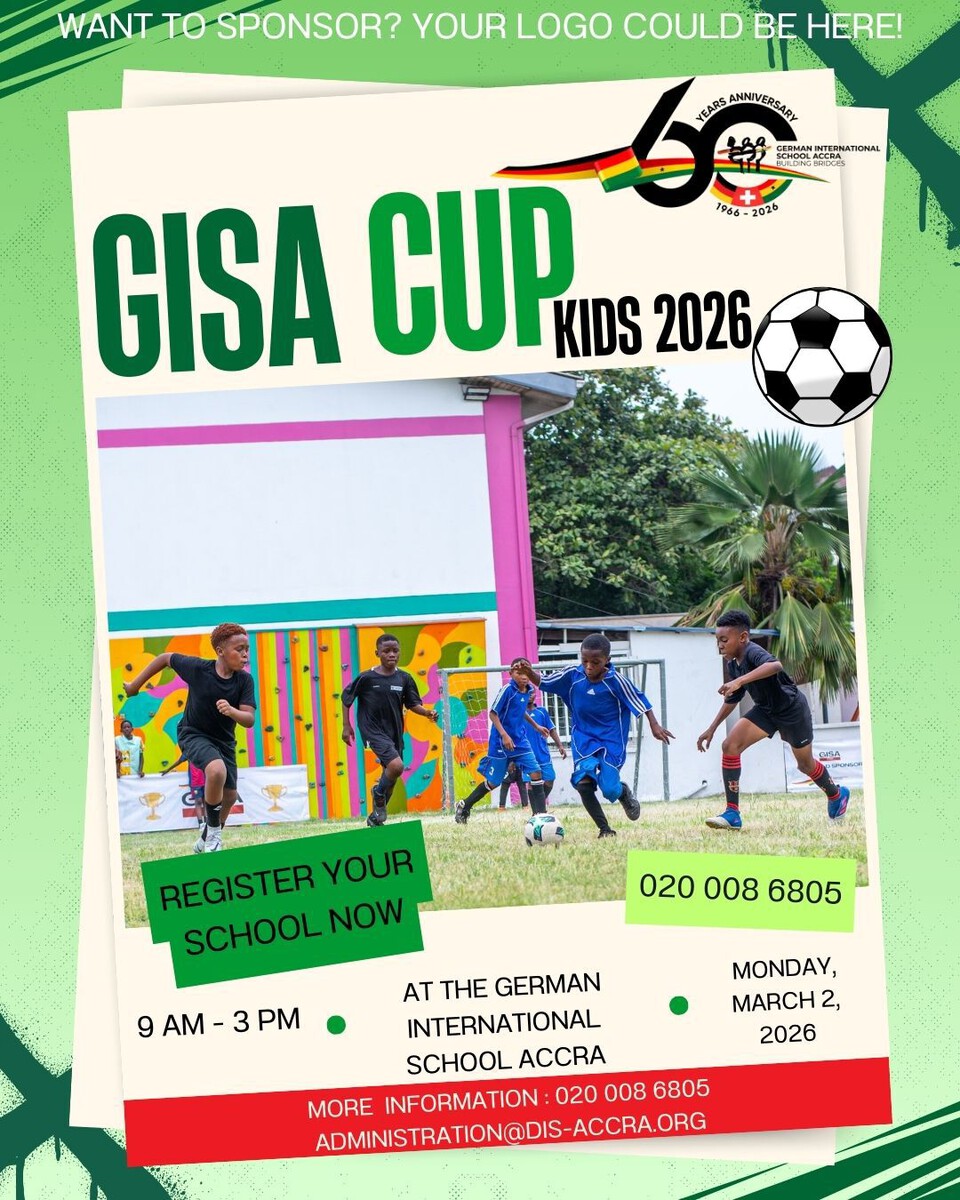
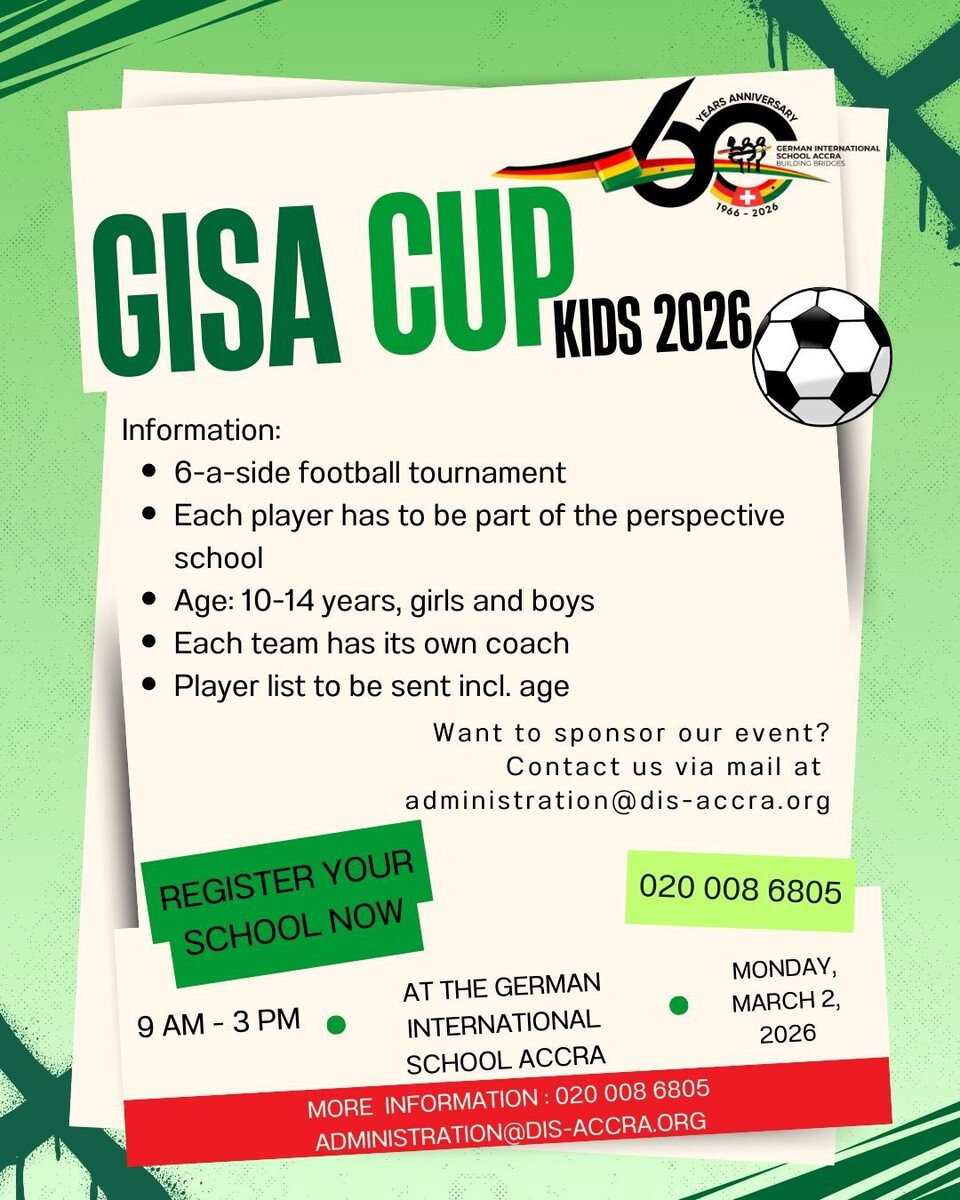 🗓️ Monday, 2 March 2026 | 9:00 am–3:00 pm
The GISA Cup Kids brings together girls and boys aged 10–14 from different schools. The focus is on football, team spirit, fairness—and of course the joy of playing and meeting others.
📩 Participation & registration:
We are looking forward to exciting matches! ⚽
Nursery and Kindergarten
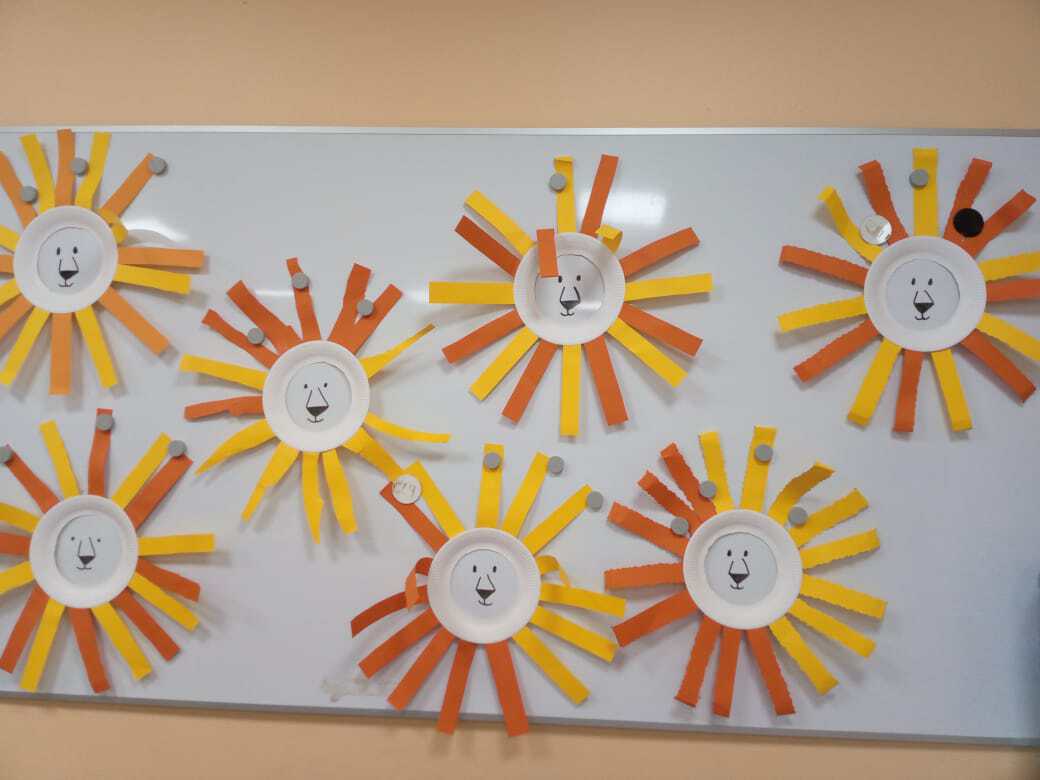 This week, the children in the nursery had lots of fun making lion masks, developing their creativity and fine motor skills. A lovingly prepared farewell gift for our intern also gave space for emotions and appreciation. The transition of one child into kindergarten was celebrated together and supported in an age-appropriate way. Circle games strengthened the sense of community, and during our shared cake time, social interaction was at the heart of the activity.
The topic of (under)water was continued this week 🌊🐬. During morning circle, the children expanded their knowledge about which animals live in the water, what they eat, and why caring for our environment is important 🐢♻️. The topic of water pollution was also introduced in an age-appropriate way and discussed together.
During learning time, the children further developed their creative and sensory skills. While creating rainbow fish and playing a sound memory game, both fine motor skills and auditory perception were supported 🎨🎶🐟.
The English Club also took place 🇬🇧😊. The focus was on the letter “S” and on counting objects. In a playful way, the children expanded their vocabulary related to water and the sea, while also strengthening early mathematical and language skills 🌊🐠✨.
A special highlight was Water Day on Friday 💦😄. Through free exploration and shared play, the children experienced the element of water with all their senses, while developing their curiosity and social interaction 🌈.
Primary School
Grades 1/2
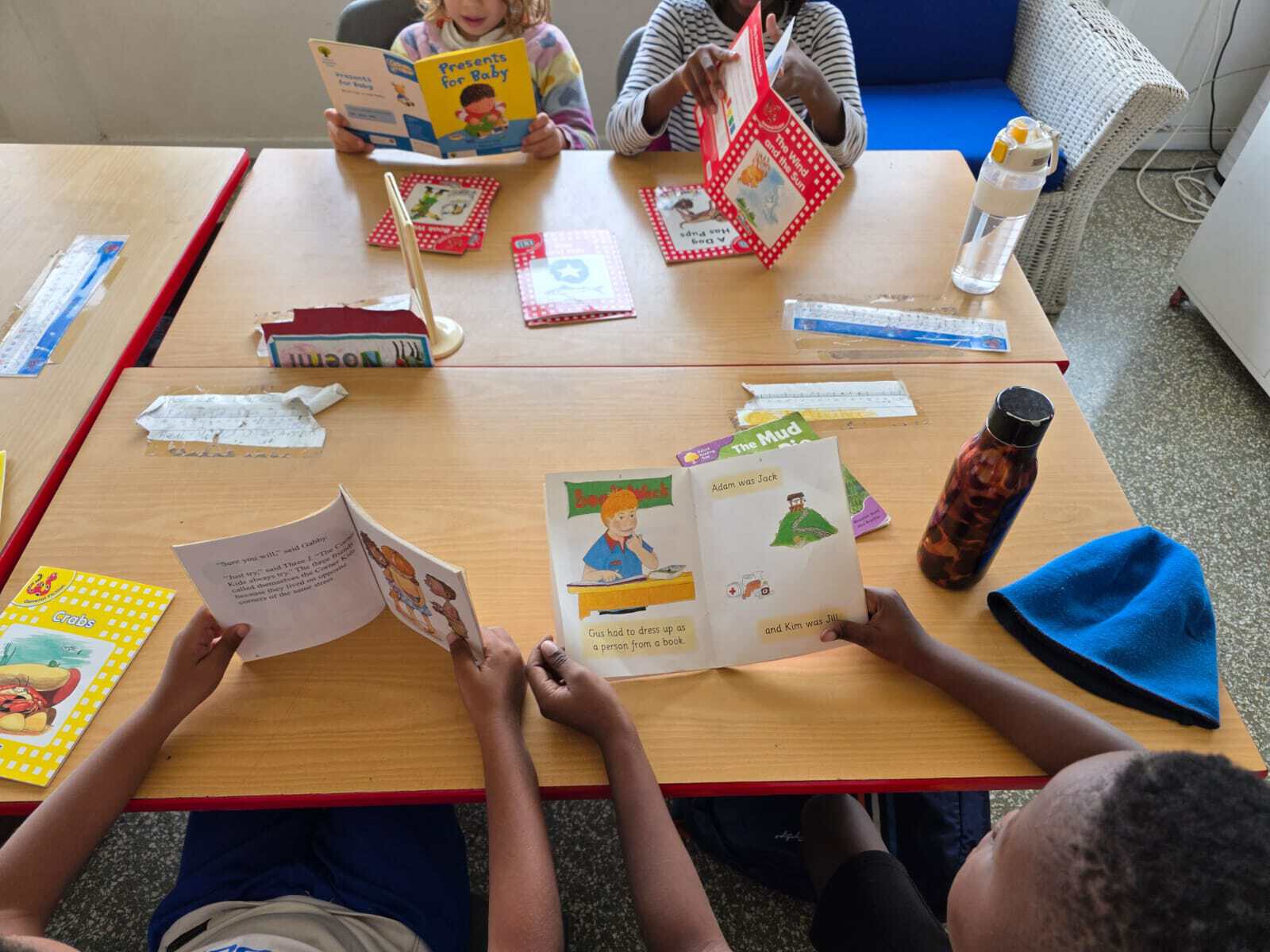
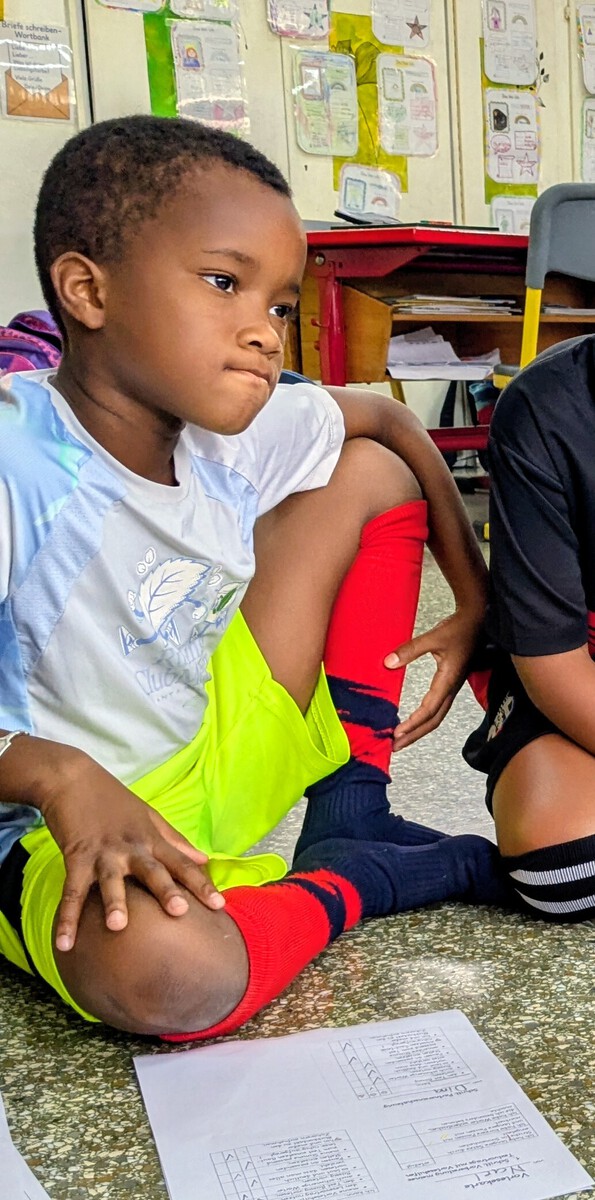 In German class in Grades 1/2, everything focused on expressive read-aloud skills. Using new reading cards, the children marked places for pauses and words they wanted to emphasise. Afterwards, they read their texts to a partner and received appreciative feedback on their reading performance.
In English, the students worked in groups: the advanced group practised forming new words by adding “-ing” to verbs, while the beginner group expanded their vocabulary on the topic “house”. Together, we explored the story “The Ugly Duckling”. Please encourage your child to retell the story at home. The week ended calmly with a library lesson, adapted to different reading levels.
In Science, our journey through the human body is in full swing. After learning about the main parts of the nose, the children sniffed, compared and sorted different smells: Which scents are pleasant and which are not? With a clear and engaging worksheet, they learned how the nose protects us and helps us perceive our environment more consciously. Next, we will shift our focus to the ear and explore how we take in sounds from our surroundings.
At the end of the week, each child received a small gift—lovingly handmade by a group of especially thoughtful and kind children from the class—perfectly timed for report card day.
Grades 3/4
In Maths, Grades 3/4 continued working intensively on the topic of lengths. The children measured both very small objects, such as paper clips, and large areas like the school yard. At a learning station, they measured lengths in millimetres and centimetres, converted them and compared their results. They also created their own domino game, which helped them practise and consolidate what they had learned while playing.
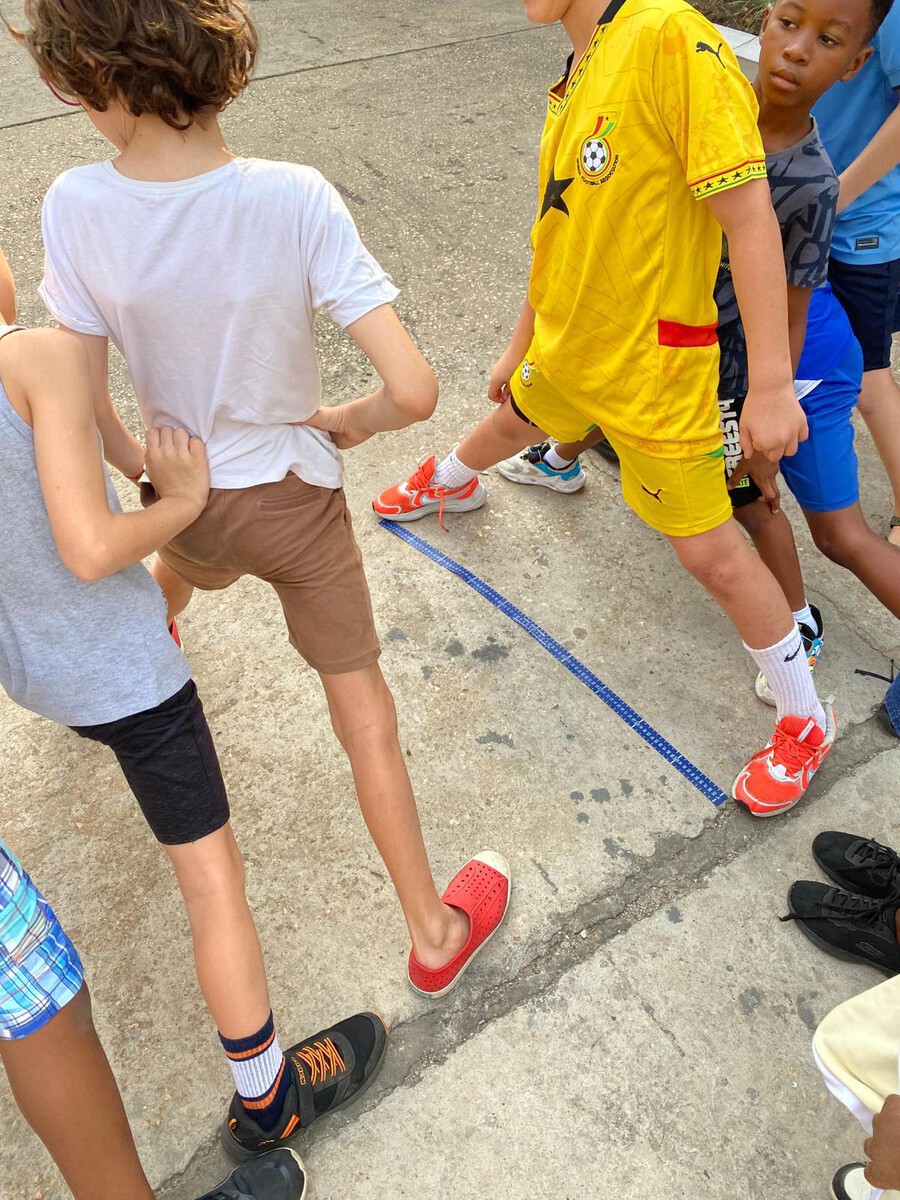
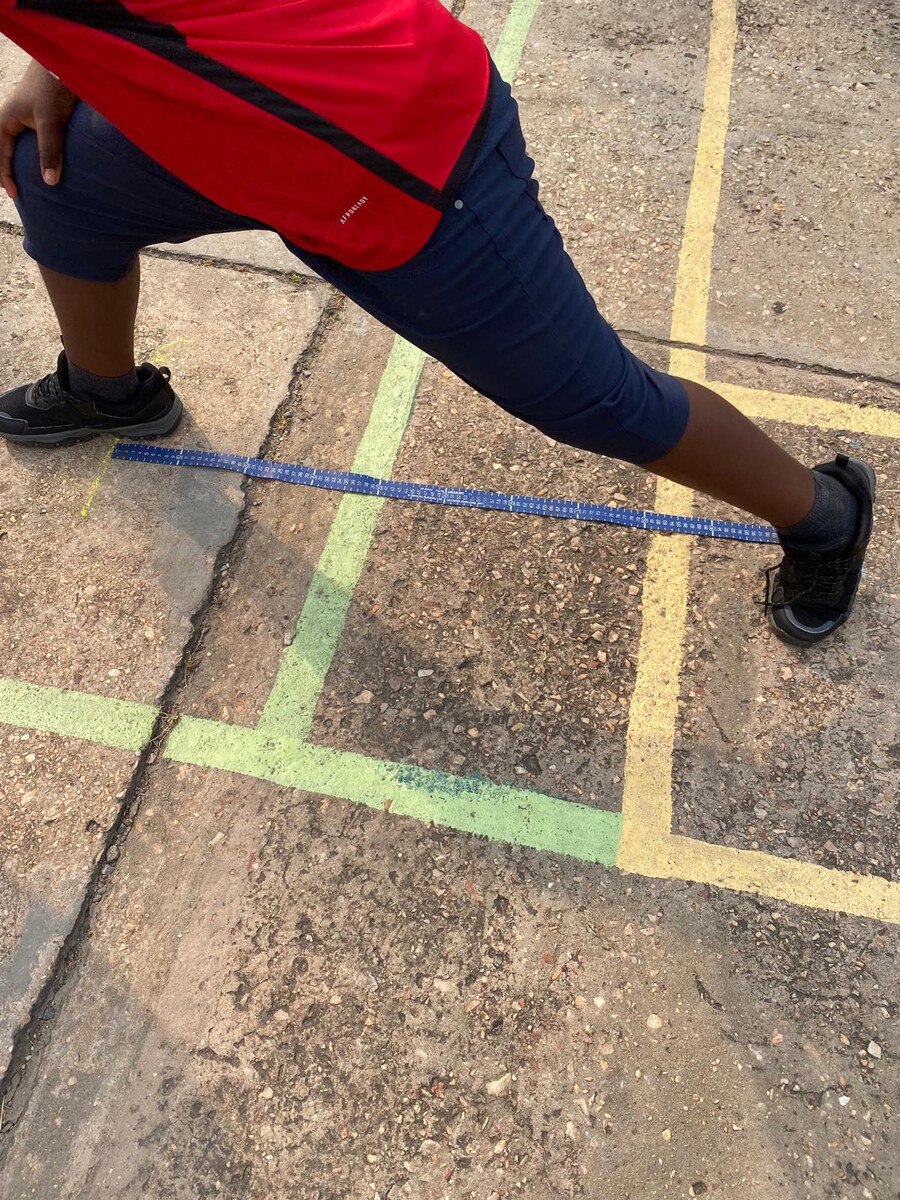
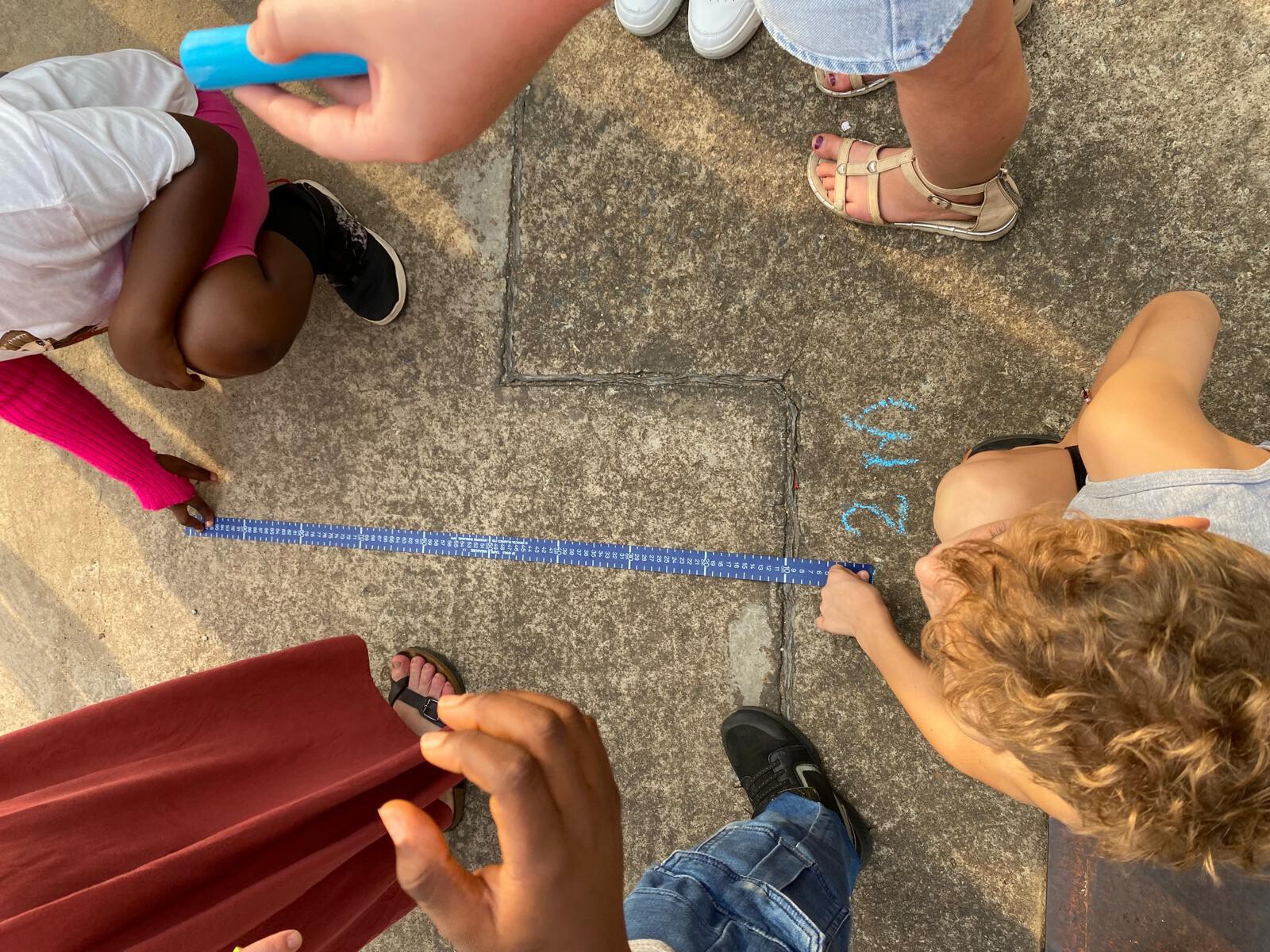
Towards the end of the week, the focus shifted to the unit kilometre. To develop a sense of this scale, the class went outside to the playground. Using measuring tapes, they first marked a distance of ten metres and labelled each metre. The children then walked the distance using big steps. Afterwards, they used their “metre-steps” to estimate the distance from the basketball court to the school entrance. The class estimated it to be approximately 60 metres. Next week, we will explore how many times this distance would need to be walked to reach a total of one kilometre.
Science class was also very hands-on: the students became young dieticians and explored the Food Pyramid and the importance of a balanced diet. They learned that food is not only tasty, but also fuel for our bodies, helping us grow and stay active. Different foods were sorted into three groups: Energy Givers (carbohydrates and fats), Body Builders (proteins) and Protectors (vitamins and minerals).
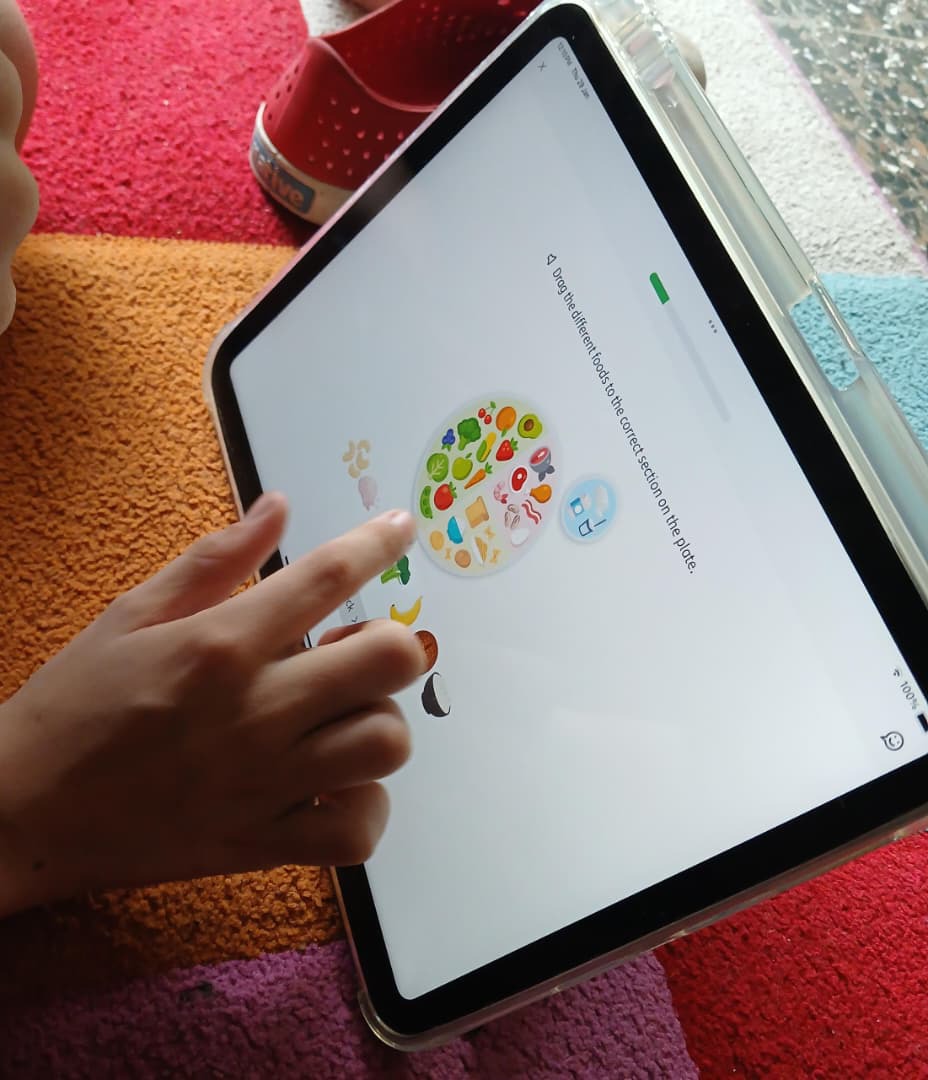
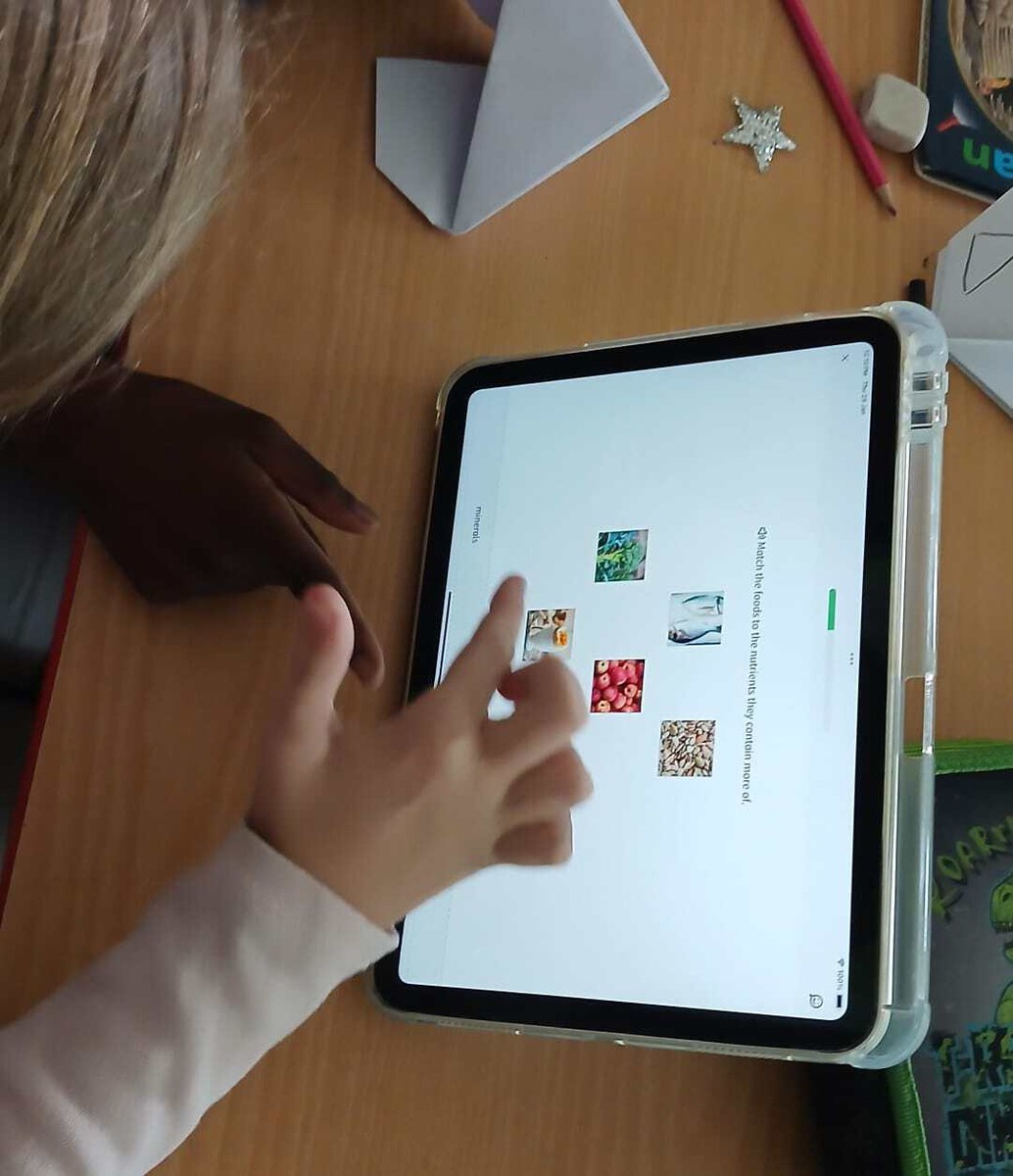
To bring the topic to life, the children also used their iPads for interactive digital activities. They practised creating “perfect plates” and identifying balanced meals in a virtual learning environment. They also discussed why eating too much junk food is unhealthy in the long run.
Little challenge: Ask your child this evening which group your dinner belongs to—we look forward to hearing their ideas! 😊
Creative Weaving
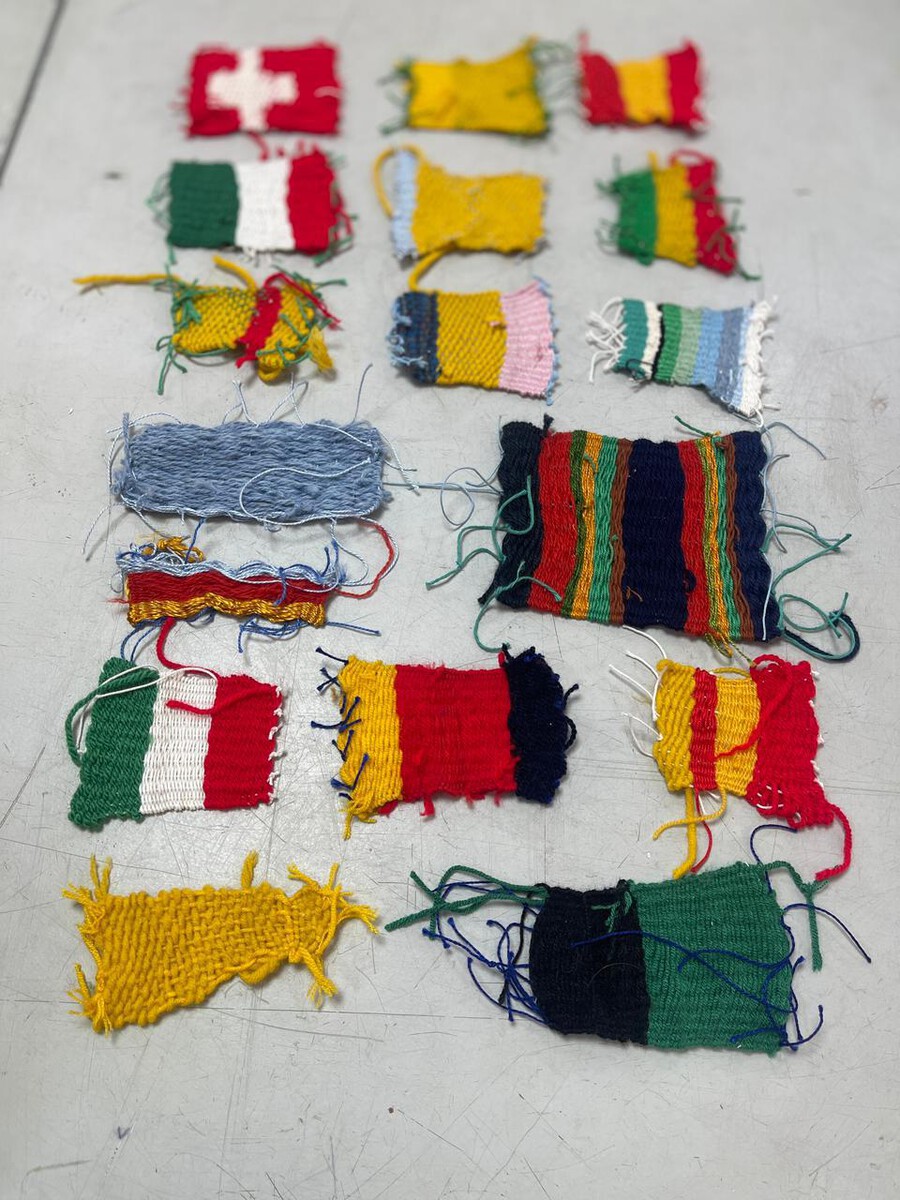 During Project Time, many beautiful small and large weaving pieces have already been created. This week, Luke from Grade 3 had a great idea: weaving a bracelet. Said and done—and because he enjoyed it so much, Luke gave a short introduction to the other young weavers.
The students are now planning to weave bracelets together next week, which might be sold at Ghana Day as part of a small student stall. Creativity meets team spirit—and that is what makes this project so special!
Intensive German as a Foreign Language (DaF) Class
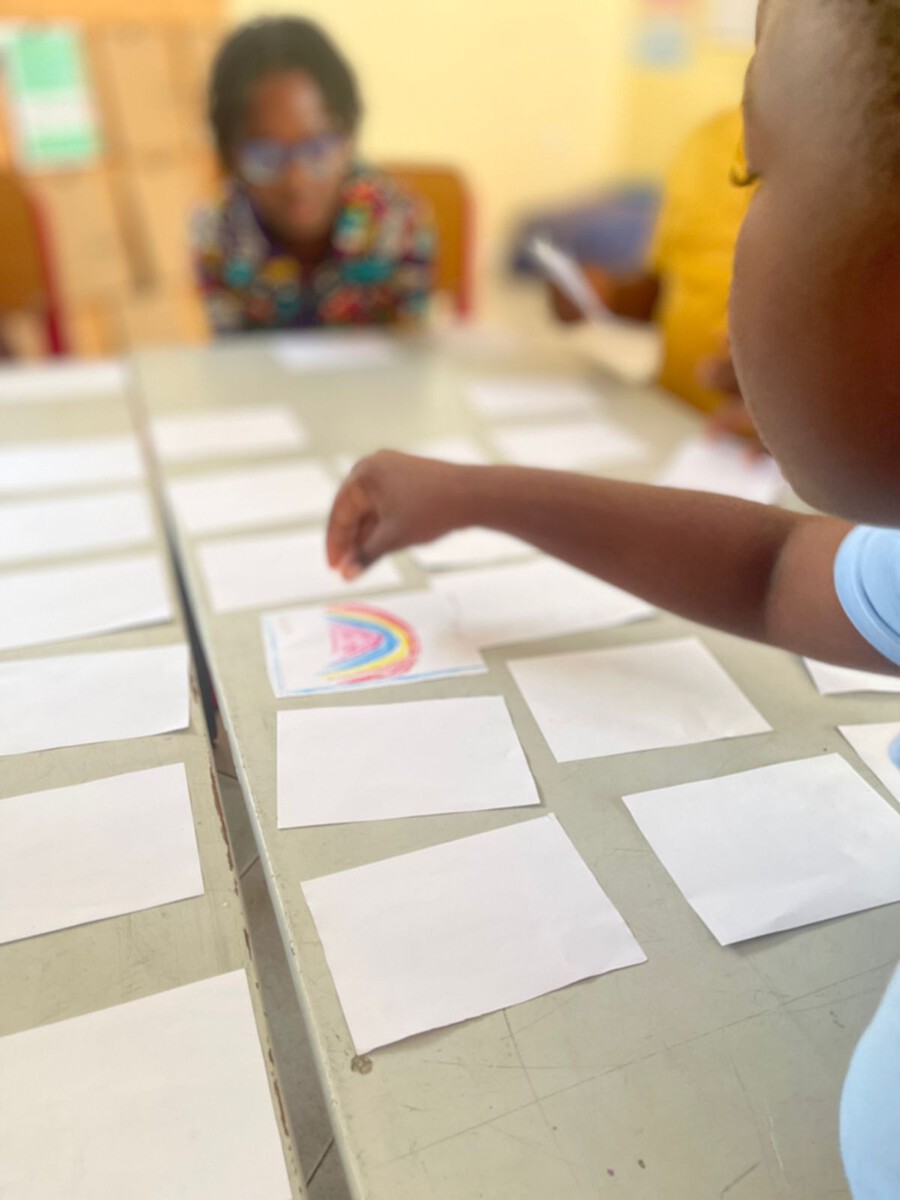 This week, the intensive DaF class worked on the topics of origin, age and German country names. The motivated learners from both primary and secondary level were introduced to singular pronouns and the corresponding verb endings.
The primary learners also completed a memory game based on the vocabulary and chunks from the first two weeks and tried out the game together.
In the large group, everyone played different games to strengthen cognitive skills (especially memory) and worked on team building and conversation. The learners also agreed on additional class rules and are currently creating a poster about them.
Over the course of the week, the DaF group wrote a vocabulary test as well as a learning assessment on the weekly topics.
Secondary School
Grade 5
In German class, we once again focused intensively on the different parts of speech. The main emphasis was on nouns, especially the four grammatical cases.
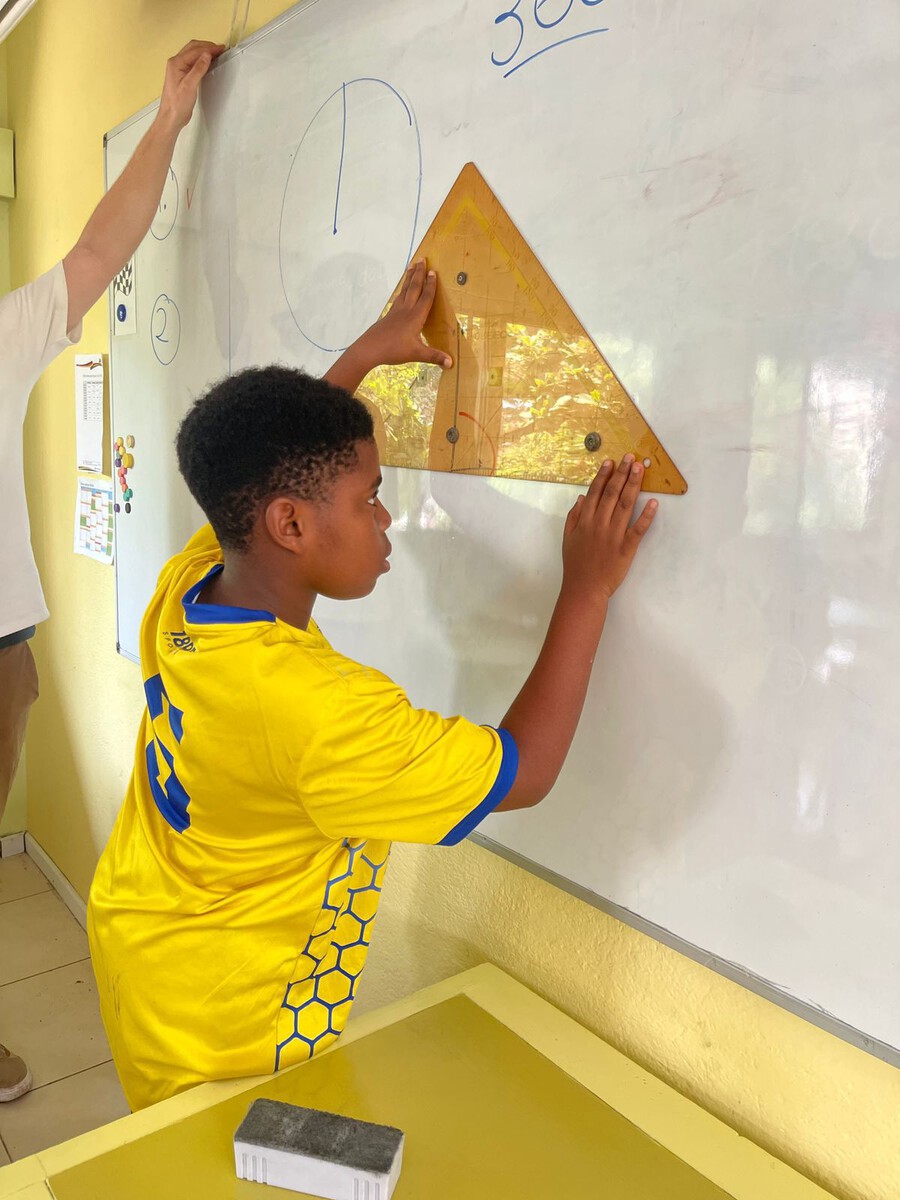 In Maths, students continued estimating, measuring, drawing and classifying angles. While acute and obtuse angles are fairly easy to measure and understand, reflex angles truly require “thinking around the corner.” We are excited to discover more angles in the coming weeks and to keep working with them.
In Biology, the students gave short presentations on amphibians and shared their knowledge with the class.
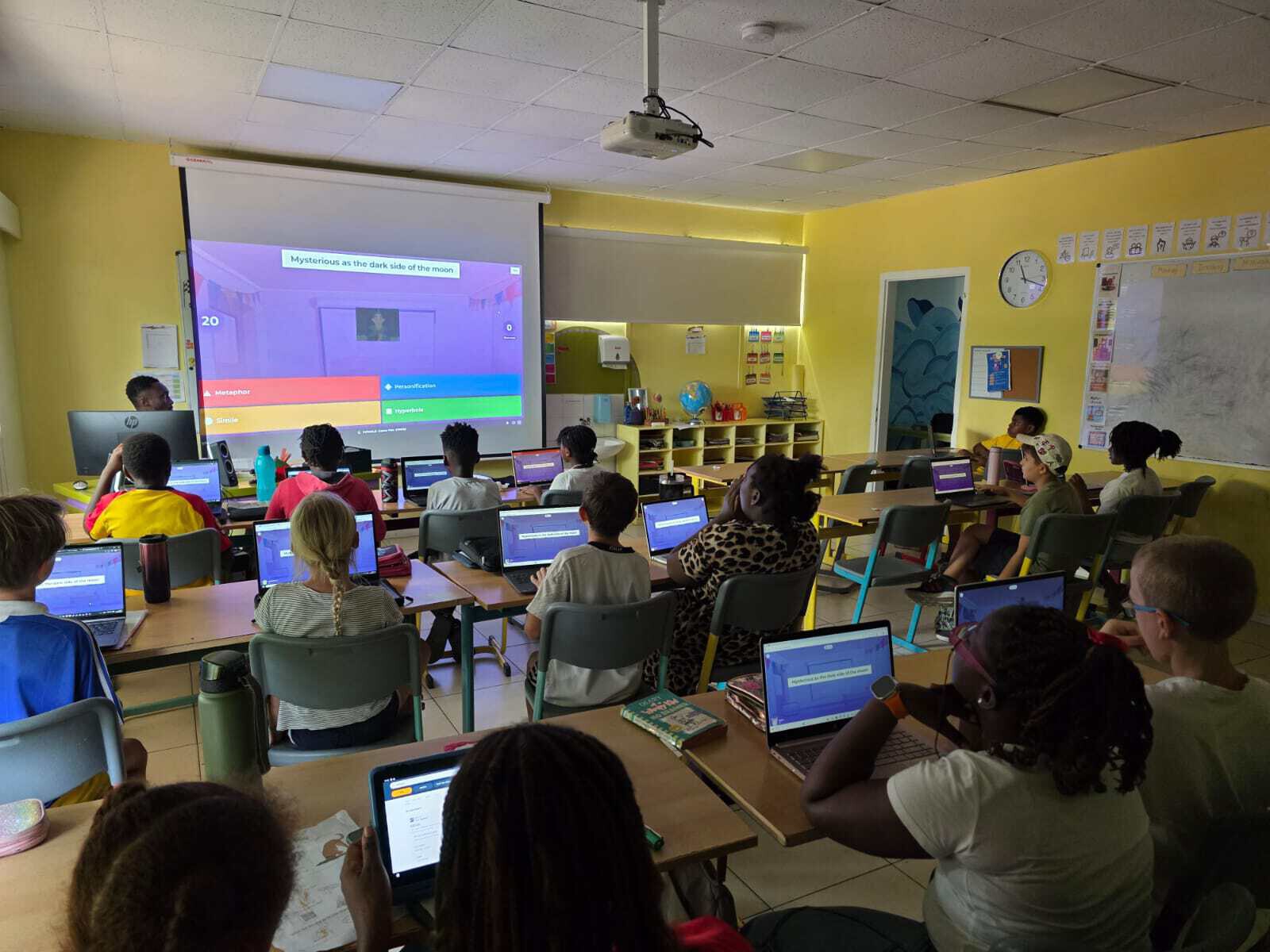 In English, we completed our unit on figurative language. The learners were able to identify various examples in different texts and explore how sentences can carry hidden meanings. A final Kahoot quiz helped reinforce the content in a playful way. Next week, we will continue working with figurative language and write our own haiku poems.
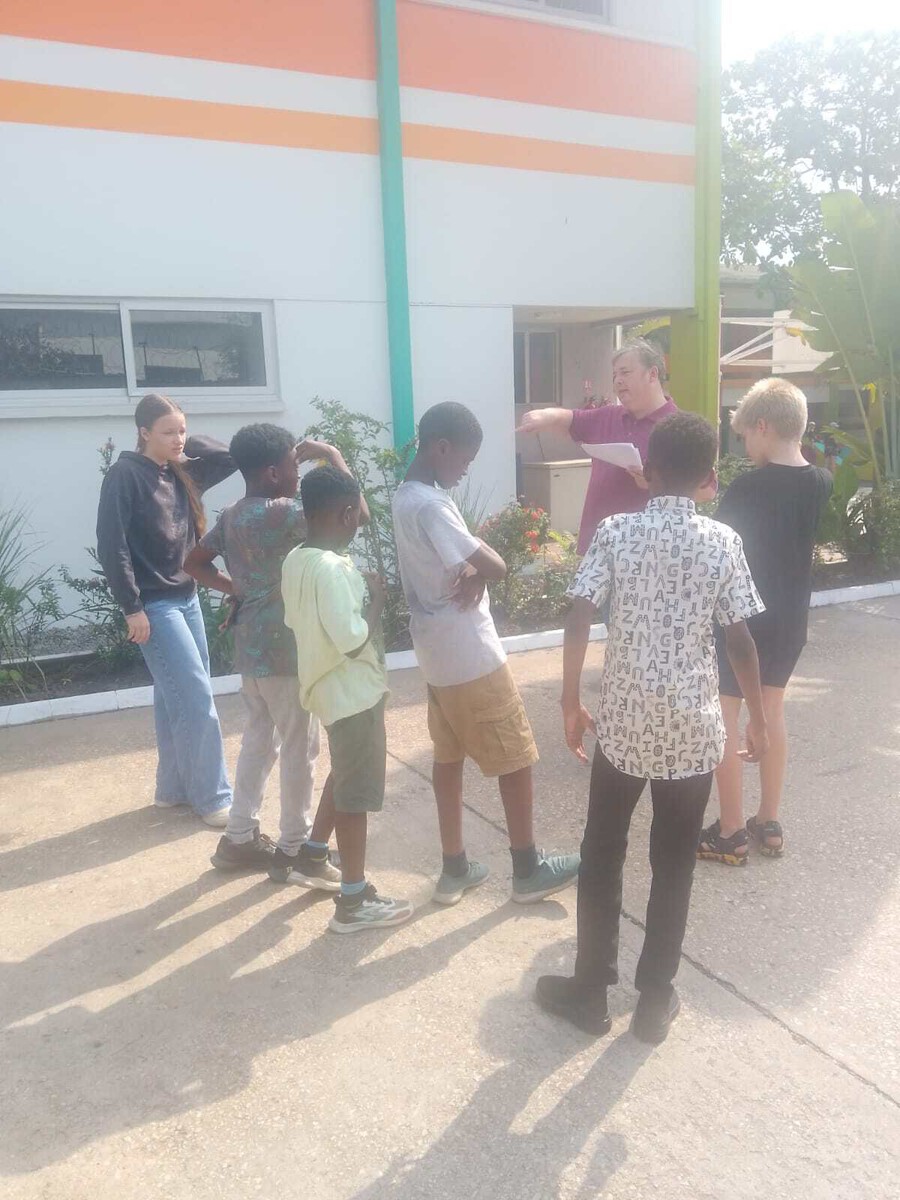 In Geography for Grades 5 and 6, students refined their posters and presentations on space travel. A movement-based final quiz demonstrated what they had learned. We also took a first look at the new History topic: Ancient Egypt.
Grade 6
There was a lot going on again in Grade 6 this week—we worked intensively, explored, designed and created across different subjects.
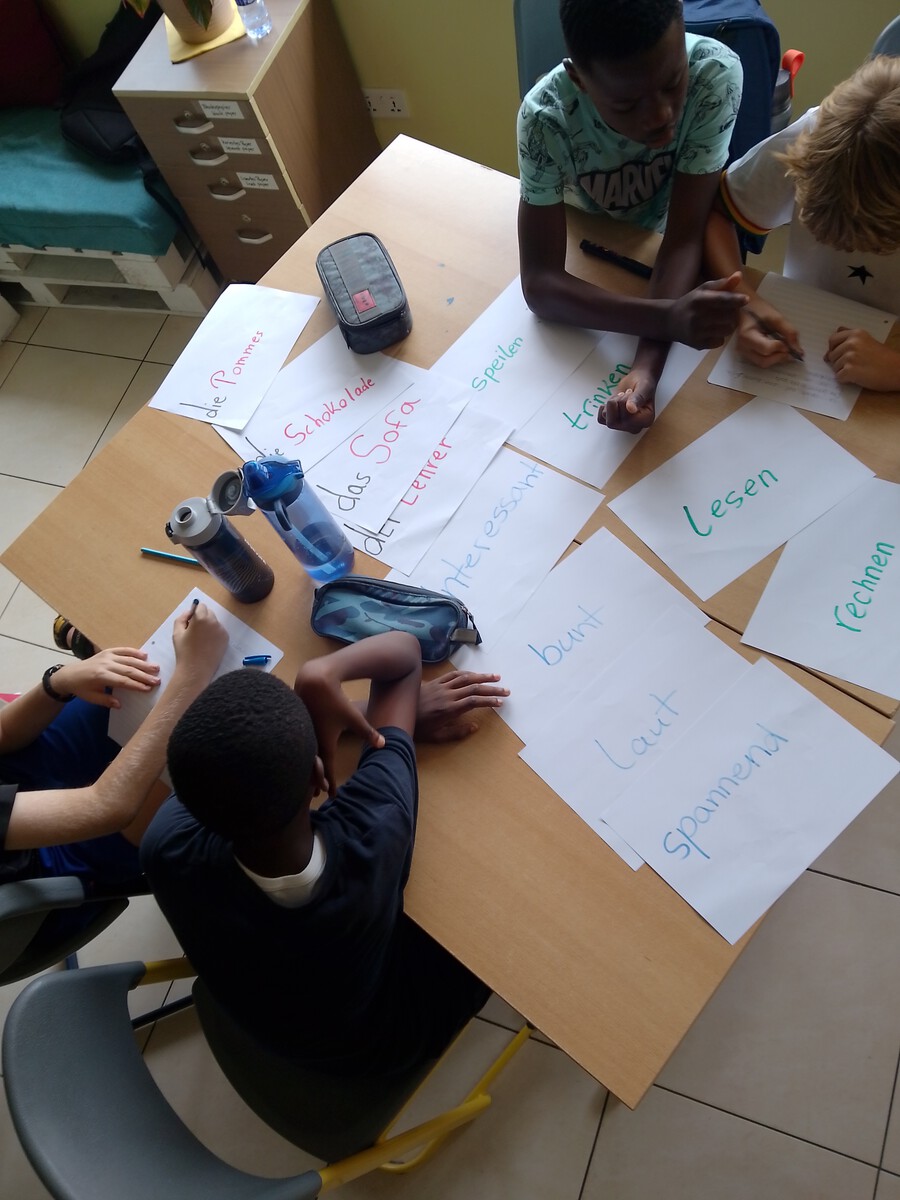 In German, we took a closer look at different parts of speech. Students collected their own nouns, verbs and adjectives and then turned them into funny, creative and sometimes even absurd sentences. This helped strengthen their language awareness and deepen their understanding of word types in a playful way.
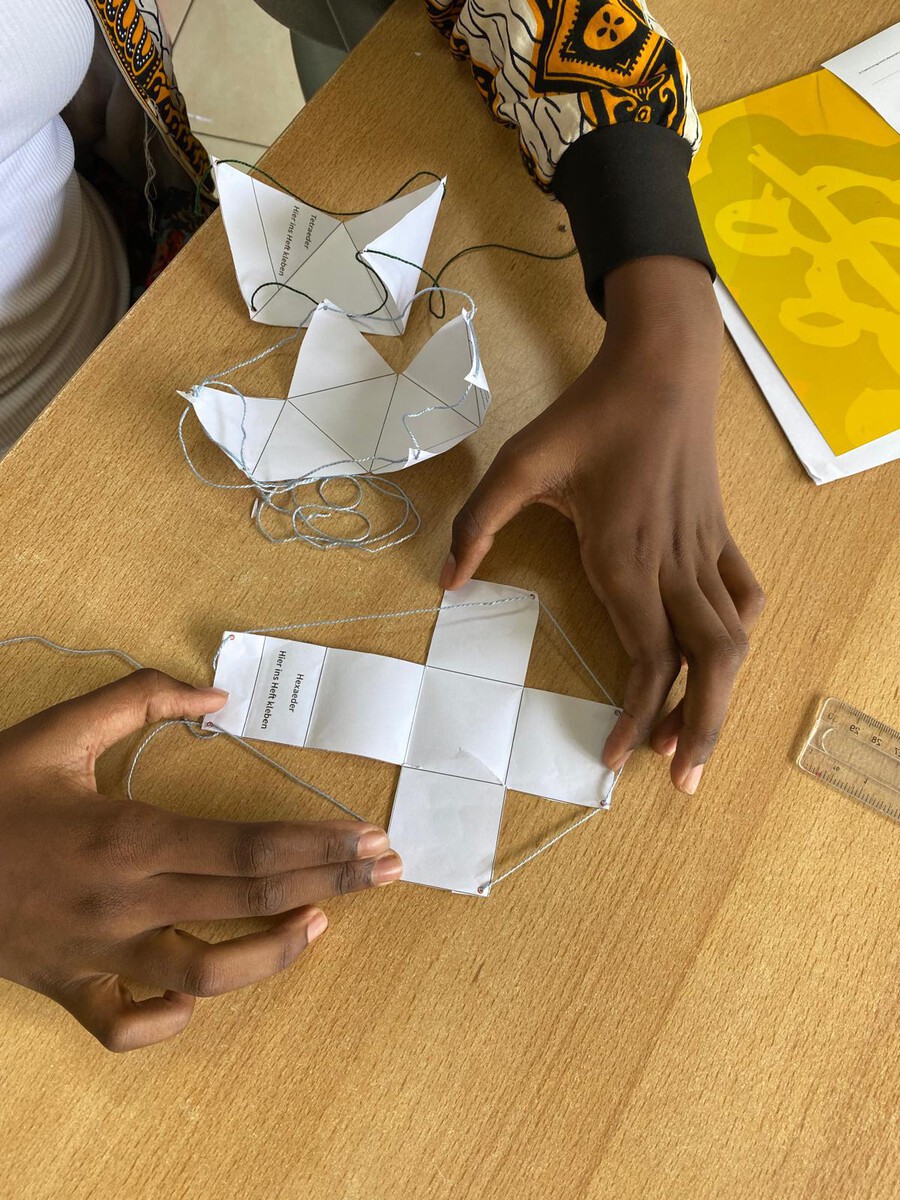 In Maths, the focus was on geometric solids. Using self-made string models, we were able to clearly demonstrate the transition from a flat net to a three-dimensional solid. Students created models of a hexahedron (cube), a tetrahedron and an octahedron. In addition, we worked more deeply on different prisms through station activities. Tasks included drawing 3D sketches, creating and recognising prism nets, and identifying and sorting various prisms and solids.
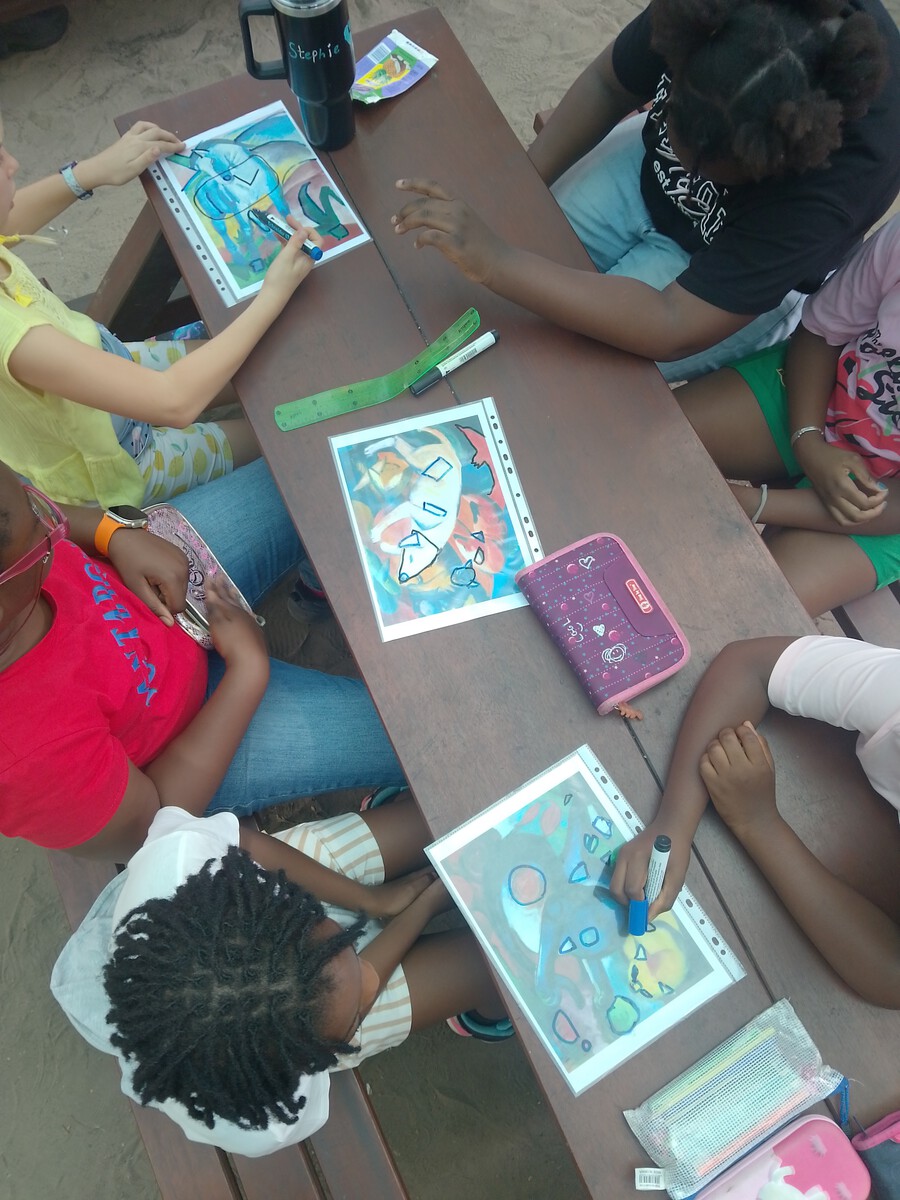 In our outdoor art studio, we explored complementary colours as well as geometric shapes in the art of Franz Marc. Using many examples of his animal paintings, we discussed abstract painting and how animals can be represented through geometric forms. The colour choices and use of primary colours stood out immediately, allowing us to apply our knowledge of the colour wheel directly.
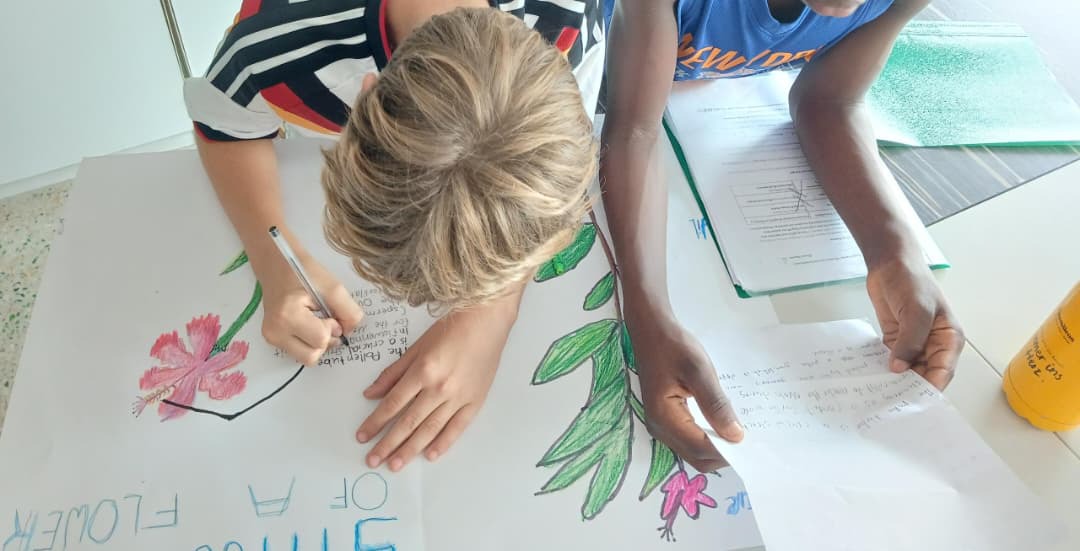 Our intensive research project on flowers was successfully completed this week. The focus was on bringing results together and creatively designing research posters. Each group became an expert on a specific part of the flower. Students explored not only the names of the different parts, but also their exact position, biological function and some surprising facts. The finished posters show clearly how well students can present their knowledge in a structured and visual way.
We look back on a varied and productive week and are excited to continue deepening our topics in the coming weeks.
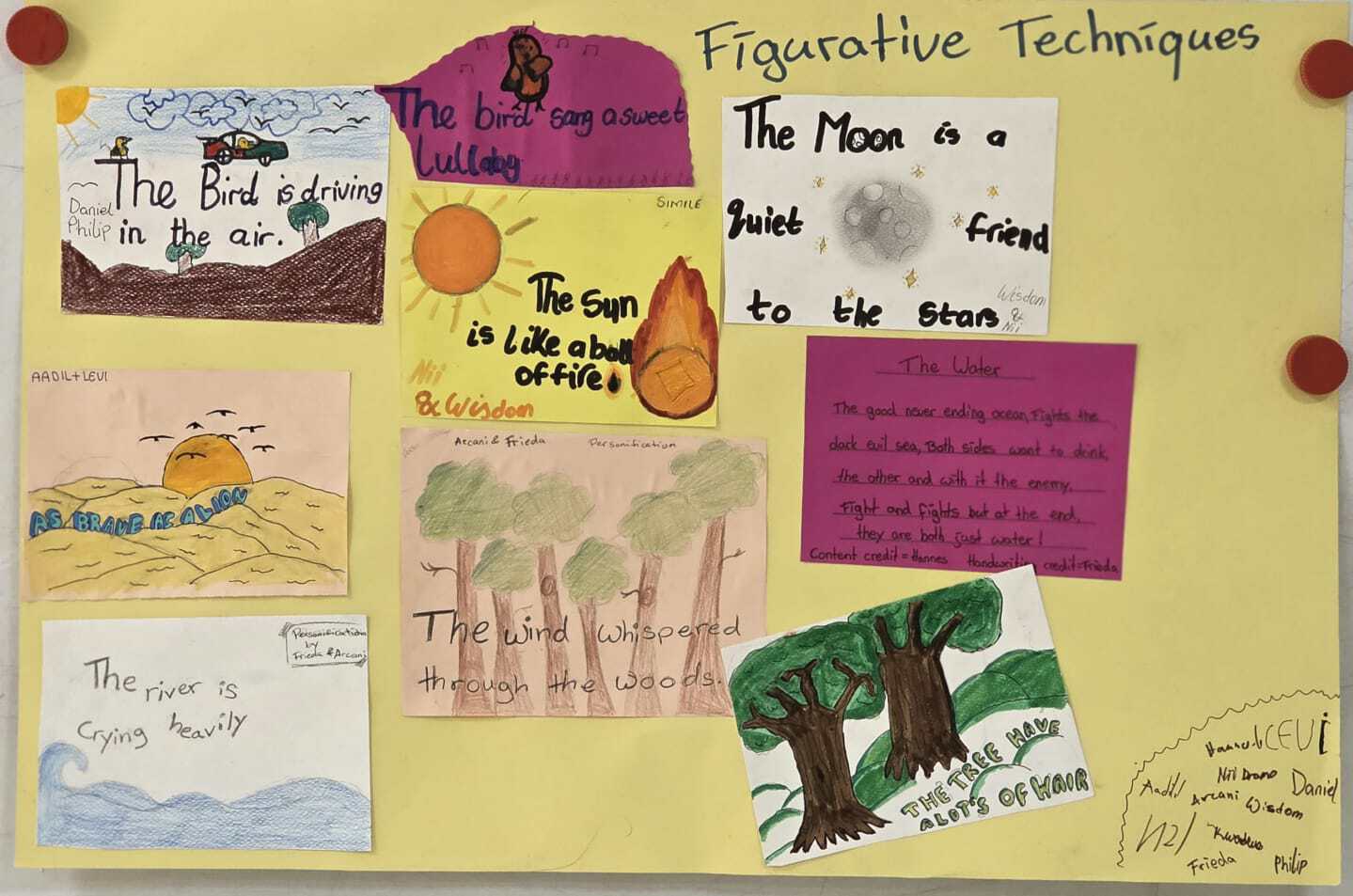
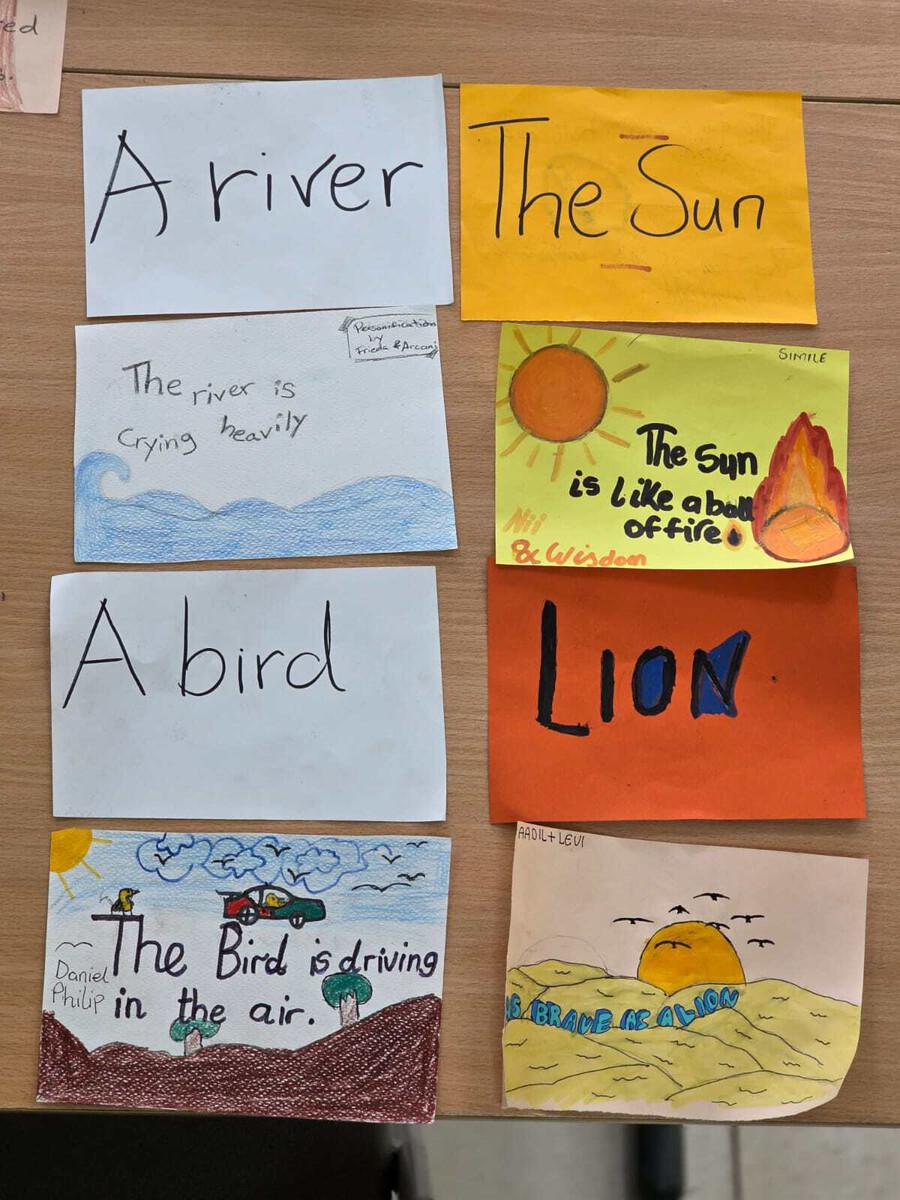
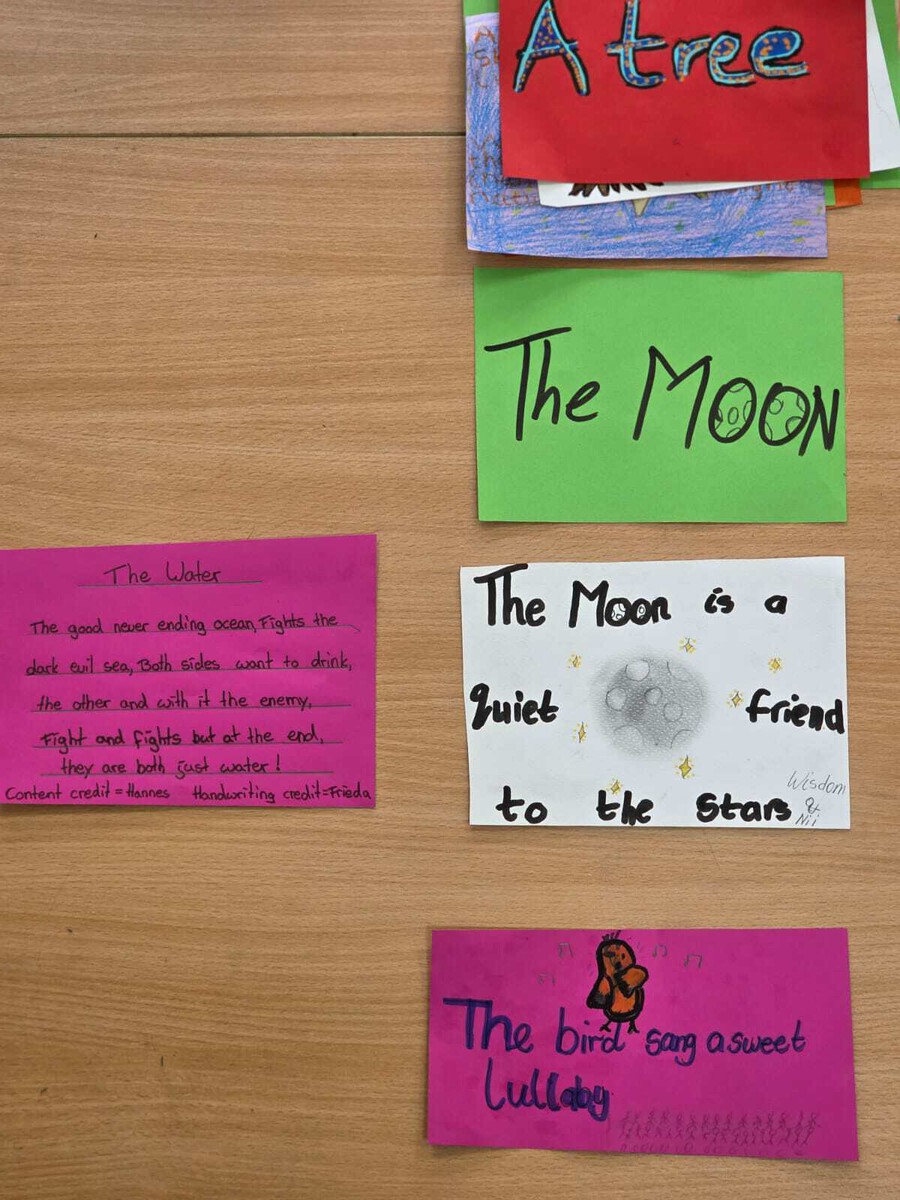
In English, students began with a listening test to assess comprehension skills. They then created a chart of figurative techniques and drafted their first poems. This inspired and motivated the class to write their own. Next week, students will finalise and perform their poems—an excellent way to combine culture and creativity through poetry.
Grades 7/8
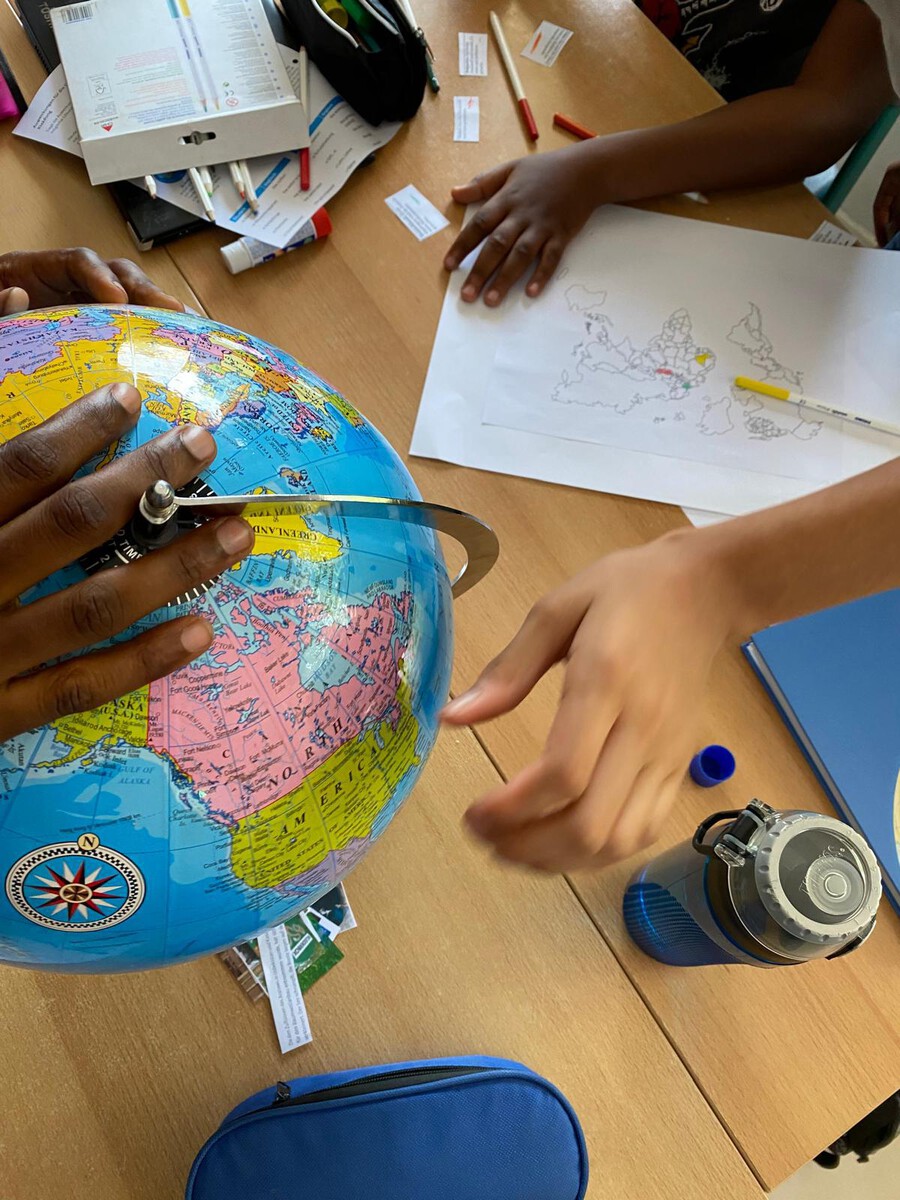
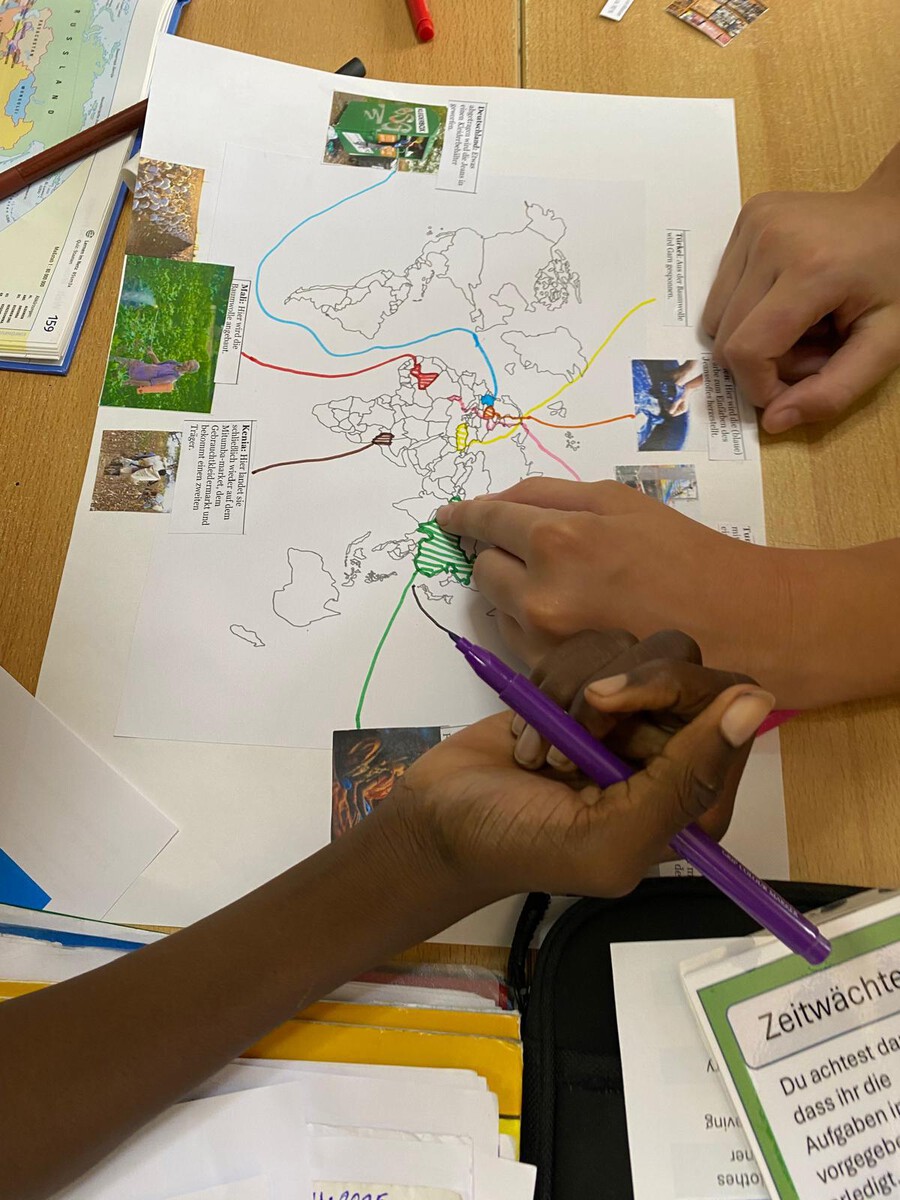 In Social Studies, students explored the production steps of a pair of jeans using an interactive map. With the help of an atlas and a globe, they located the different stations on the map and added pictures showing the environmental impact connected to each step.
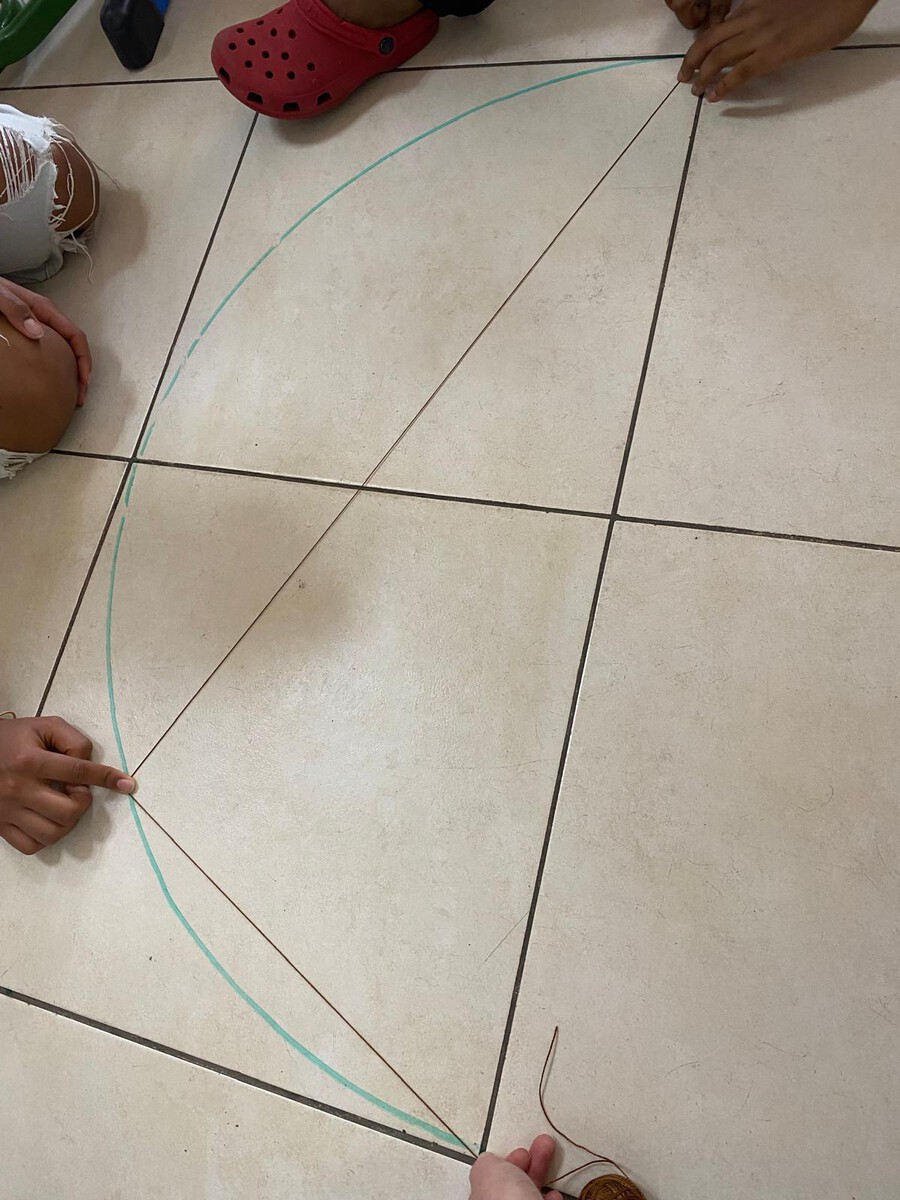 In Maths, Grade 8 strengthened their understanding of the Pythagorean Theorem using a domino game. In Grades 7/8, students also explored Thales’ Theorem: working in small groups, they used string and pencils to draw semicircles on the classroom floor and discovered for themselves that the triangle remains right-angled as long as point C moves along the circle line.
In addition, Grade 8 took a closer look at circles. Using measuring tapes and set squares, students measured the circumference and diameter of round objects and discovered the fascinating number pi. They are now already able to calculate the circumference of a circle.
In Biology, the topic of fats was at the centre of learning. Students carried out research and presented their new information in mini-presentations. They also analysed one day of their food diaries, sorted foods into the food pyramid and compared their own diets with recommended guidelines.
In History, we began our new unit on colonialism. The term was defined, and we discussed why colonialism became global from the 15th/16th century onwards and how the “triangular trade” worked. A very exciting chapter follows next week: Groß Friedrichsburg in Ghana.
Students also explored the impact of cruise tourism. They investigated how cruise travel affects the environment and nature, what social consequences it can have for visited places, and what challenges this creates for the future.
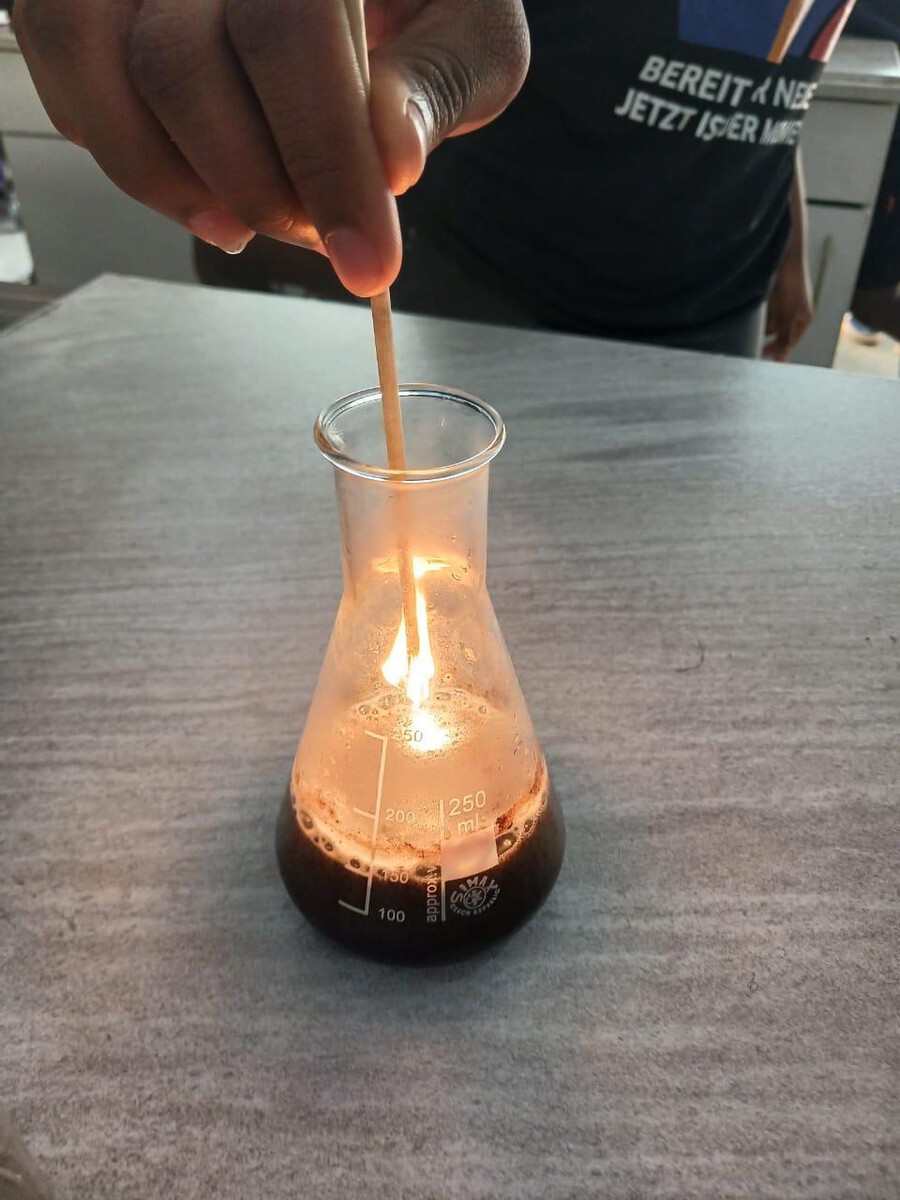 In Chemistry, students became familiar with different laboratory equipment, produced oxygen and proved its presence. They also burned steel wool and discussed the key question: does the mass increase, decrease, or stay the same? Students should now know the answer to this question.
German as a Foreign Language (DaF) – Grades 5/6 and 7/8
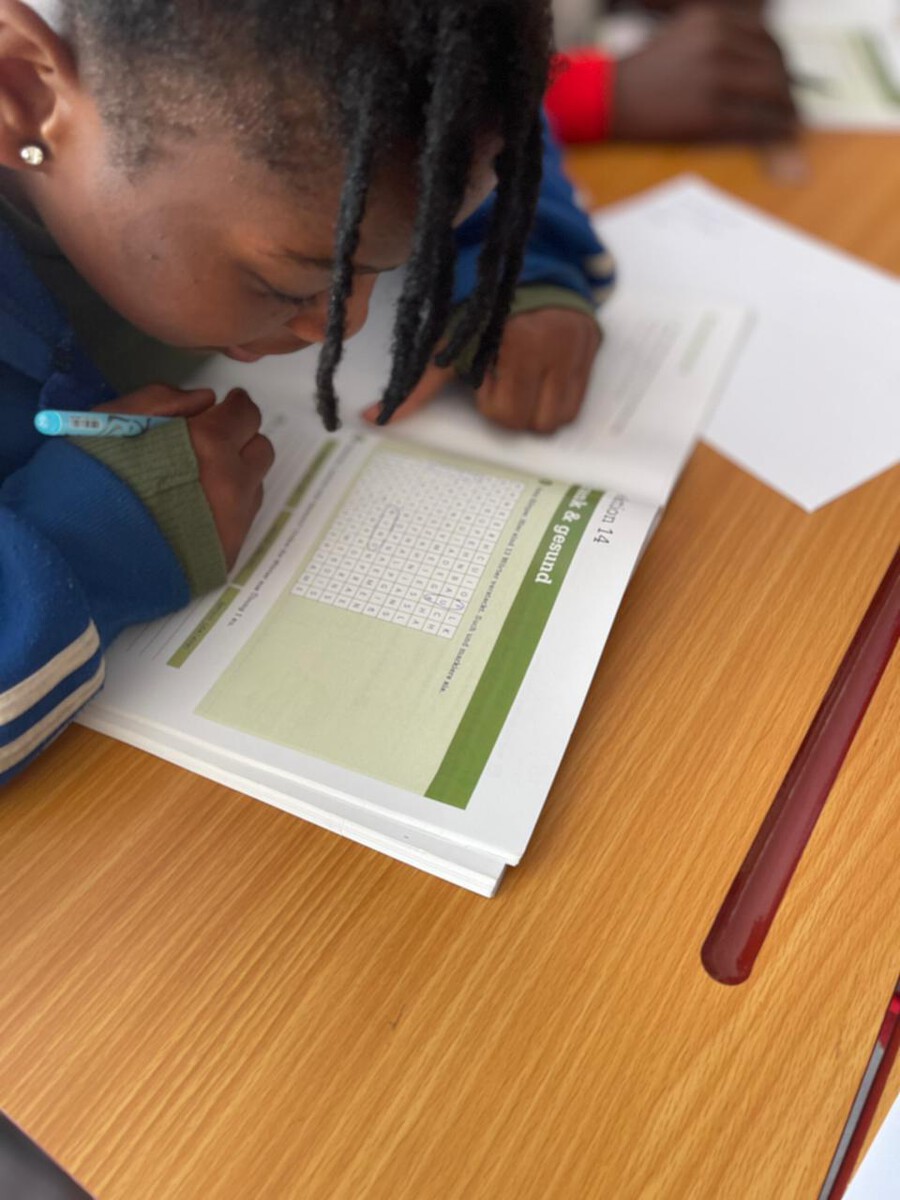 This week, our DaF classes started the exciting new topic “healthy and sick.” The students in Grades 5/6 first collected vocabulary through a brainstorming activity and presented their ideas in short presentations. The new words—especially body parts—were then practised in a playful way through a word search puzzle and a movement game, combining learning with physical activity.
The older DaF students in Grades 7/8 practised body parts in a creative way as well. In the game “Who am I?”, they tried to describe words without naming them directly—a fun challenge for vocabulary and speaking skills. Afterwards, they completed a word search puzzle to revise and consolidate the new vocabulary. They also presented their learning presentations on verb tenses, demonstrating their knowledge both in language use and grammar.
Next week will be especially exciting: students will take part in a role play, using their vocabulary actively in short dialogues—practical, interactive and engaging.
Project: GA – AFRO – GANZA
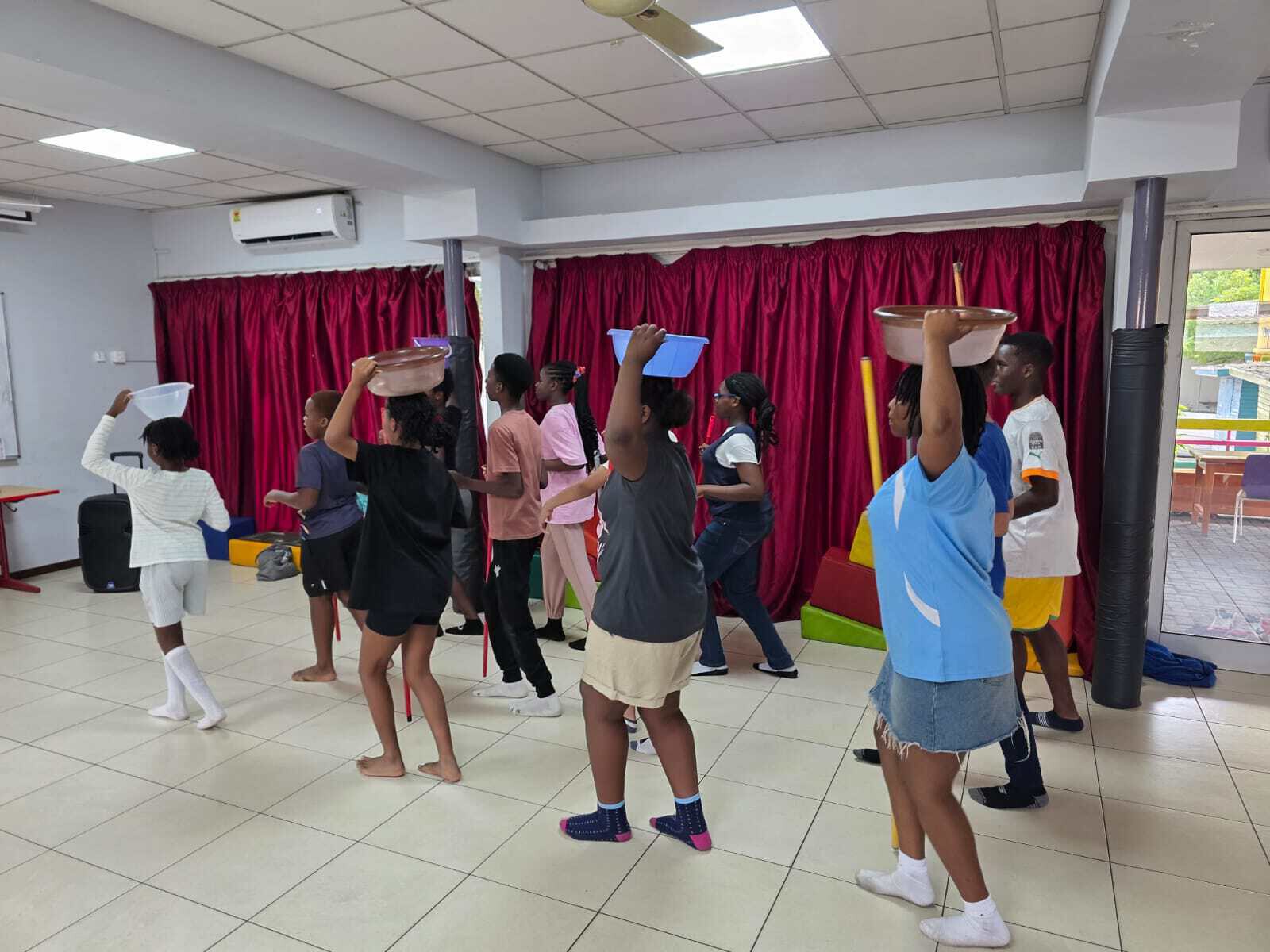 In the GA – AFRO – GANZA project, we were honoured to welcome our special guest Florence, who continued training the learners in the traditional Agorkoli dance. She brought the dance to life as the class practised with props and learned the importance of rhythm and timing. The learners had lots of fun and gave very positive feedback to our guest on the new steps they learned.
Learners are reminded to bring African fabric in preparation for the performance.
The GISA Roving Reporters – Last Week of January
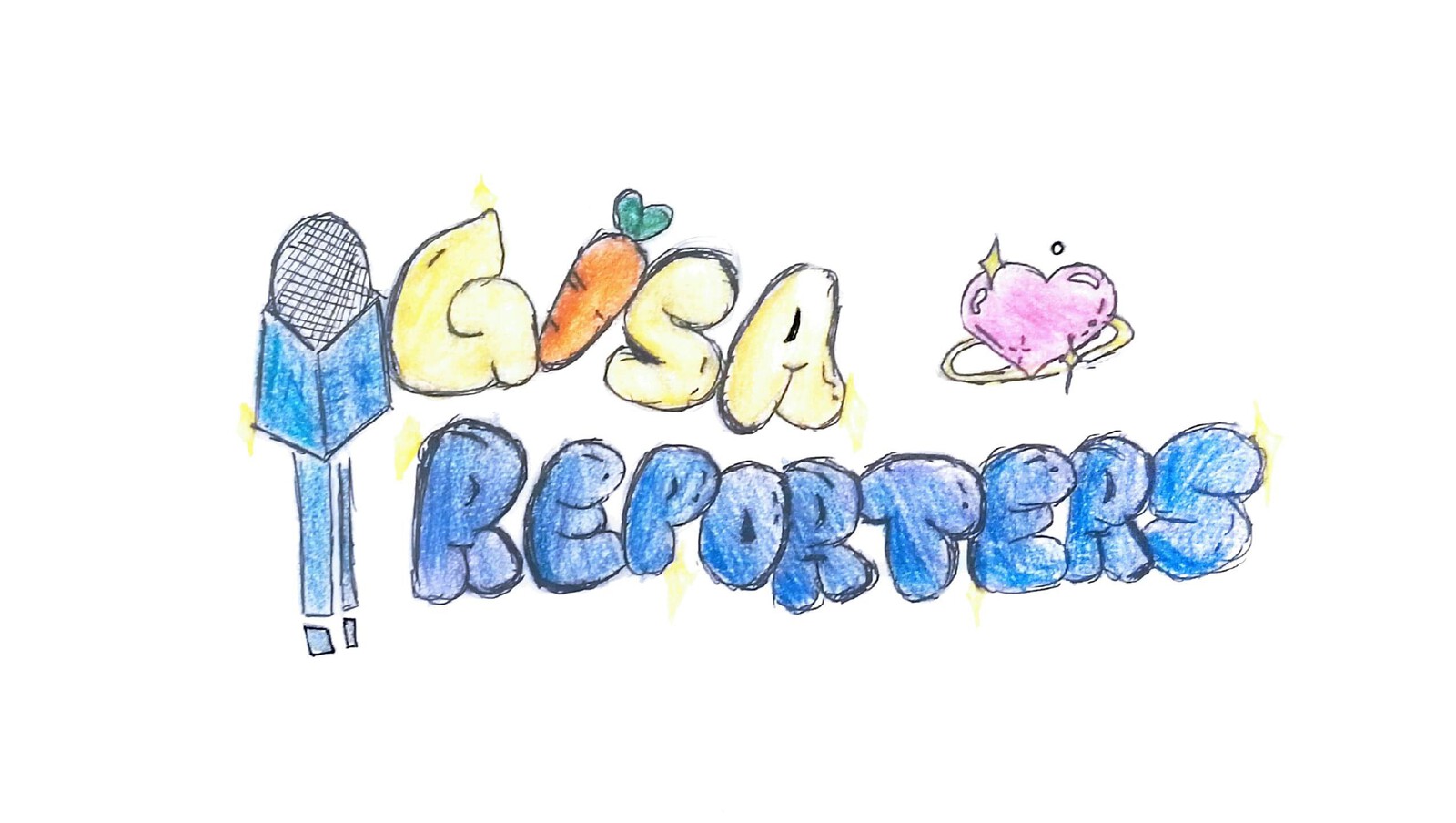 This week, we once again worked hard researching, exploring, and conducting many exciting interviews. We also chose one logo for our Roving Reporters from the many designs created both on paper and digitally. Arcani impressed us with her drawing and is kindly providing us with her logo. A big thank you for that!
Here are our reports and interviews from this week:
Report by Felix (Grade 5)
Hello and welcome to today’s interview. Today I am interviewing Wil. He is in Grade 5 and is 10 years old.
Wil thinks the coolest thing about his project “Journey Through Ghana” is that you get to learn more about Ghana. He thinks school is okay and the food is good. In his project, he is learning a lot about Ghanaian beaches.
Interview from the “Cooking” Workshop
Date: 27 January 2026
Reporters: Barima, Destiny and Papa Oti
Question: What do you like about this project?
Answer: Because I really like cooking and I want to learn how to cook really well.
Question: Why did you choose this project?
Answer: Because I want to learn how to cook.
Question: What have you learned so far in this project?
Answer: How to make Bofrot, Chin Chin and Rock Buns.
Question: How good is this project for you?
Answer: It was really good because I cook and eat what I like.
Follow-up from Last Week – Interview by Levi and Felix (“Cooking” Workshop)
We interviewed Kwadwo from Grade 3/4.
When we asked him which project he is in and how he likes it, he answered without hesitation that it is a very, very good project. He also said the food tastes really good. Most recently, he cooked Light Soup.
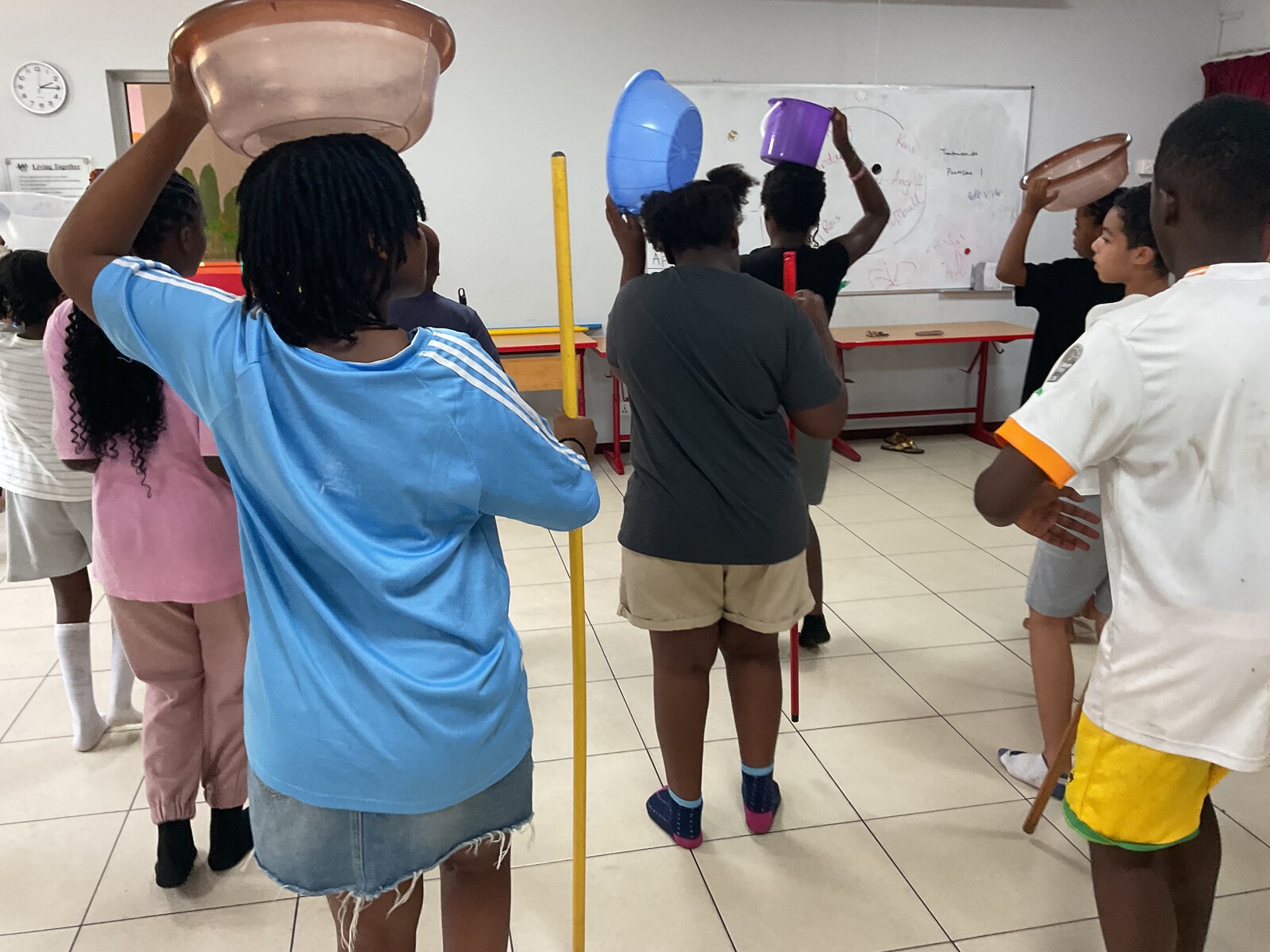 Interview from the “Ga-Afro-Ganza” Project – Follow-up from Last Week
Reporters: Sarah, Frieda and Arcani
Date: 20 January 2026
Will you present your dances?
Yes – Alexis
Yes – Raagida
Yes – Nana
Everyone said enthusiastically: Yes!
How many different movements can you do already?
“I can’t name the number, but I know I have already learned quite a lot of movements.” – Lady Kathryn
Do you like the dances?
“Yes, they are very beautiful. There are many rhythms and movements. We are learning a new culture, and Kekeli represents the Ewe community. Also, it is a project by Miss Mayoga.” – Ruda
What do you like about it?
Learning a new culture – Nana
Experiencing something new – Matt
I like dancing, it’s a good way to exercise – Kekeli
Why was this project chosen?
“As a Kenyan, my first observation when I came to Ghana was the big love for dance and music. I wanted to learn more about entertainment, so I chose this project.” – Miss Mayoga
Interview from the “Crocheting” Workshop
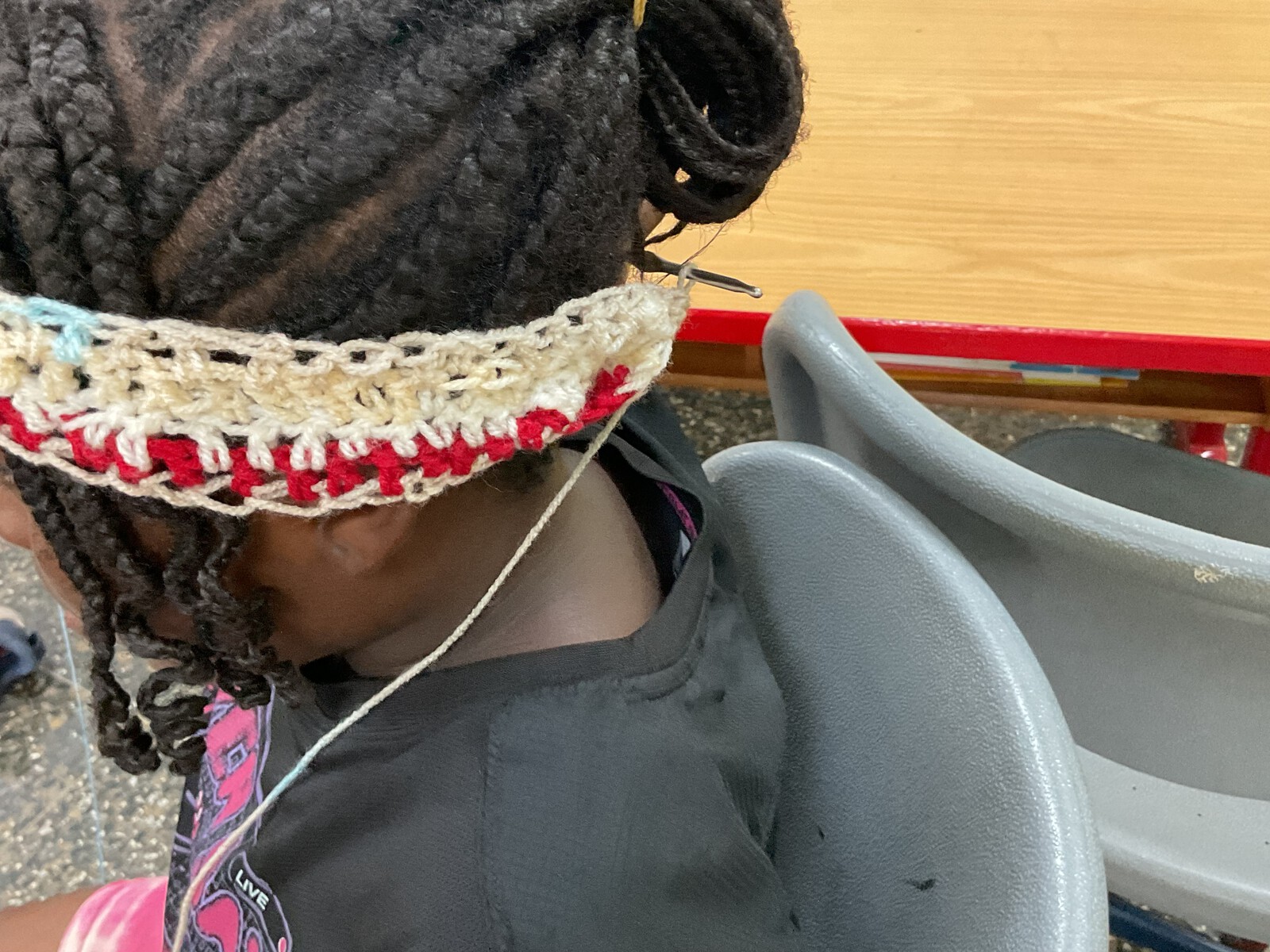 Date: 27 January 2026
Reporters: Sarah, Frieda and Arcani
Why are you doing this project?
“My mum used to crochet and I wanted to try it too.” – Trudy
“Because I like it.” – Michelle
“Because I like crocheting.” – Nana Yaa
Do you enjoy the project?
Yes – Afriyie
Yes – Winner
Yes, it’s fun – Afia
Why did you start this project?
“I love doing projects, I find crocheting very relaxing, and I wanted to share it with others.” – Miss Rose
Would you like to do this when you are older too?
“Yes, it is very relaxing.” – Elva
What is the goal of your project?
“To make a headband.” – Nael
Others would like to make a bag or also a headband.
That’s it for this week.
See you next time!
Your GISA Roving Reporters
Dates & Outlook
📌 Friday, 6 February 2026, 3:30–4:30 pm (online)
Inspection: Feedback to the school community
(Access details will be sent via email)
🎭 Friday, 13 February 2026
School Carnival
🏖️ Monday, 16 February – Friday, 20 February 2026
Sports Break
📚 Monday, 23 February 2026
First day back after the Sports Break
60-Year Anniversary – Event Highlights
🇬🇭🇩🇪🇨🇭 Thursday, 26 February 2026
Ghana Day – Celebrating Three Nations Together
🏆 Saturday, 28 February 2026
GISA Cup
🏆 Monday, 2 March 2026
GISA Cup – Kids Edition
⚽ Monday, 30 March 2026, 7:45 pm
Germany 🇩🇪 vs Ghana 🇬🇭 (International Friendly Match)
Location: Stuttgart
🏖️ Monday, 30 March – Friday, 10 April 2026
Easter Break
🎒 Monday, 30 March – Thursday, 2 April 2026
Holiday Camp
📚 Monday, 13 April 2026
First day back after the Easter Break
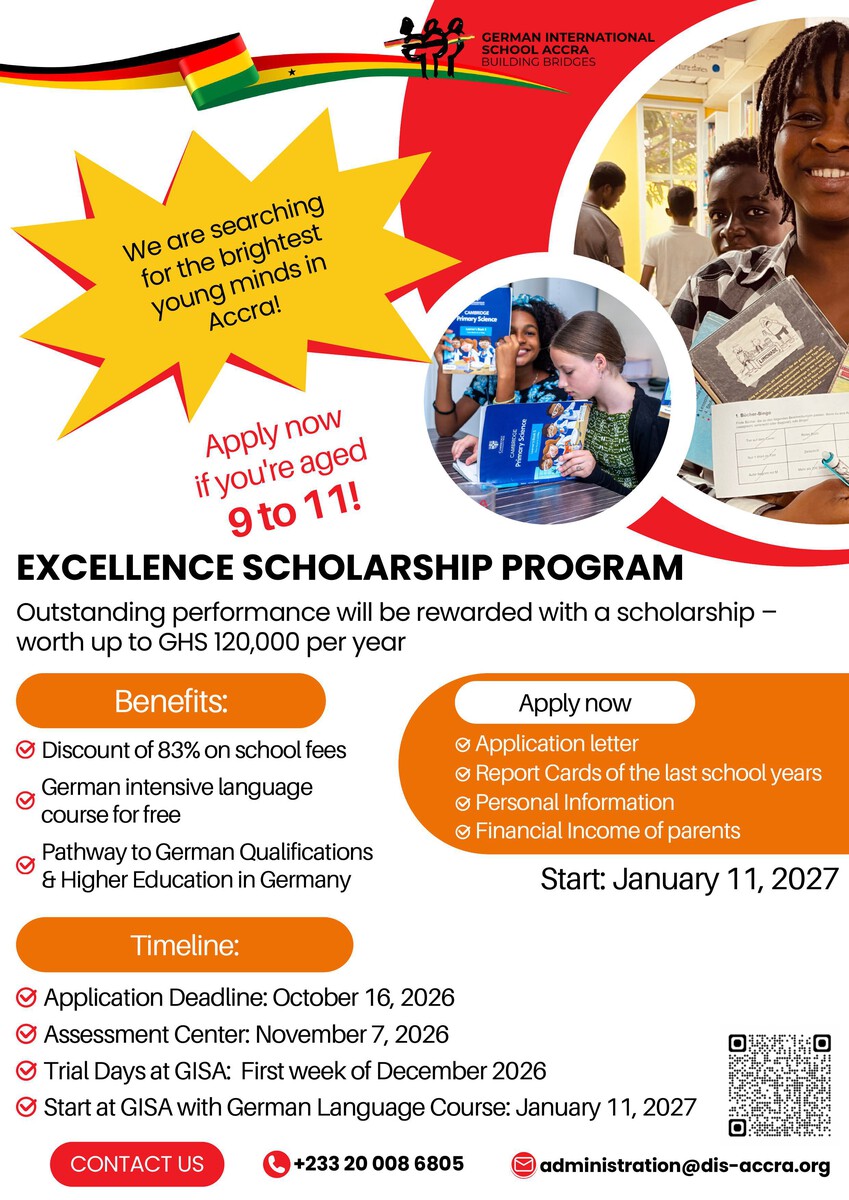
Excellence Scholarship Programme 2027
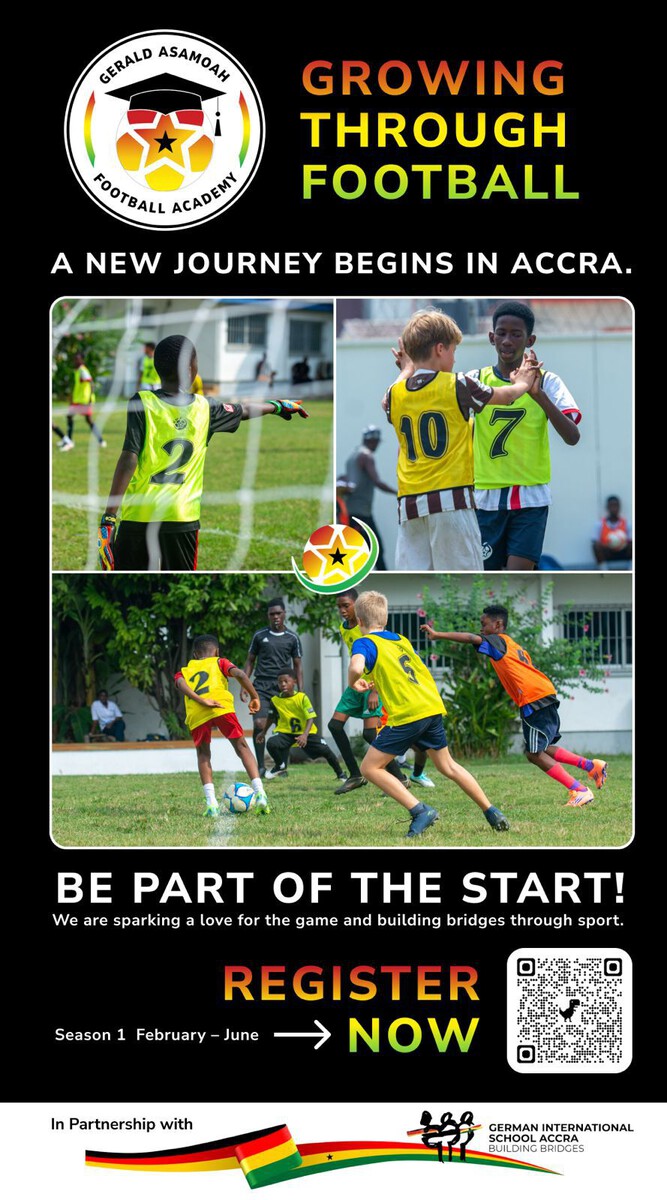
⚽Gerald Asamoah Football Academy
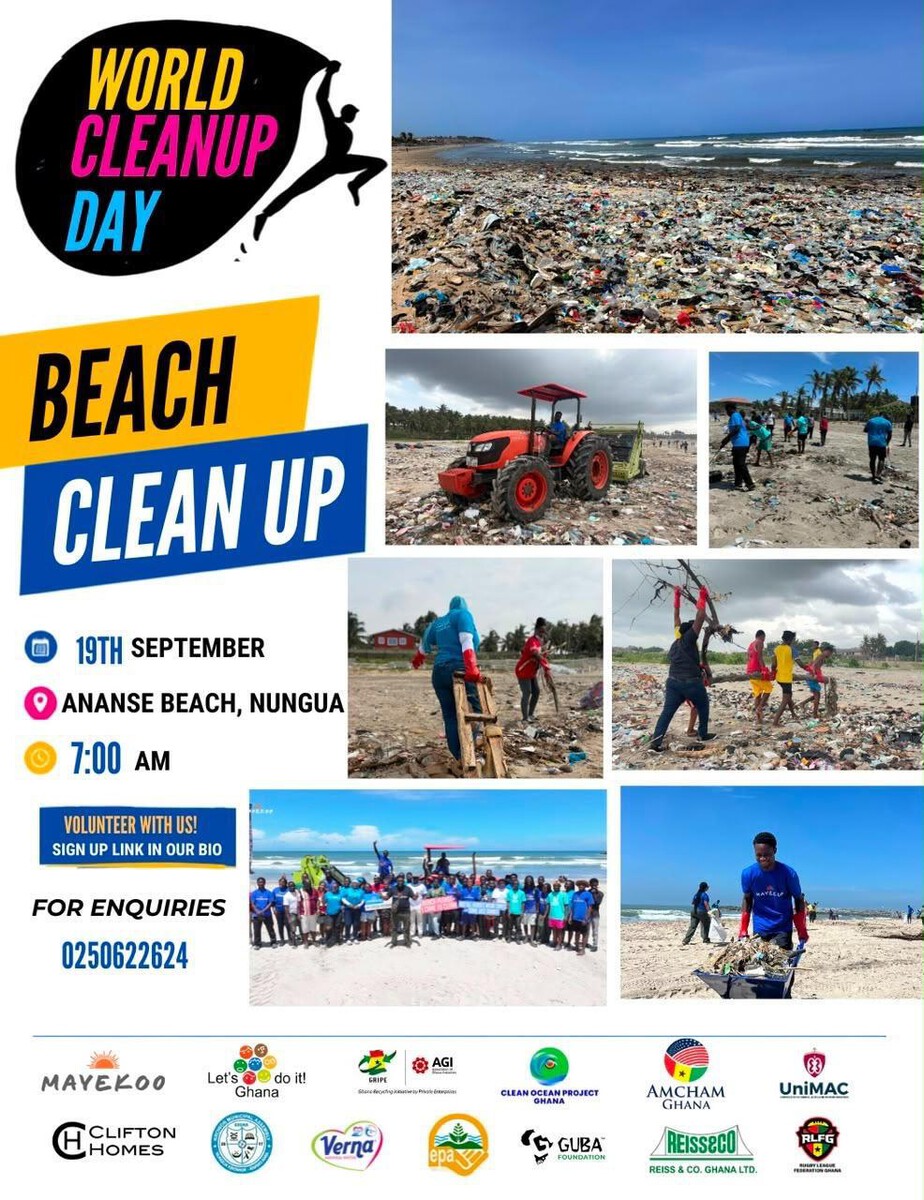
🌍Beach clean up day ♻️
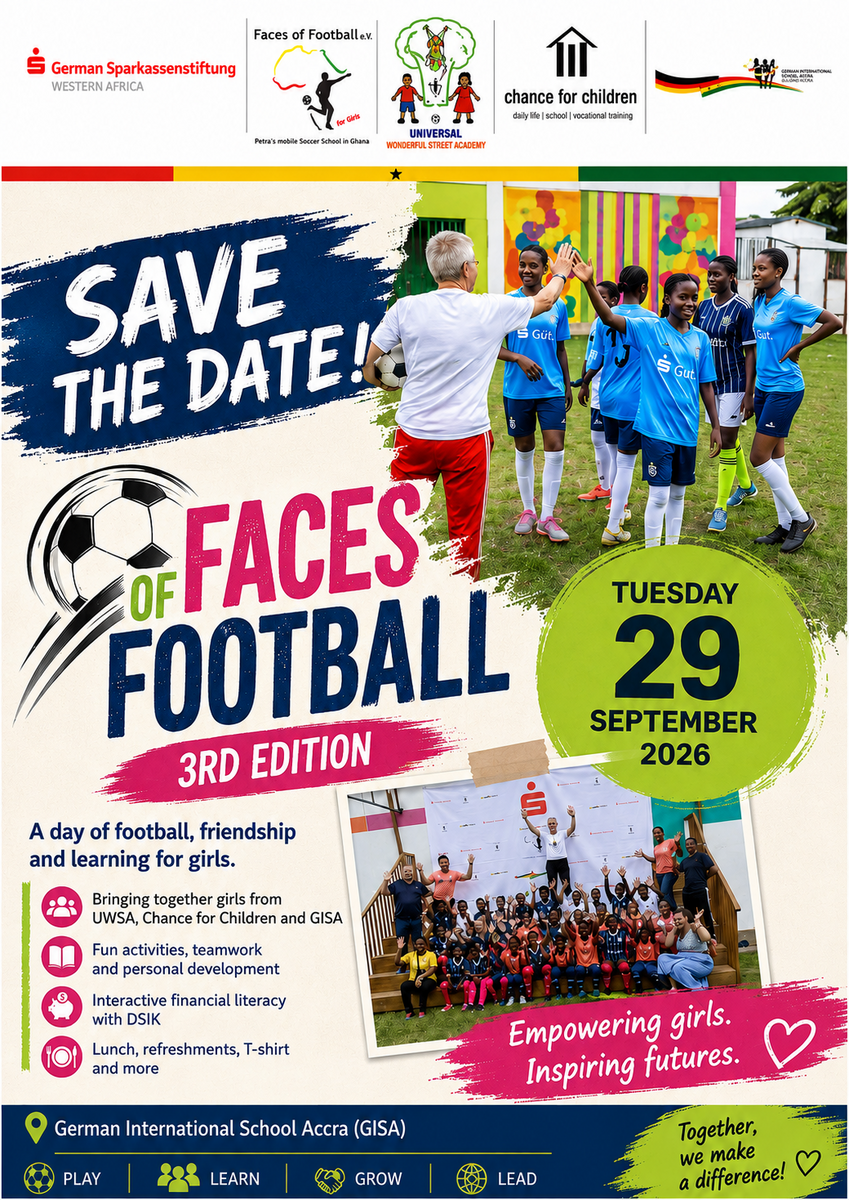
Faces of Football
🇩🇪 German Language Day

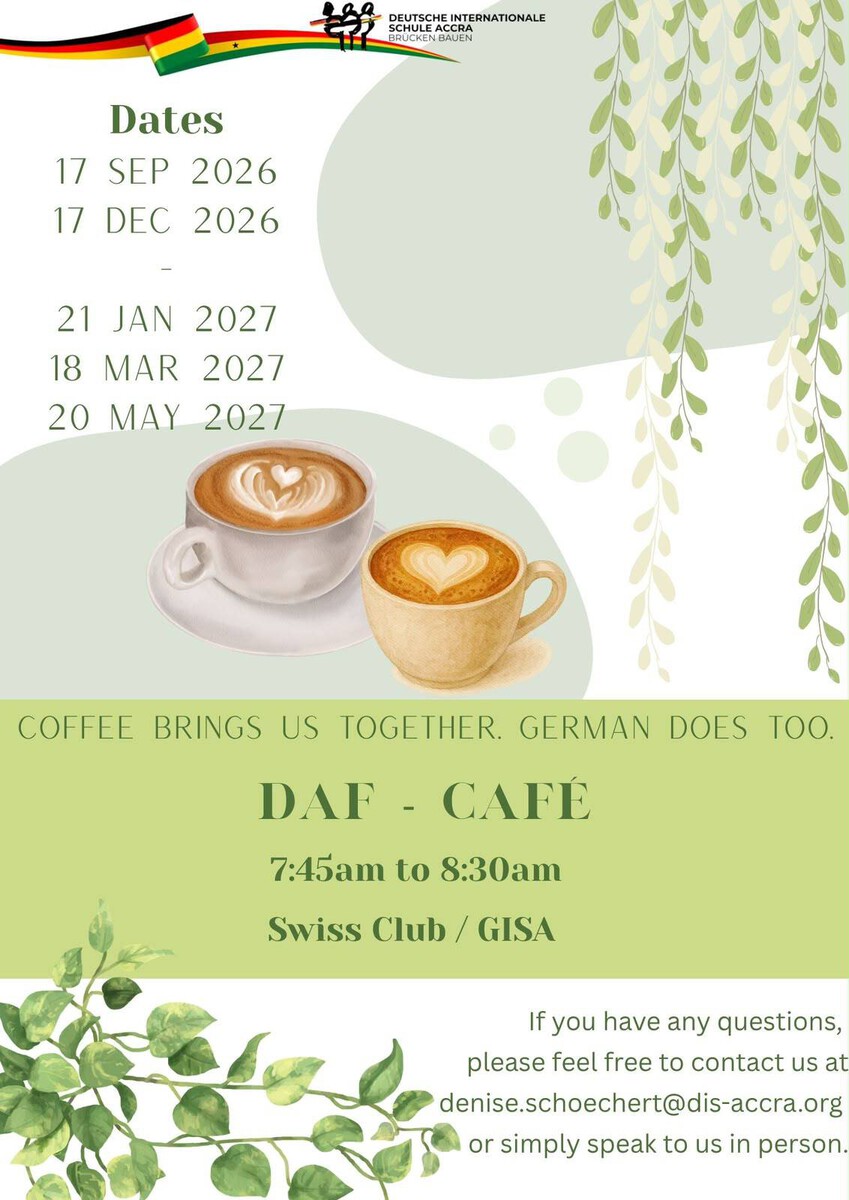
☕ DaF Café: Speaking German and Connecting Through Conversation
GISA Teen Club