Grade 6 – Art History, Fractions, Biodiversity and Power in Ancient Greece


Presenting, comparing, reasoning and recognising connections: in several subjects this week, Grade 6 focused not only on acquiring knowledge, but also on applying it independently and explaining it clearly to others.
Art: Presenting Art History
The big moment had finally arrived. After extensive research, intensive group work and a few creative challenges, the first presentations on art history began in Art lessons.
The groups first used the remaining time to make final improvements. Posters were adjusted, information was added and the presentations were rehearsed once more. After all, the aim was to communicate the knowledge they had gained as confidently and clearly as possible – and complicated artists’ names have a remarkable tendency to disappear from memory just before a presentation.
The first groups then presented their results. The students discovered artists whose names had previously been unfamiliar to many of them, learned about special techniques and explored the stories behind well-known works of art.
After each presentation, there was time for questions, discussion and constructive feedback: What had worked particularly well? Which information stood out? And what could be improved next time?
One thing became clear: giving a good presentation is an art in itself – and so is giving helpful feedback.
Biology – Recognising Characteristics, Distinguishing Species
In Biology, the students explored how plants can be identified reliably and how different species can be distinguished from one another. They considered which characteristics are particularly useful and why careful observation is such an important part of scientific work.
This also showed why we had spent so much time in previous lessons studying the structure of flowers. The shape, number and characteristics of individual flower parts can provide important clues as to which species or plant group a particular specimen belongs to.
From there, the class moved on to the concept of biodiversity. The students discussed why a high level of biological diversity is important for stable ecosystems and why protecting it ultimately matters to us as human beings as well.
Plant identification therefore became much more than simply naming a species: it became a tool for observing nature more closely, understanding its diversity and recognising its value.
Mathematics: Comparing and Transforming Fractions
In Mathematics, the focus continues to be on fractions. This week, the students learned how to compare fractions and how to find common denominators.
They explored questions such as: Why do we need a common denominator? How can fractions be transformed efficiently? And how can we estimate the size of a fraction at a glance?
The aim was therefore not only to apply calculation methods, but also to understand relationships between quantities and to explain mathematical reasoning clearly.
History: When Does an Alliance Become a Form of Rule?
In History, the journey through Ancient Greece continued. This time, the focus was on Athens, Sparta and the Delian League.
From different perspectives, the students explored how an alliance originally created for protection against Persia gradually changed. Athens led the joint fleet, member states contributed ships or money, individual poleis wanted to preserve their independence – and as Athens became increasingly powerful, the question arose of how voluntary and fair the alliance still was.
The change of perspective was particularly interesting: What did these developments mean for Athens? How did island poleis such as Naxos or Chios view Athens’ growing power? And why did Sparta observe this development with increasing suspicion?
In this way, Grade 6 did not only study historical events, but also explored a question that reaches far beyond Antiquity: When does leadership become power – and when does an alliance become domination?
A week in which accurate calculation, confident presentation and critical historical thinking were all equally important.
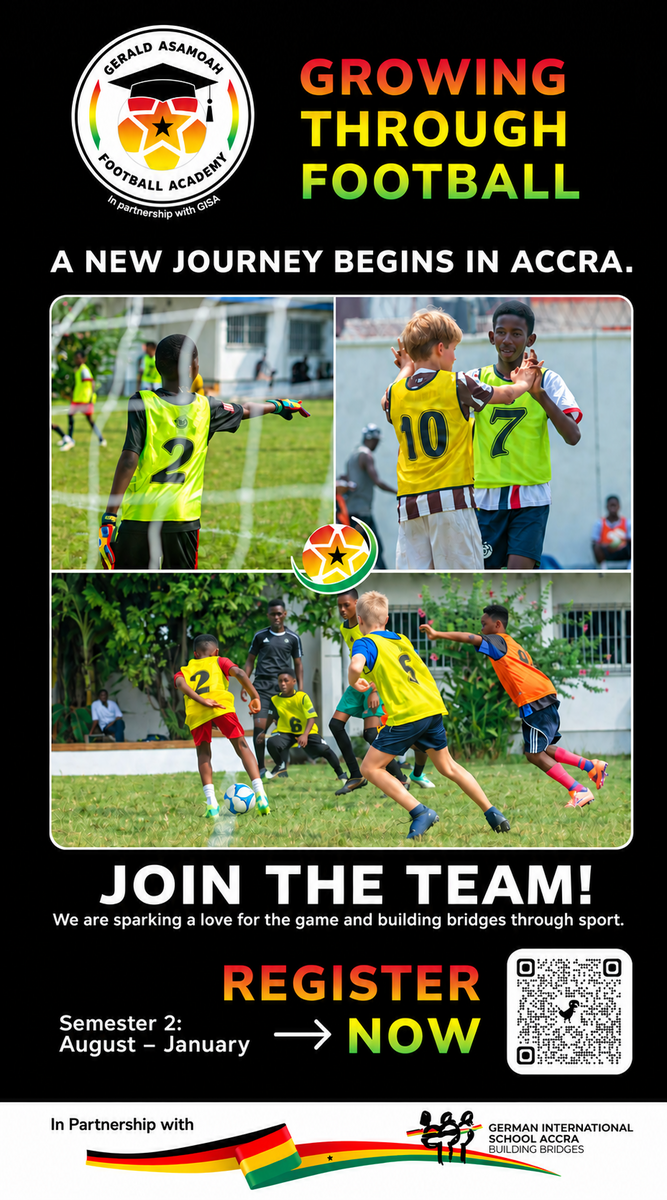
⚽Gerald Asamoah Football Academy
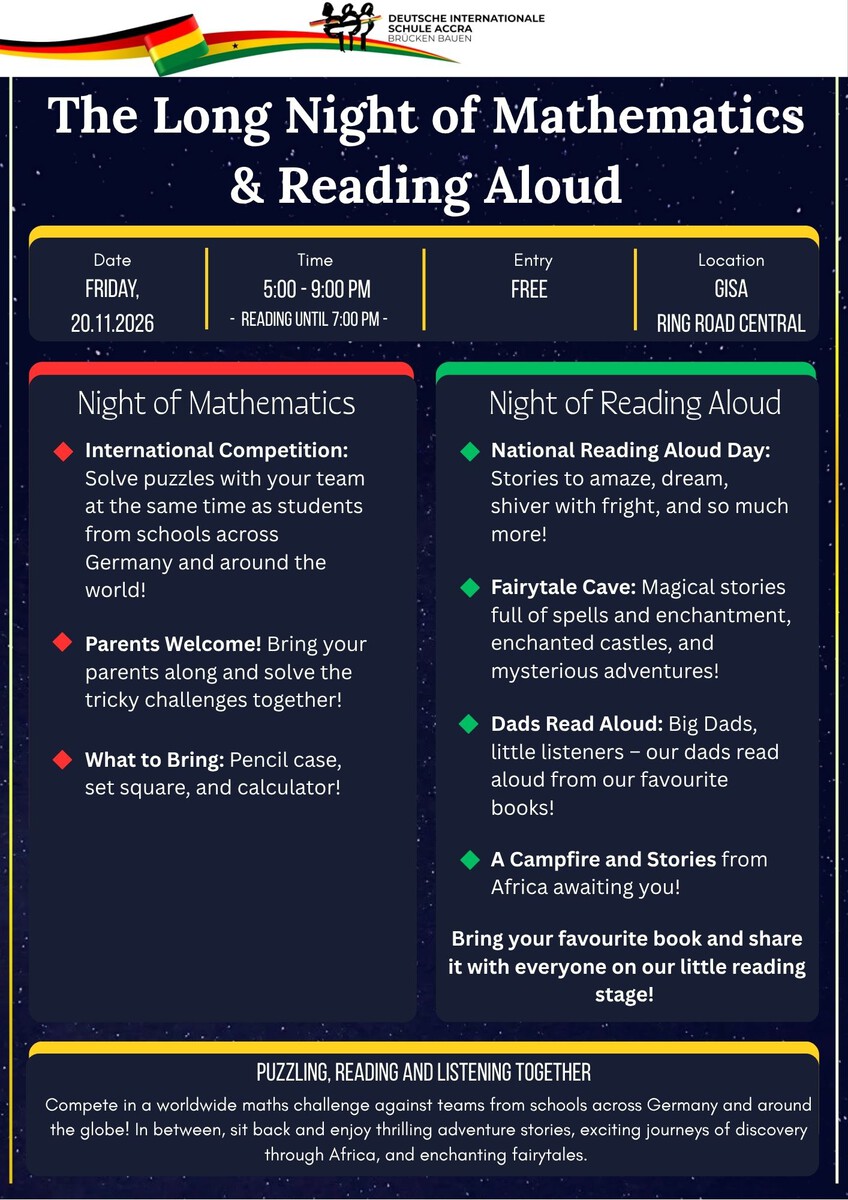
The Long Night of Mathematics & Reading Aloud
Christmas Market

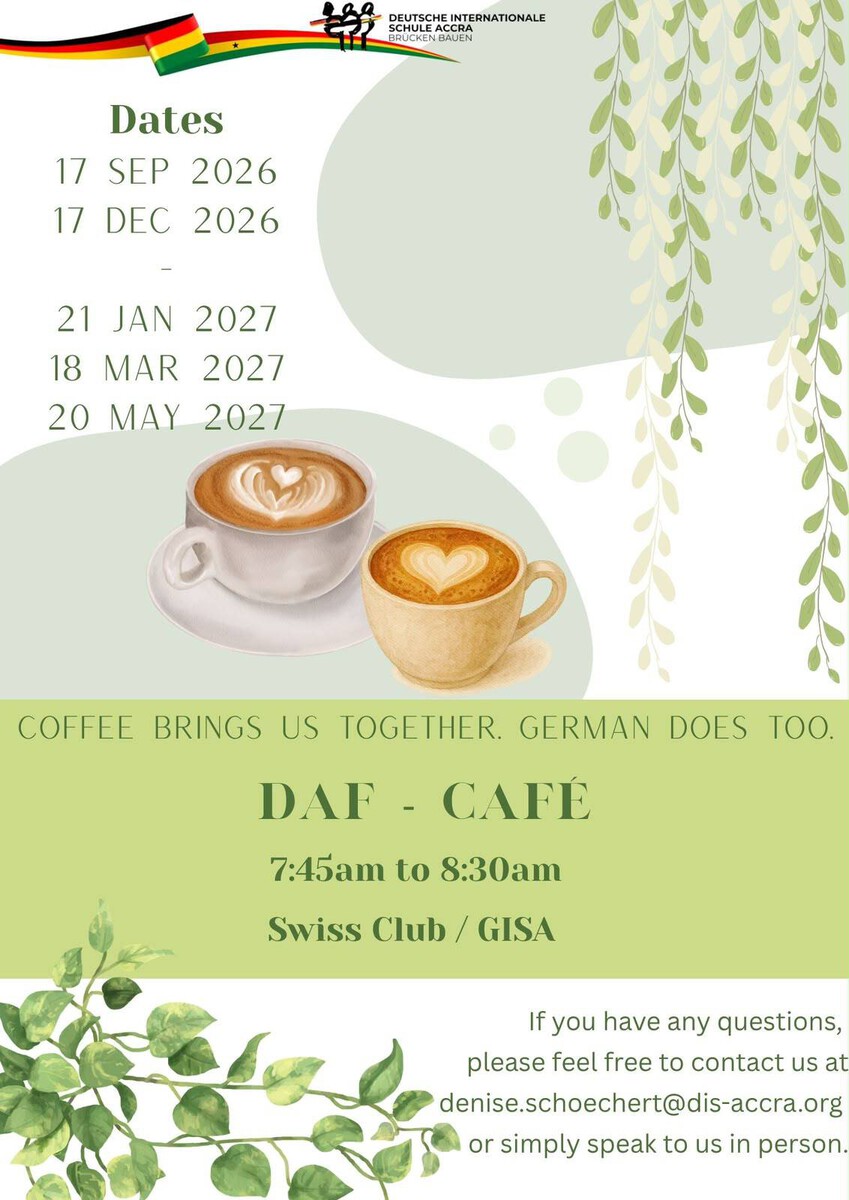
☕ DaF Café: Speaking German and Connecting Through Conversation
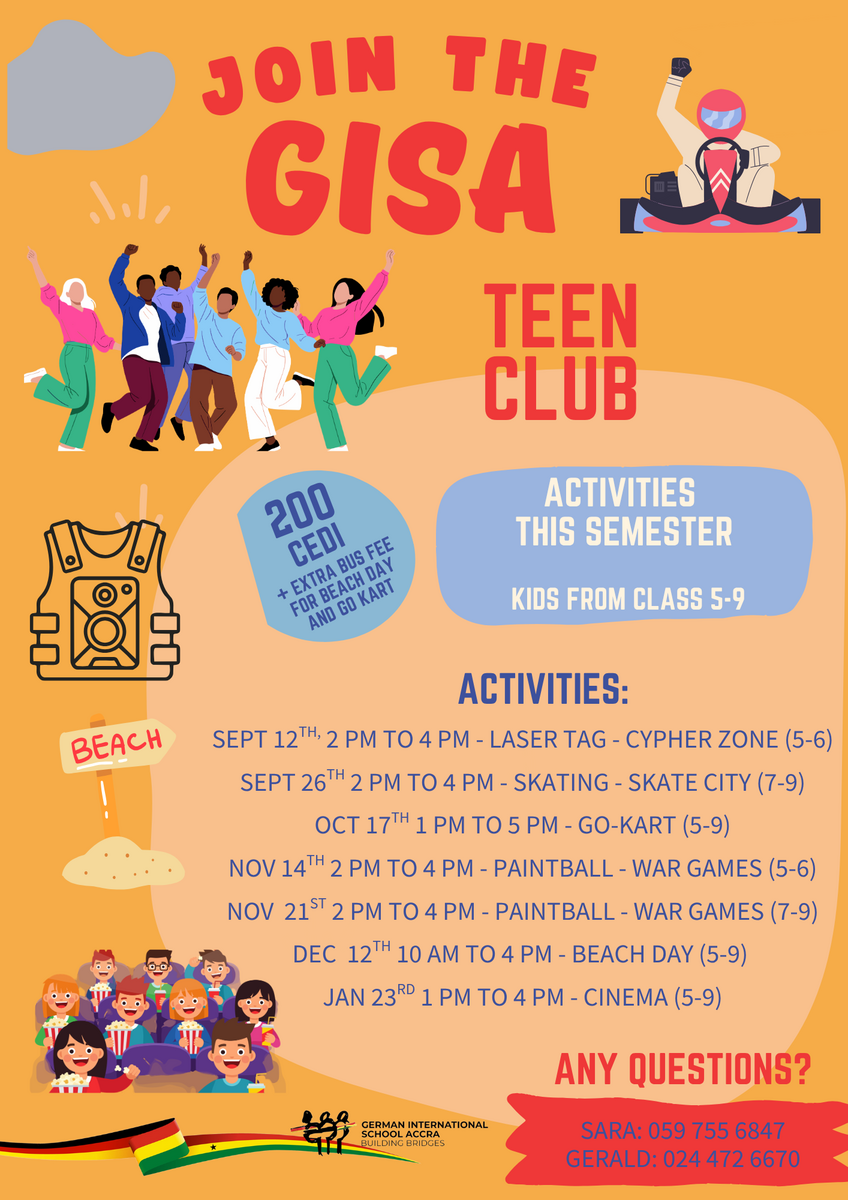
GISA Teen Club