Grade 7 – Literature, Equations, Crusades and Our Own Project Ideas


From penguins on the Ark to equations with matchboxes and all the way to Jerusalem: Grade 7 explored a wide range of topics this week. Along the way, students read, calculated, discussed, researched, designed and repeatedly changed perspective.
German – Three Penguins, Two Tickets and a Suitcase
In German, we continued reading Ulrich Hub’s “An der Arche um Acht”. Three penguins, two tickets and one suitcase – which suddenly raises the question of whether a friend might actually fit into your hand luggage.
We rewrote a theatre scene as a narrative and then compared our versions with the children’s book. This highlighted an important difference: on stage, dialogue, facial expressions and gestures reveal what is going on inside the characters. In a narrative, however, we can even look directly into the penguins’ thoughts.
Further scenes dealt with the Flood, the meaning of the rainbow and the question of how the characters think about God.
Mathematics – Equations You Can Touch
In Mathematics, matchsticks and matchboxes found their way onto the table. We used them to represent equations visually and experimented with ways of solving them.
We then transferred our observations into mathematical notation, practised equivalent transformations and solved equations step by step.
English – Building Suspense and More Complex Sentences
How might the story continue? In English, we discussed the characters and setting of a story and made predictions about what might happen in the next section.
We also examined how the order of events creates suspense. Sentence structure became more challenging as well: we learned how to combine several main clauses with at least one subordinate clause and wrote our own examples.
French – Becoming More Confident in the Present Tense
In French, the présent de l’indicatif was our main focus. We revised regular verbs ending in -er, -ir and -re and practised matching each subject pronoun with the correct verb ending.
Through practical exercises, we applied the forms and became increasingly confident in describing everyday activities in French.
Ethics – Responsibility, Fairness and Trust
In Ethics, we continued our discussions following the class trip. After previously exploring respect, honesty, ownership and personal boundaries, we worked through different learning stations this week.
By changing perspectives, we asked how the people involved might feel and how we can tell whether we really know something or are simply making assumptions. We also discussed who carries responsibility, what fair consequences might look like and how making amends can help rebuild trust.
Social Studies – Ideas for Chance for Children
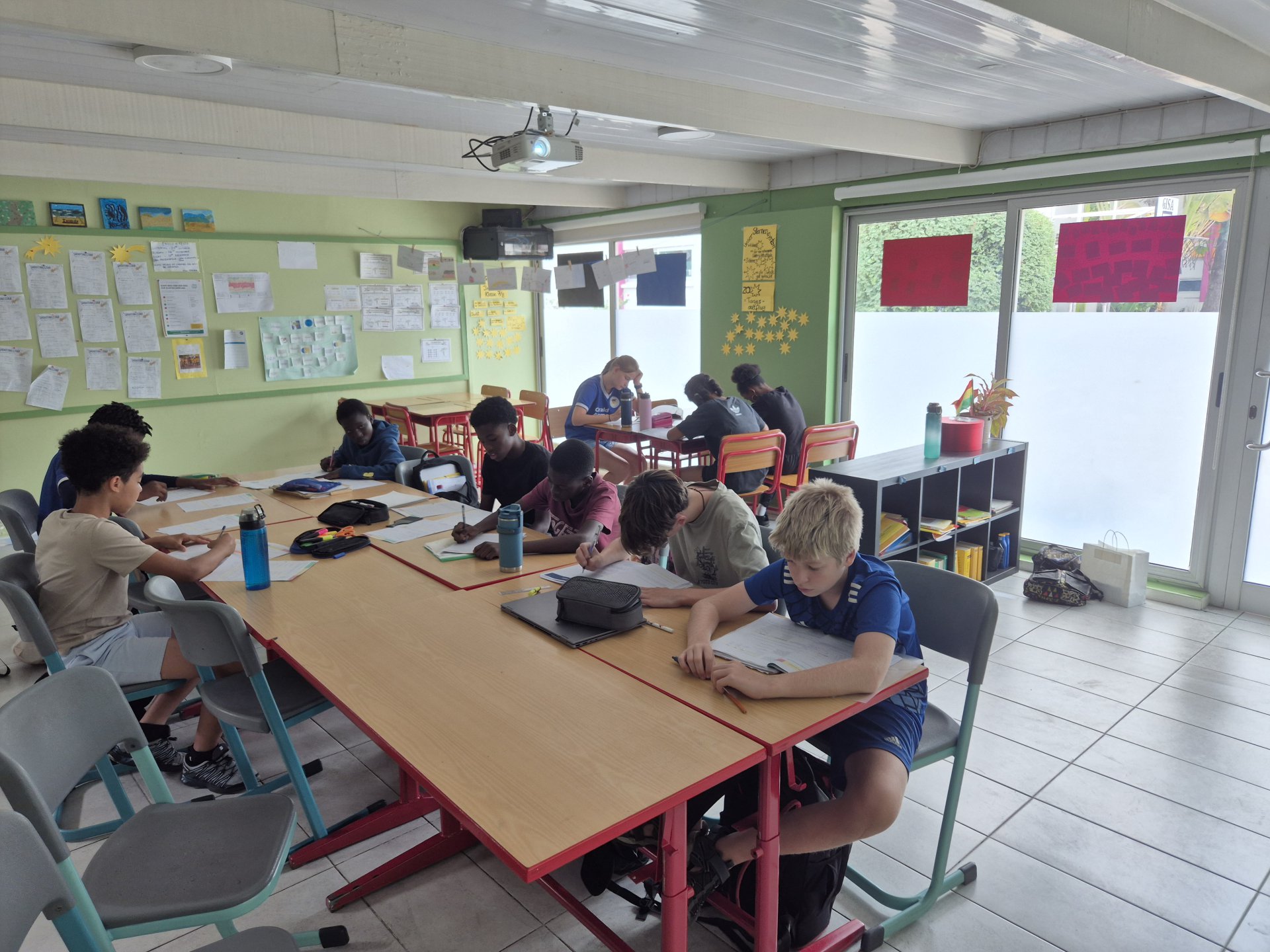
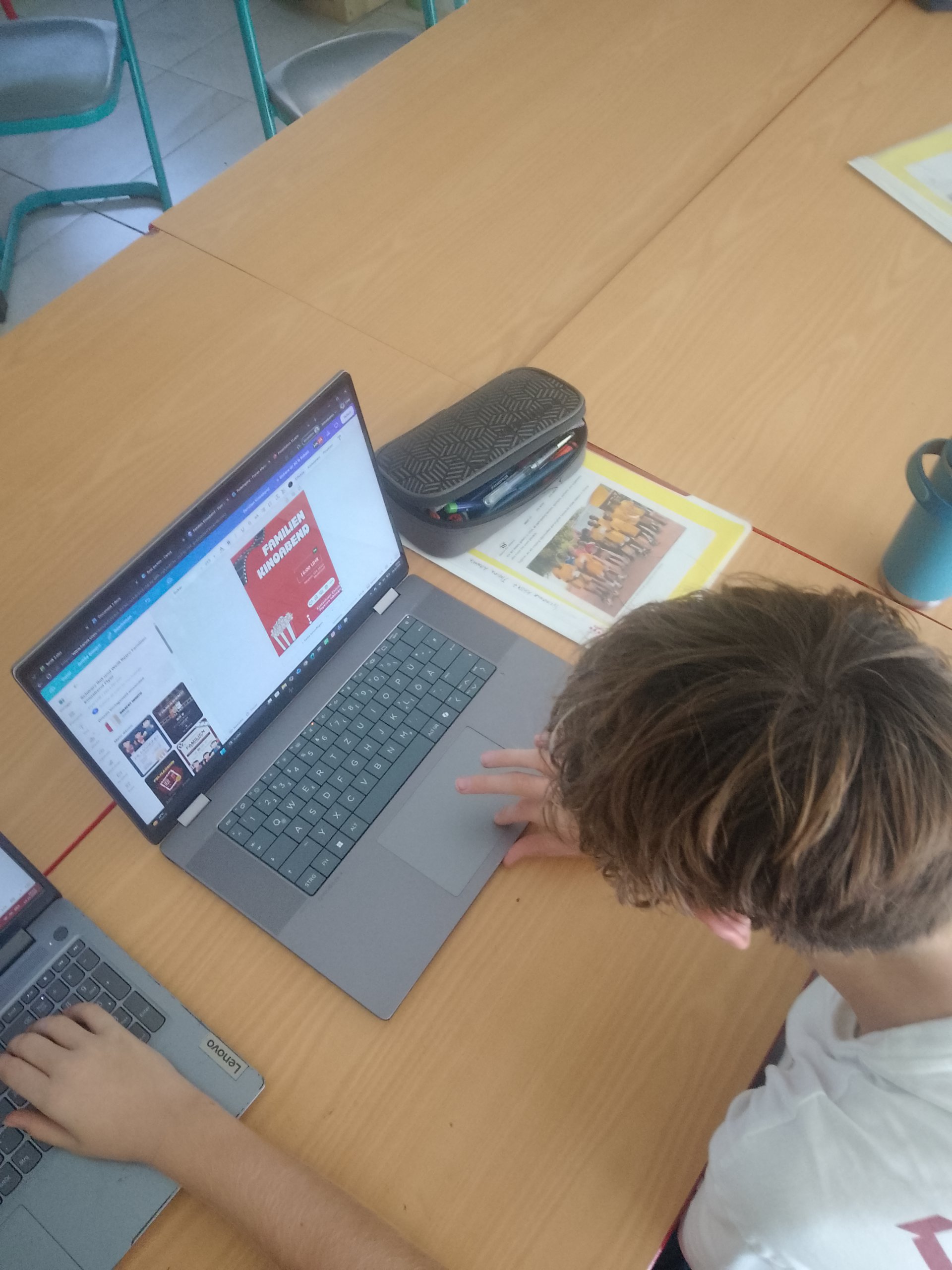
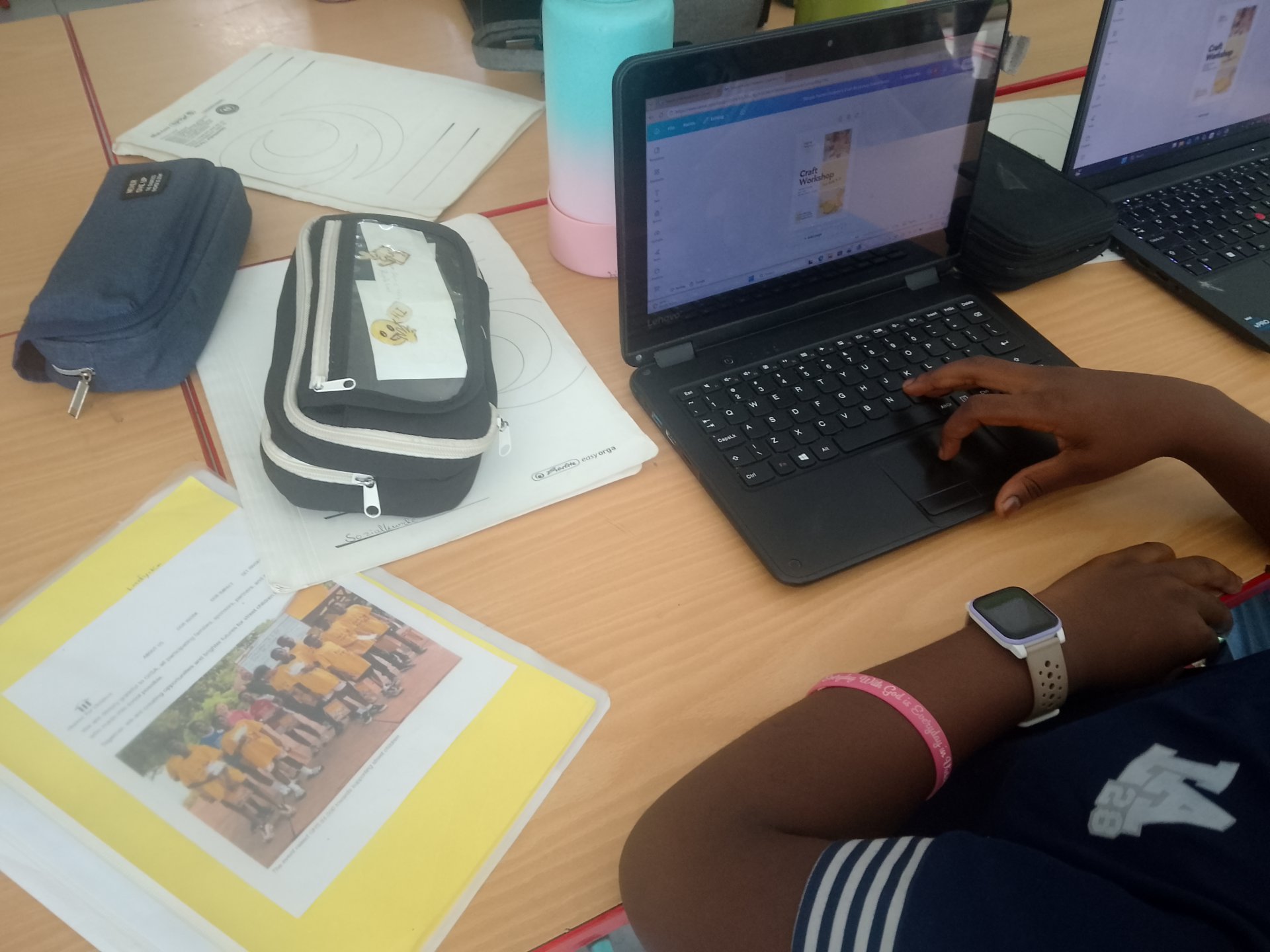
In Social Studies, we returned to our project workshop for Chance for Children. Each group reviewed its ideas once more and selected the proposal that convinced them most.
Then it was time to get creative: the first flyers and posters were designed to present the students’ project ideas.
Geography – Between the Coast and the Interior
Together with Grade 8, Grade 7 drew climate diagrams and assigned them to different climate zones.
A particularly interesting focus was the temperate zone of Europe. By comparing different locations, we examined maritime and continental climates and discovered that temperatures fluctuate much more strongly throughout the year inland than they do near the coast.
Biology – From Apple Snails to Butterflies
Our presentation series on invertebrates concluded with the apple snail. Students listened carefully, answered questions about the content and gave the presenter reasoned feedback.
We then moved on to butterflies. Using them as an example, we explored the typical characteristics of insects and followed their development from egg to caterpillar, pupa and finally butterfly. A short test will show what students have retained from the presentation series.
History – From Canossa via Clermont to Jerusalem
This week, History took us from Canossa via Clermont all the way to Jerusalem.
After exploring the power struggle between pope and emperor, we examined Pope Urban II’s call and asked why people chose to join a crusade for very different reasons.
We also investigated why Jerusalem holds such special significance for Judaism, Christianity and Islam. In doing so, political and religious motives were considered alongside different historical perspectives on one of the world’s most important cities.
Physical Education – Reacting Quickly and Working as a Team
Running and team games kept everyone moving in Physical Education. Speed and stamina were just as important as good cooperation.
“Reverse Dodgeball” was particularly popular: students had to dodge skilfully, react quickly and still keep an eye on the whole team.
Once again, this week showed just how varied learning in Grade 7 can be – spanning literature and mathematics, social questions and history, science, languages and plenty of active participation.
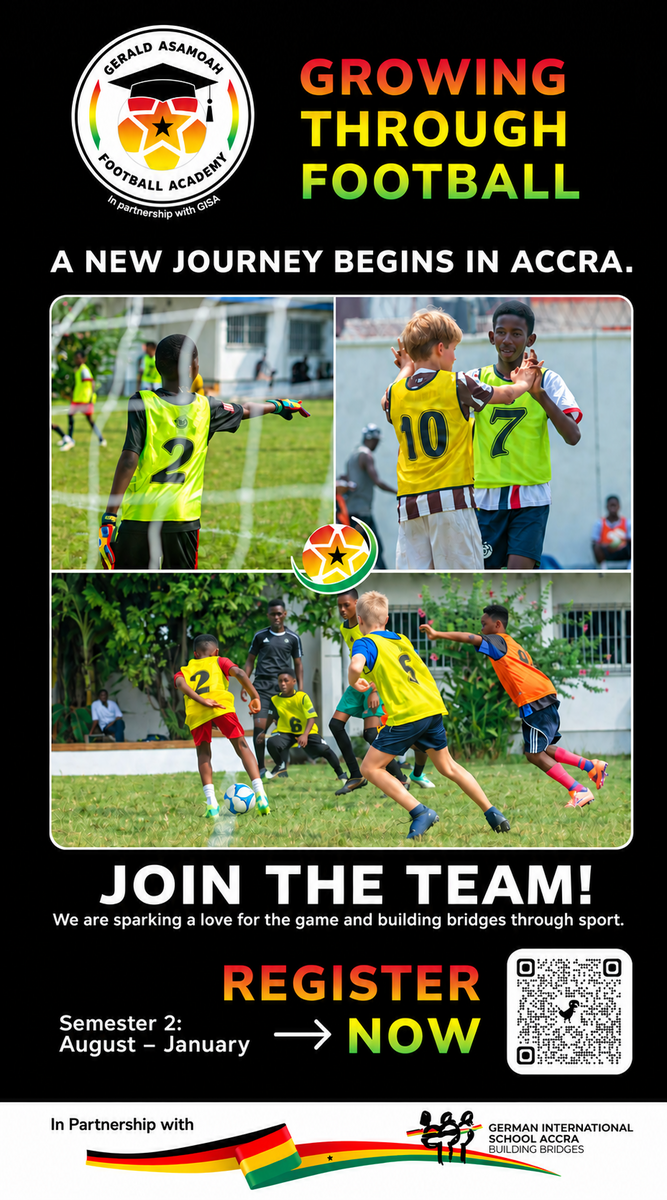
⚽Gerald Asamoah Football Academy
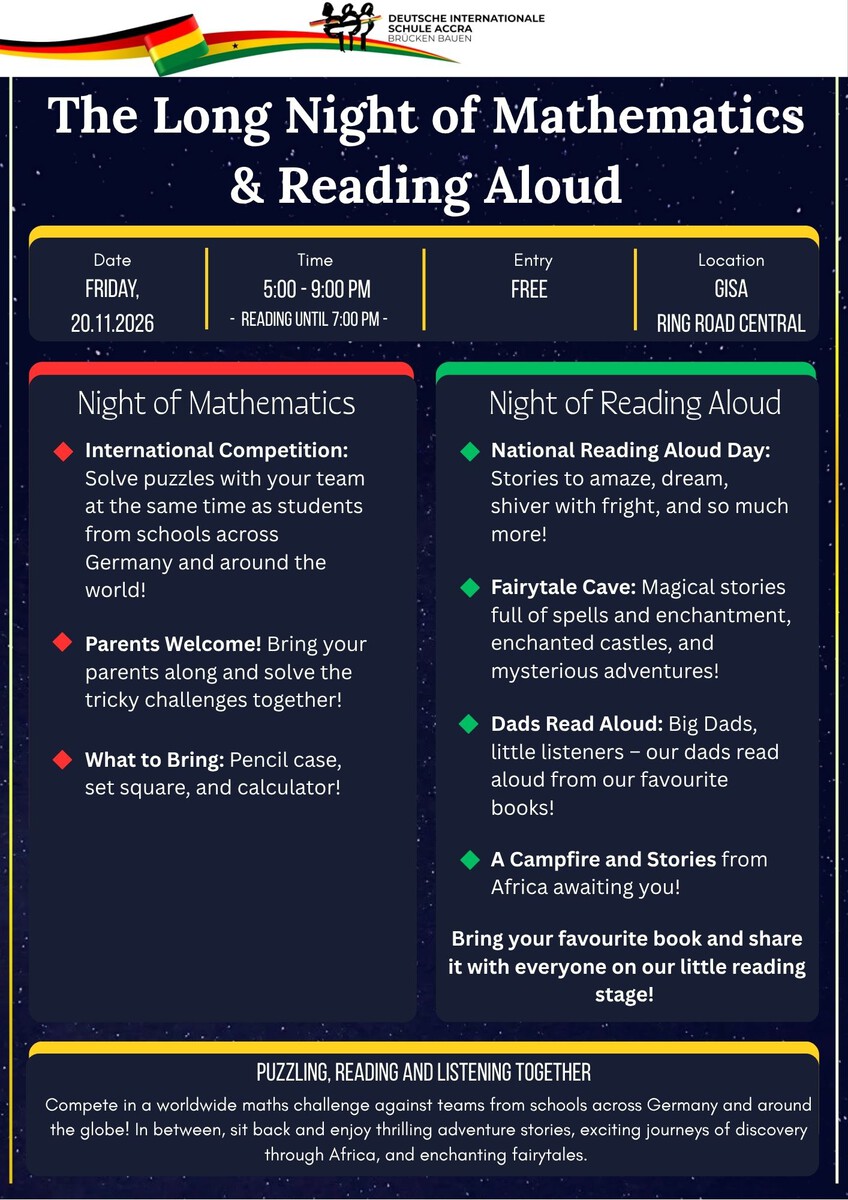
The Long Night of Mathematics & Reading Aloud
Christmas Market

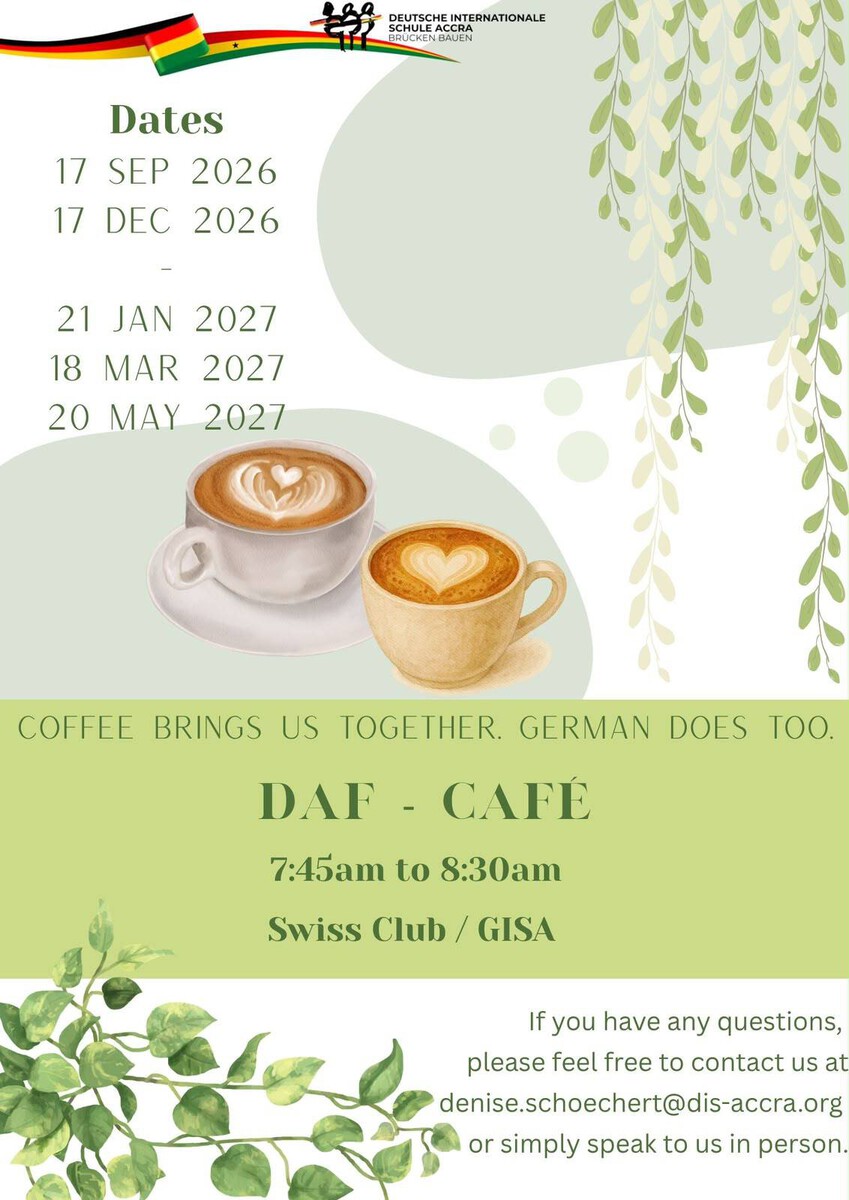
☕ DaF Café: Speaking German and Connecting Through Conversation
GISA Teen Club