History through action: Grade 9 explores the First World War in a role-play and strategy game


How does our understanding of history change when students do not only read about decisions, but have to make them themselves? That was the guiding question in a special History lesson in Grade 9. The focus was on the First World War – this time not only through textbook work, texts and discussion, but through an interactive role-play and strategy game.
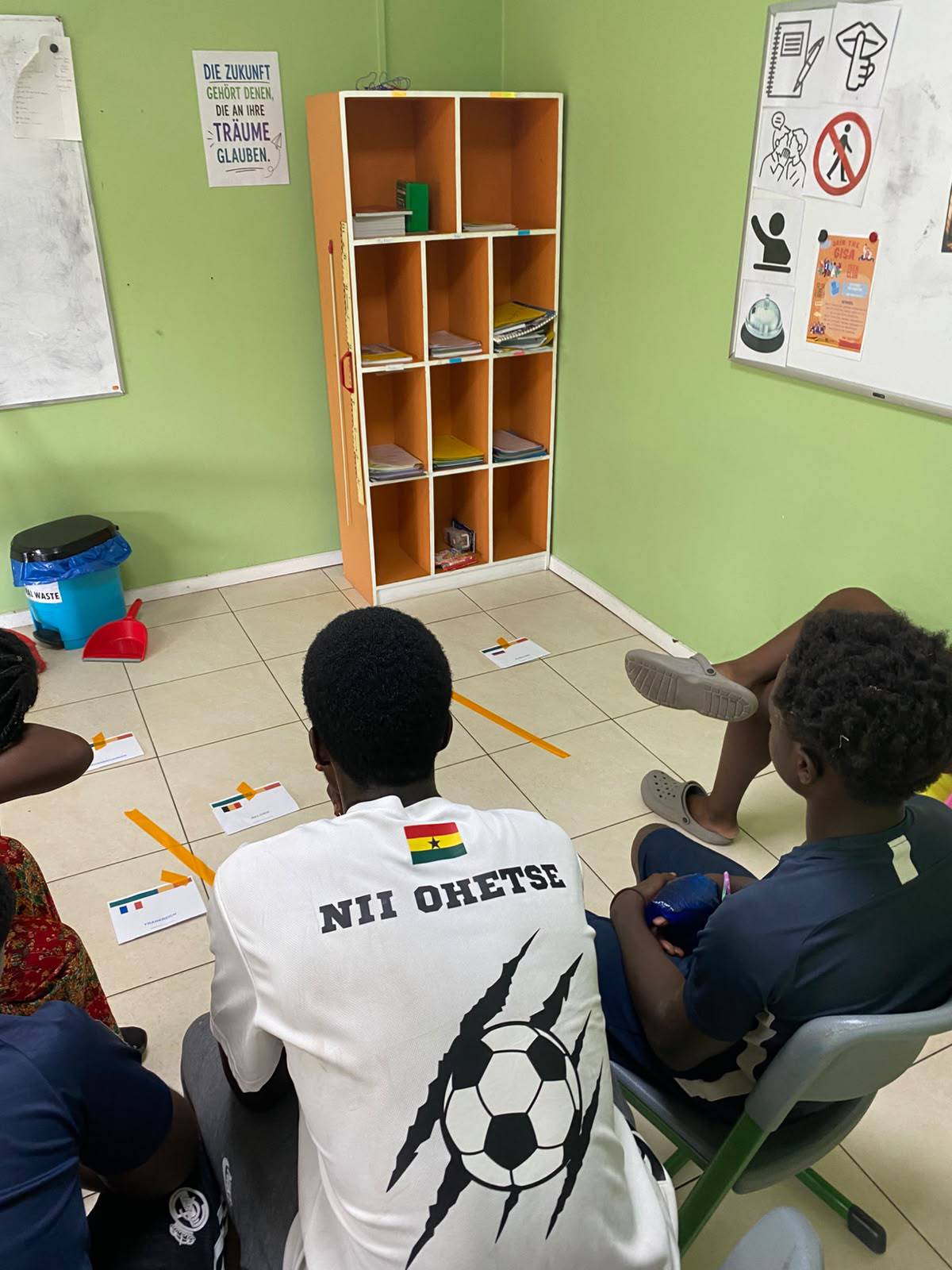
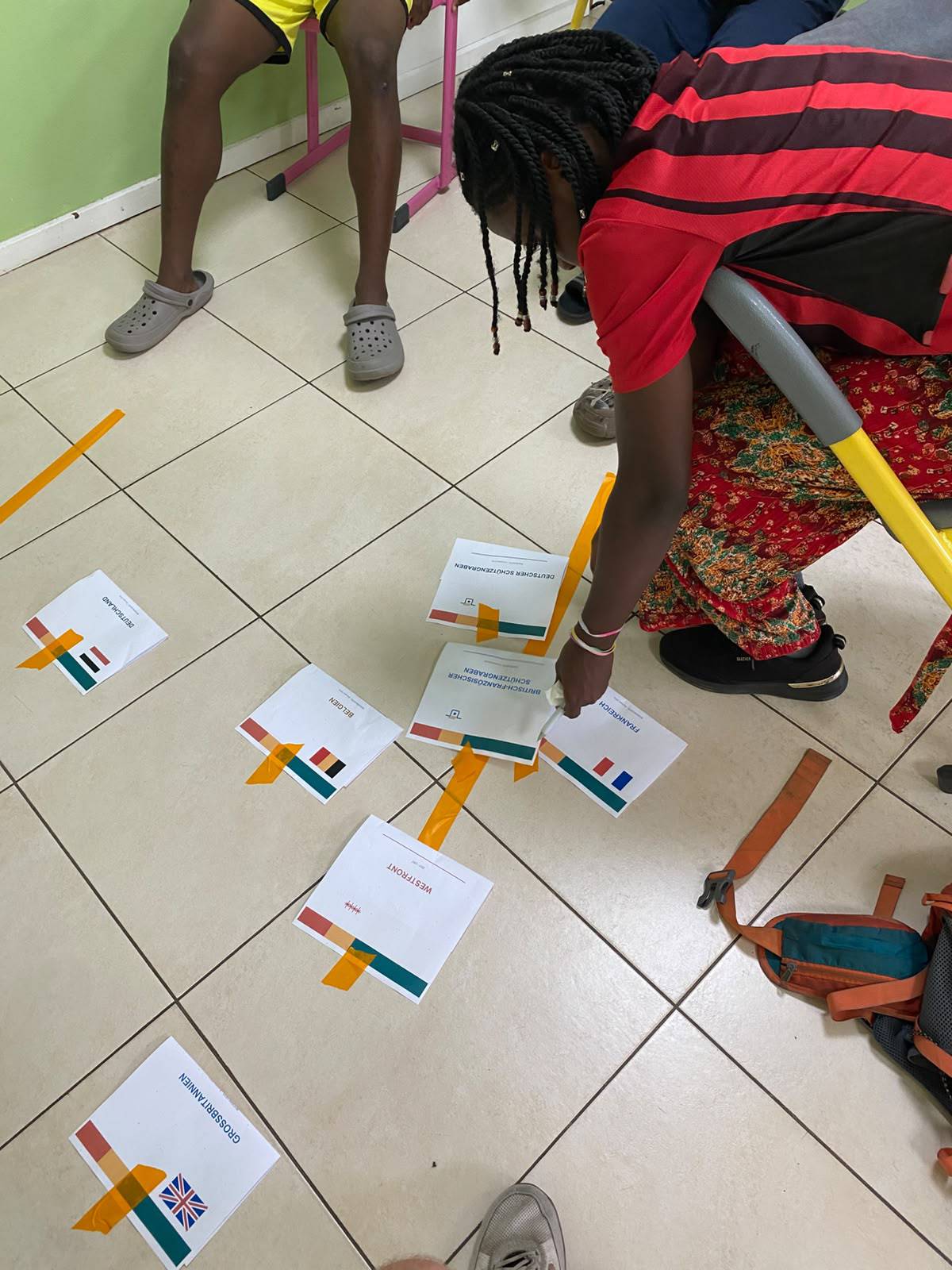
Step by step, the classroom was transformed into a historical playing field. Countries such as Germany, France, Belgium and Great Britain were assigned positions, lines on the floor marked movements and front developments, and symbolic trench areas on the Western Front took shape. The students took on different roles and had to respond to changing situations, move their positions and make strategic decisions.
Very quickly, it became clear that historical events are rarely shaped by one single decision. Alliances, military planning, political interests and the actions of other players all influenced the room for manoeuvre. What may seem straightforward on a map developed its own momentum in the game. Every decision had consequences for several sides.
This was exactly what made the lesson so engaging. The class had to observe closely, discuss, weigh up options and develop strategies together. In this way, history became not only something to follow chronologically, but something that could be experienced spatially and directly. Terms such as “Western Front” or “trenches” were no longer abstract concepts, but gained a visible and tangible meaning in the room.
At the same time, the role-play and strategy game prepared the ground for the next stage of learning. From the major political and military decisions, the focus will now shift more and more to the people who experienced the war at the front – and to those remarkable moments when, even in the midst of war, unexpected human encounters became possible.
It was a History lesson that showed very clearly: learning is especially powerful when students do not only read about the past, but discover connections for themselves, understand the complexity of decisions and reflect on them critically afterwards.

⚽Gerald Asamoah Football Academy
🇩🇪 German Language Day

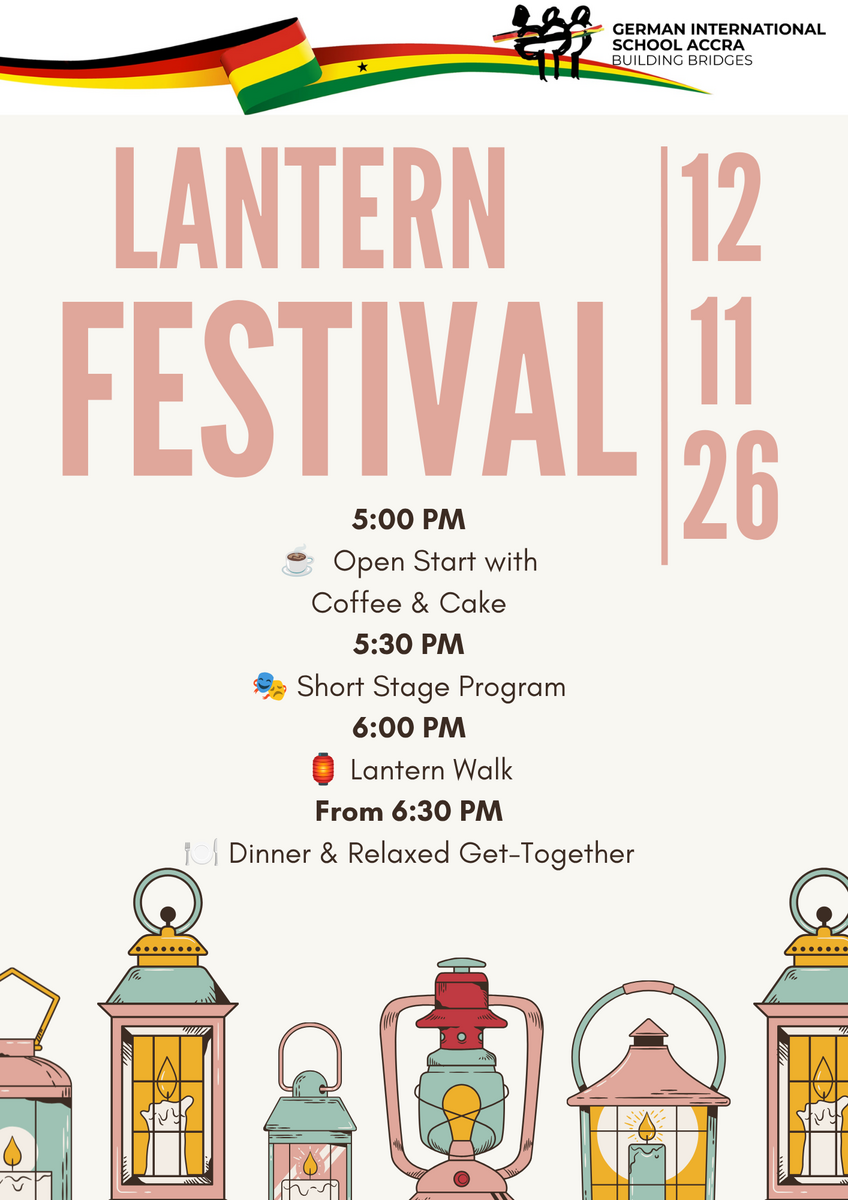
Lantern Festival
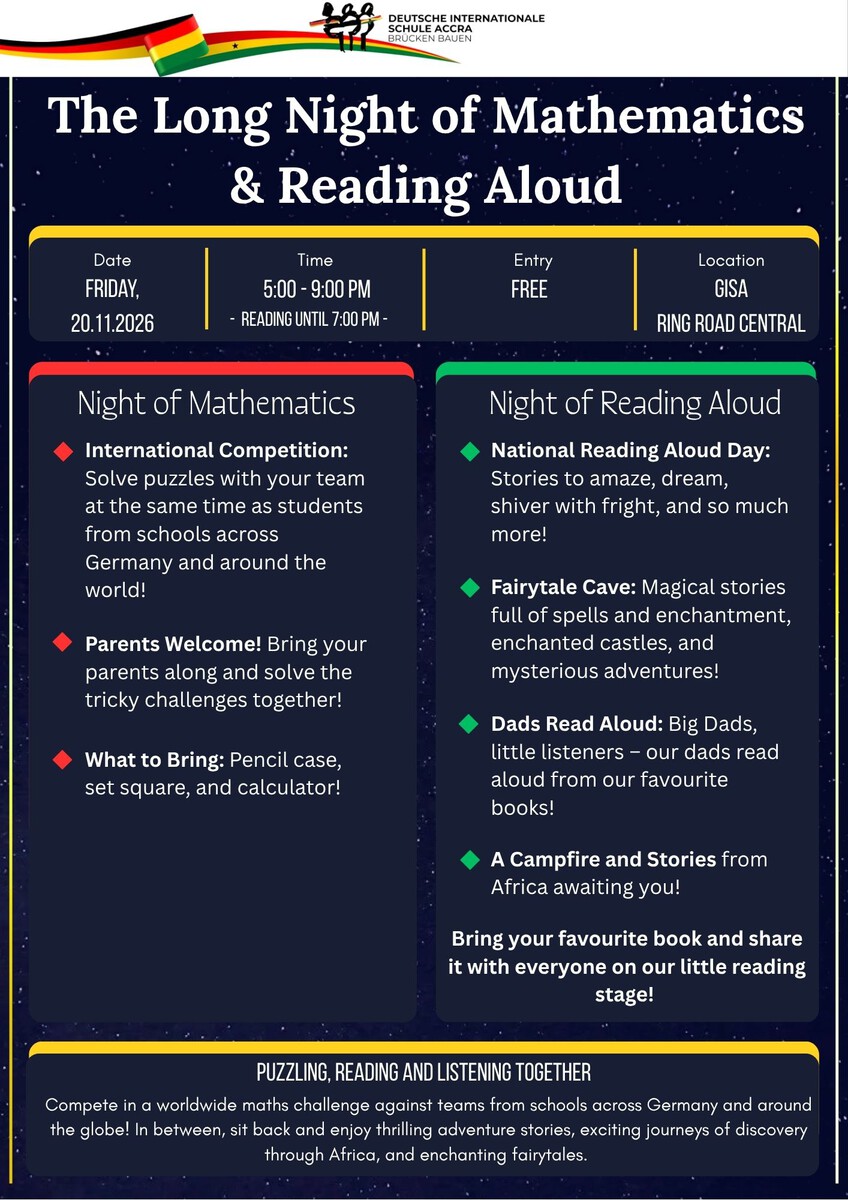
The Long Night of Mathematics & Reading Aloud
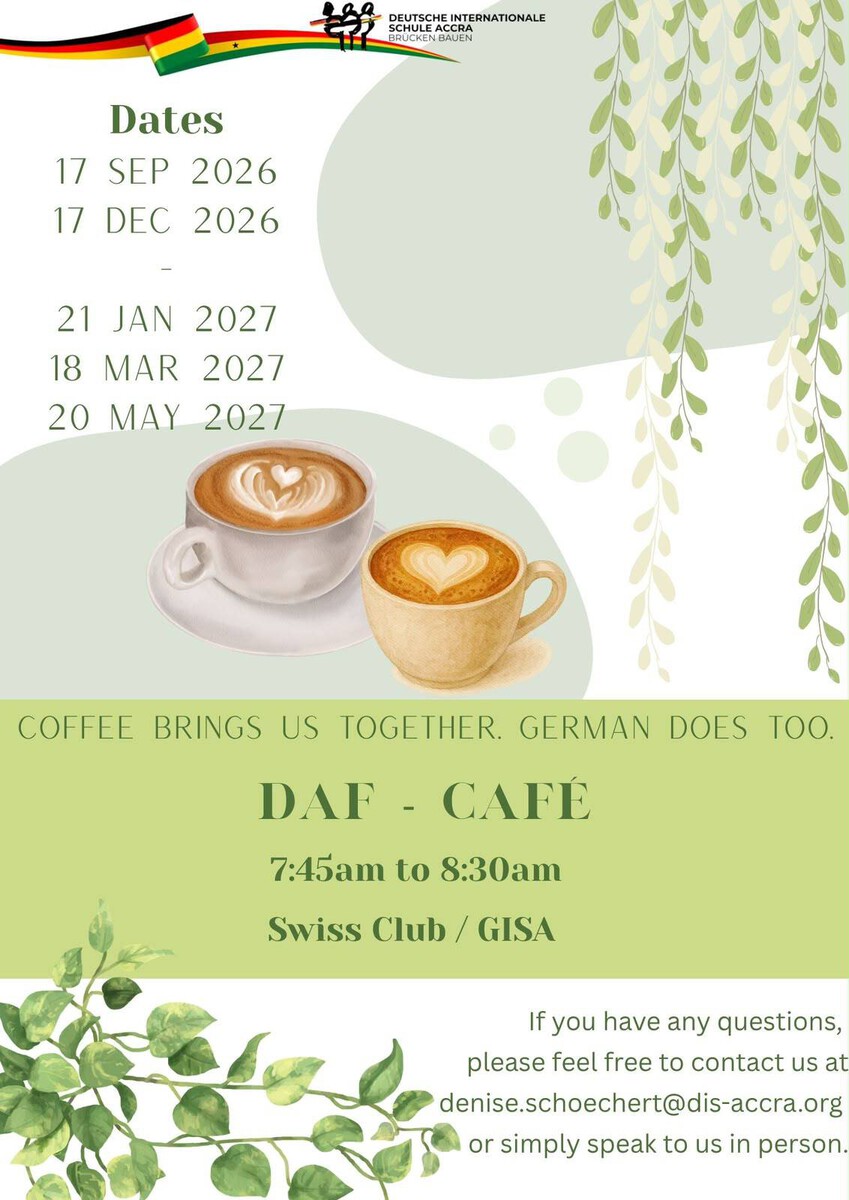
☕ DaF Café: Speaking German and Connecting Through Conversation
GISA Teen Club