Making History Visible: Our Timeline Keeps Growing


When exactly was Ancient Greece? How many centuries separate Charlemagne from the German Empire? And how can different historical topics be connected to one another?
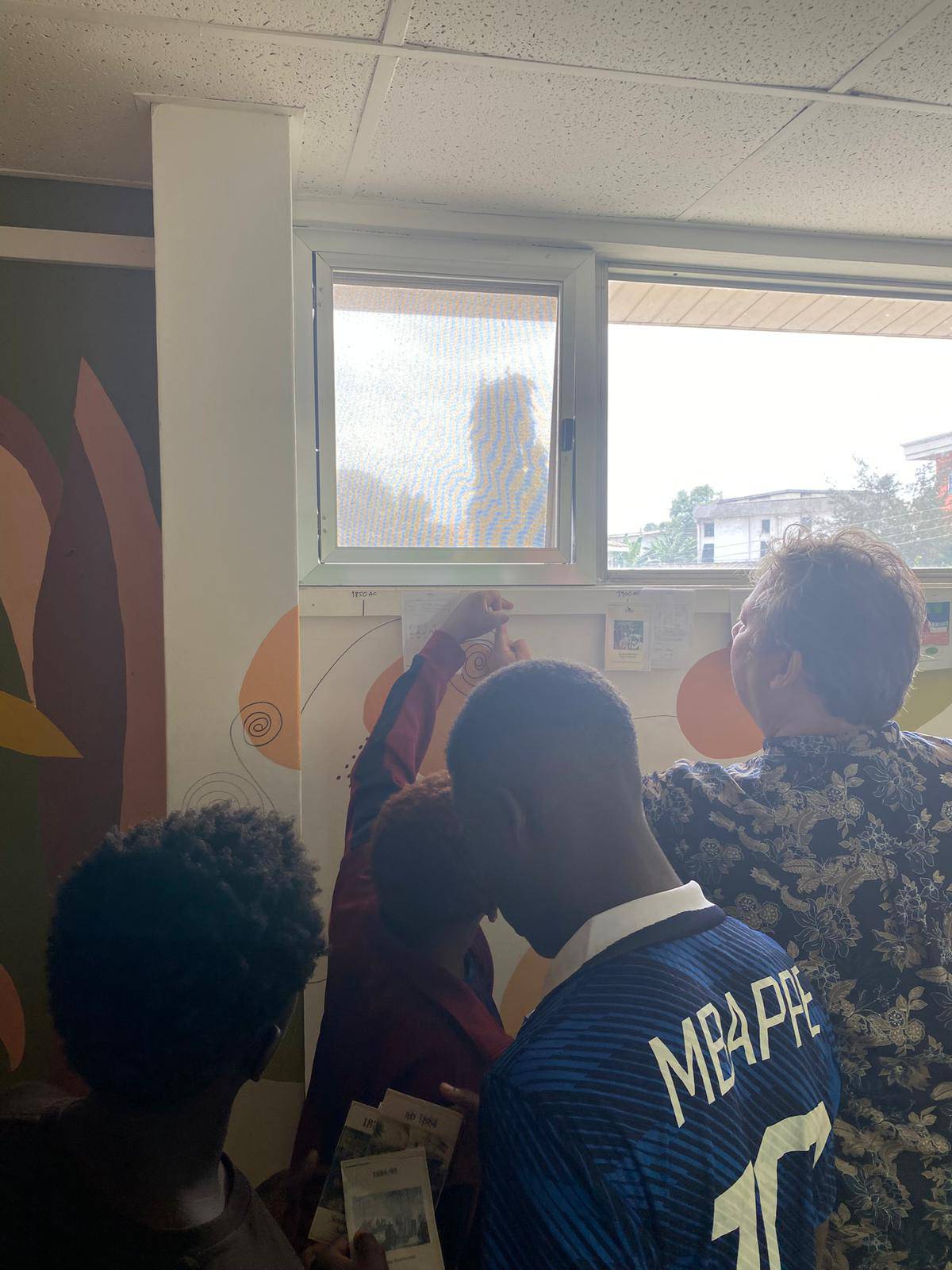
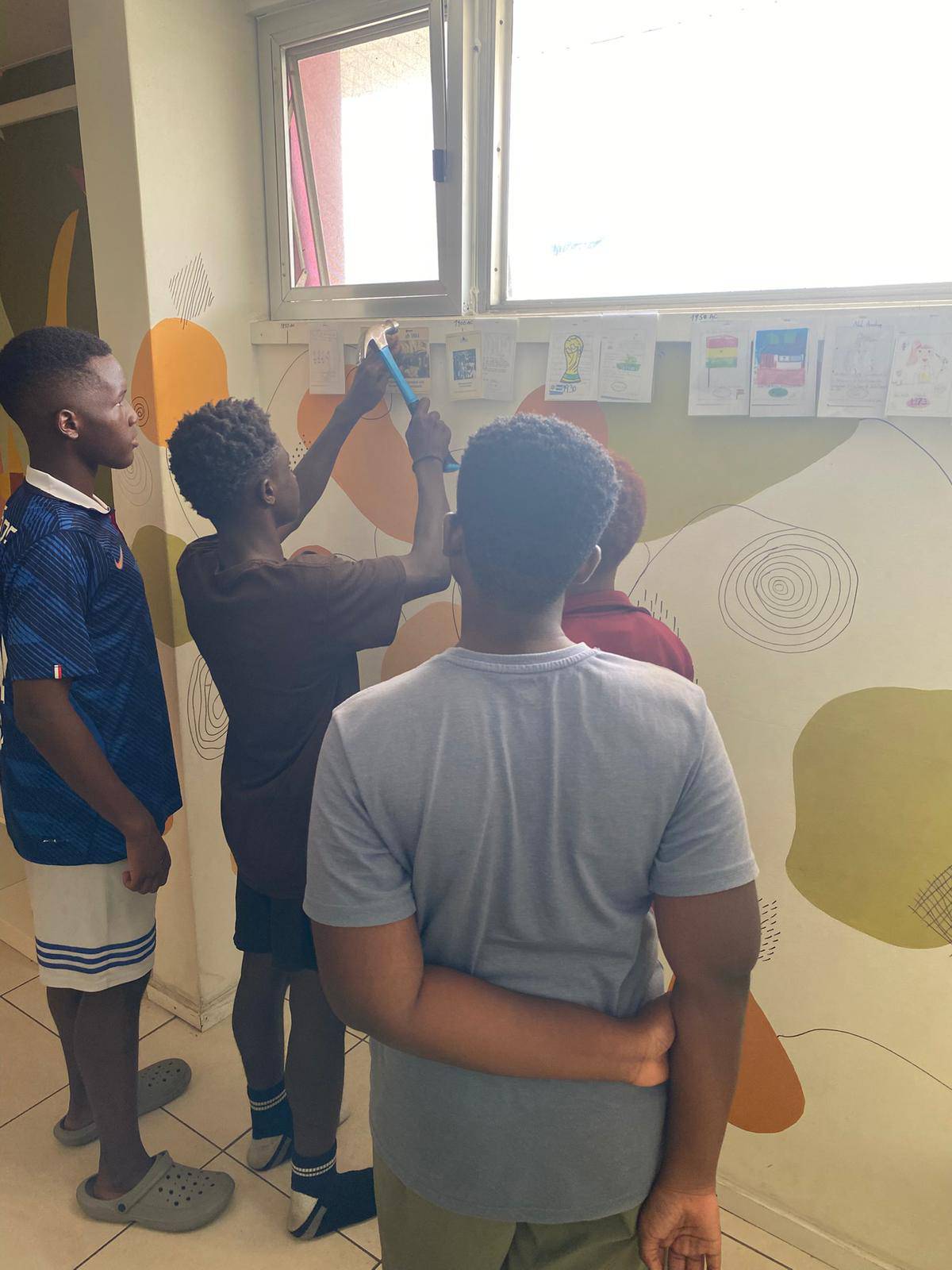
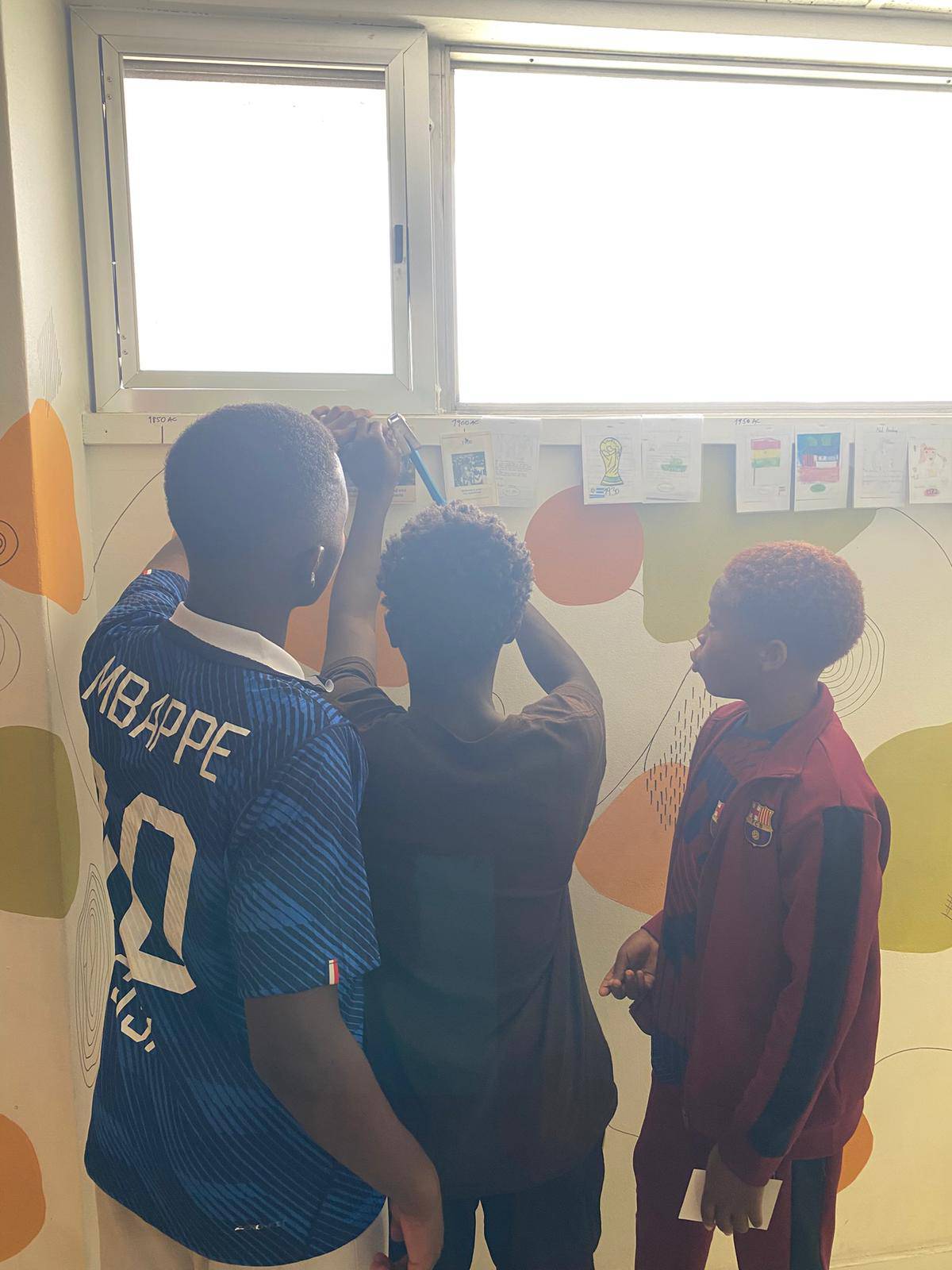
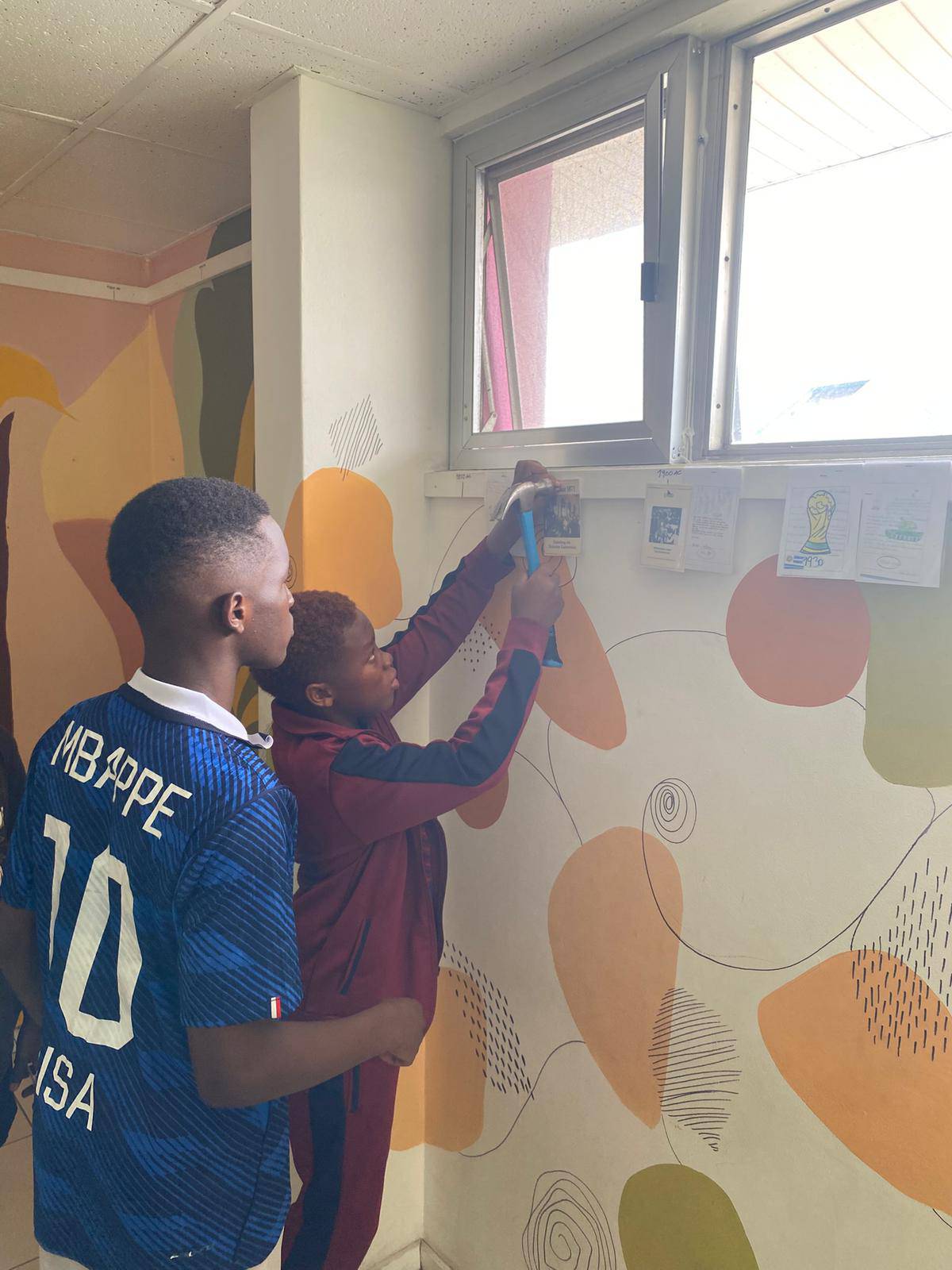
Since the beginning of the school year, a shared timeline has been taking shape along the corridor of our Secondary School. Starting around 1000 BC, historical events, people and periods are placed in chronological order – at a scale of one metre for every 100 years. From 1000 BC to the present day, the timeline therefore stretches for around 30 metres along the corridor.
The timeline is much more than a collection of dates. It makes historical periods visible and gives students a concrete sense of time and distance. Large spans of time can be difficult to imagine, especially for younger learners. The scale of the timeline helps students see what came earlier or later, how many centuries separate different events, and how individual topics fit into a broader historical context.
Students create their own cards and illustrations and place them at the appropriate point on the timeline. In this way, developing a sense of chronology becomes a shared and highly visual learning experience.
Since the start of the school year, Ancient Greece has already been added by Grades 5/6, Charlemagne by Grades 7/8, and the German Empire by Grade 9.
With every new topic, the timeline in the corridor continues to grow – and with it our students’ understanding that history is not made up of isolated chapters, but of developments, changes and connections across many centuries.
Mit jedem neuen Unterrichtsthema wächst der Zeitstrahl im Koridor weiter – und mit ihm die Vorstellung davon, dass Geschichte nicht aus einzelnen, voneinander getrennten Kapiteln besteht, sondern aus Entwicklungen, Veränderungen und Zusammenhängen über viele Jahrhunderte hinweg.
⚽Gerald Asamoah Football Academy

🇩🇪 German Language Day

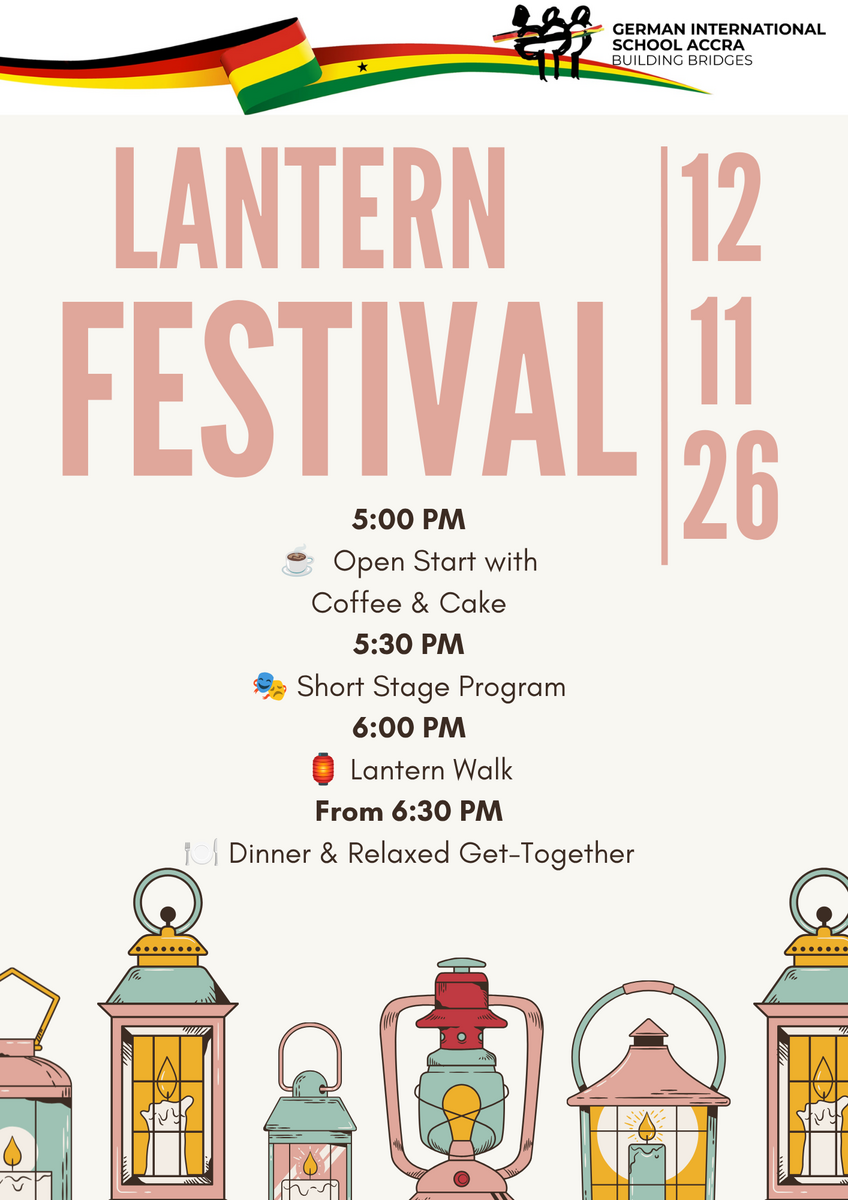
Lantern Festival
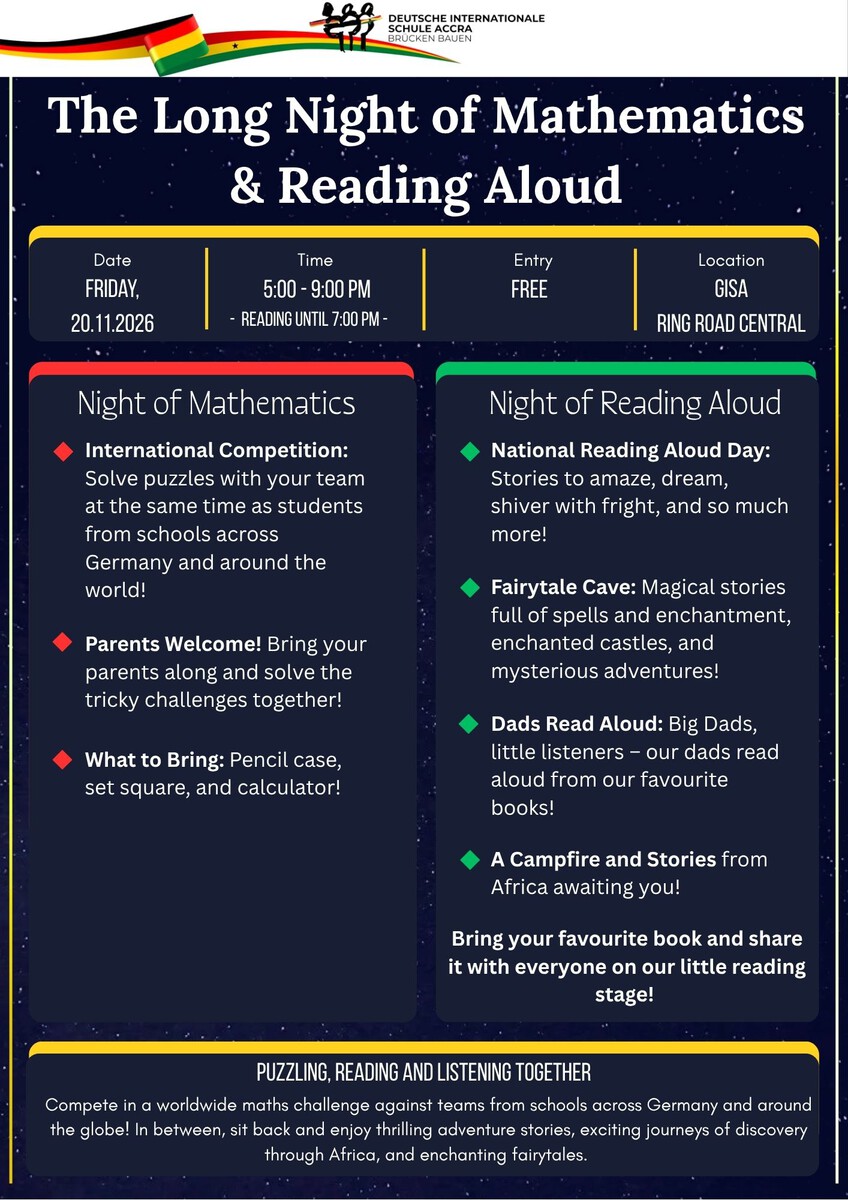
The Long Night of Mathematics & Reading Aloud
☕ DaF Café: Speaking German and Connecting Through Conversation

GISA Teen Club