Bringing History to Life: A Year on a Medieval Farm


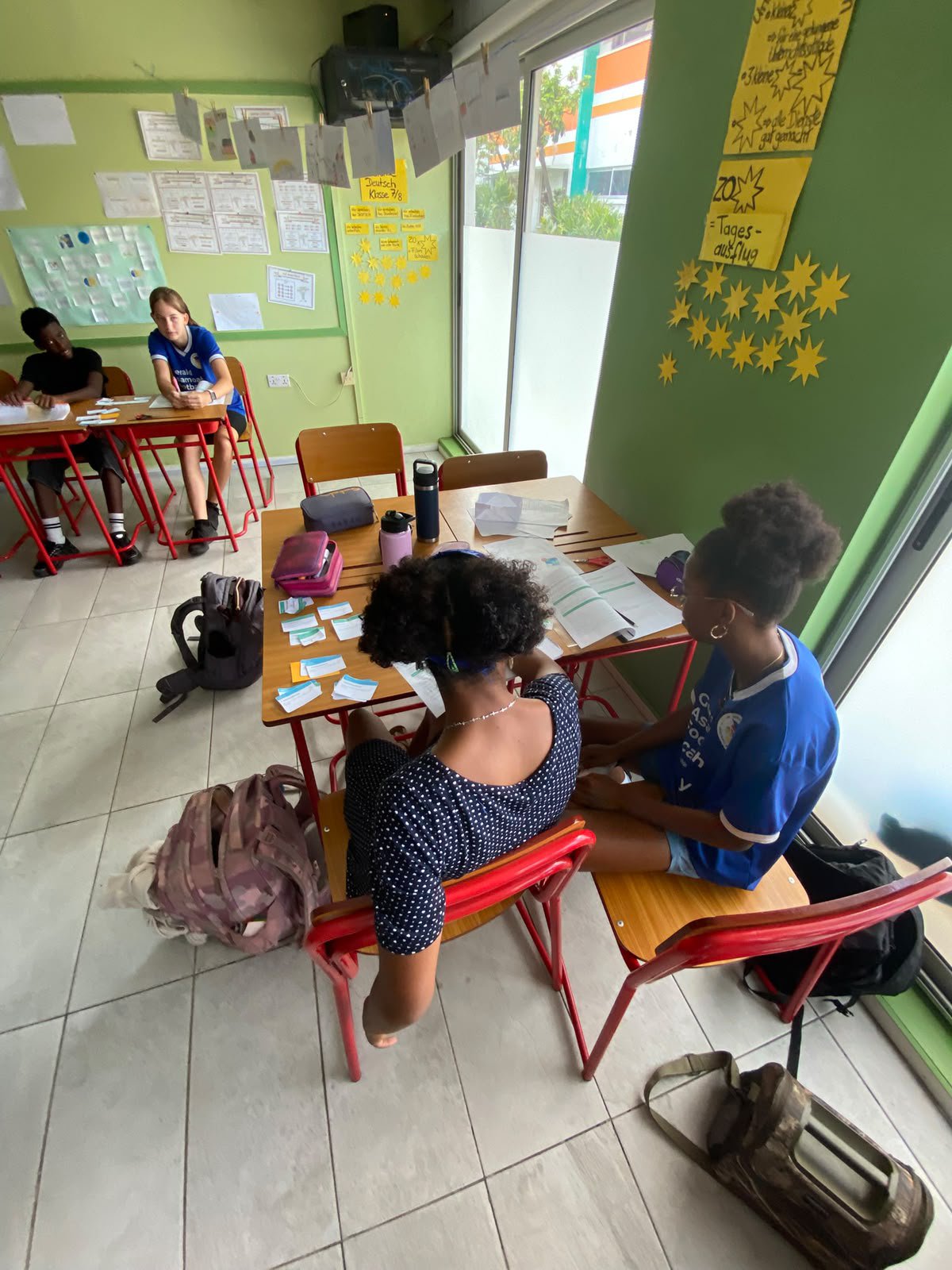
What was life like for peasants in the Middle Ages – and what did it really mean to depend on a lord? In today’s double history lesson in Grades 7/8, students explored this question not only through texts and images, but first of all through experience.
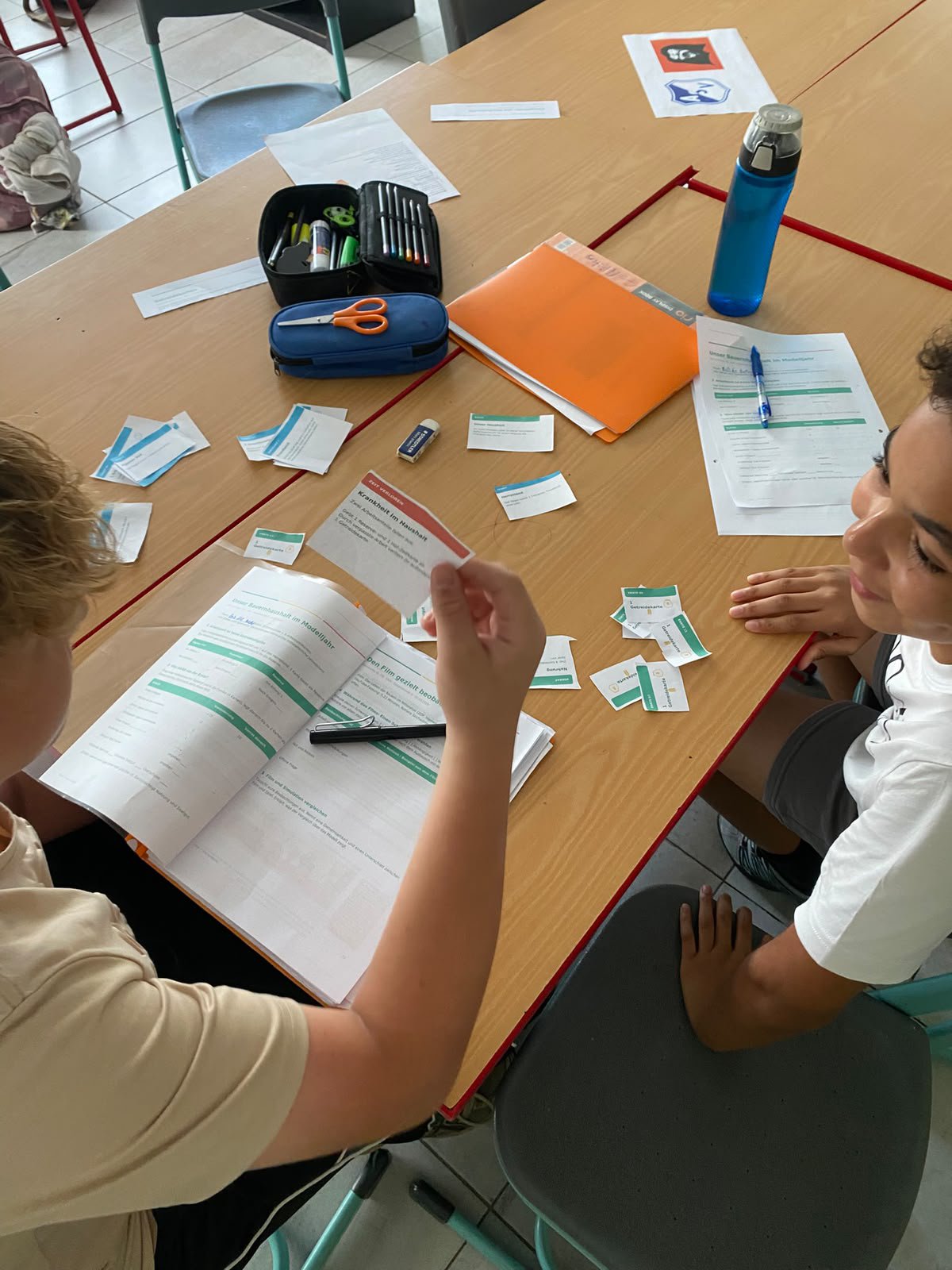
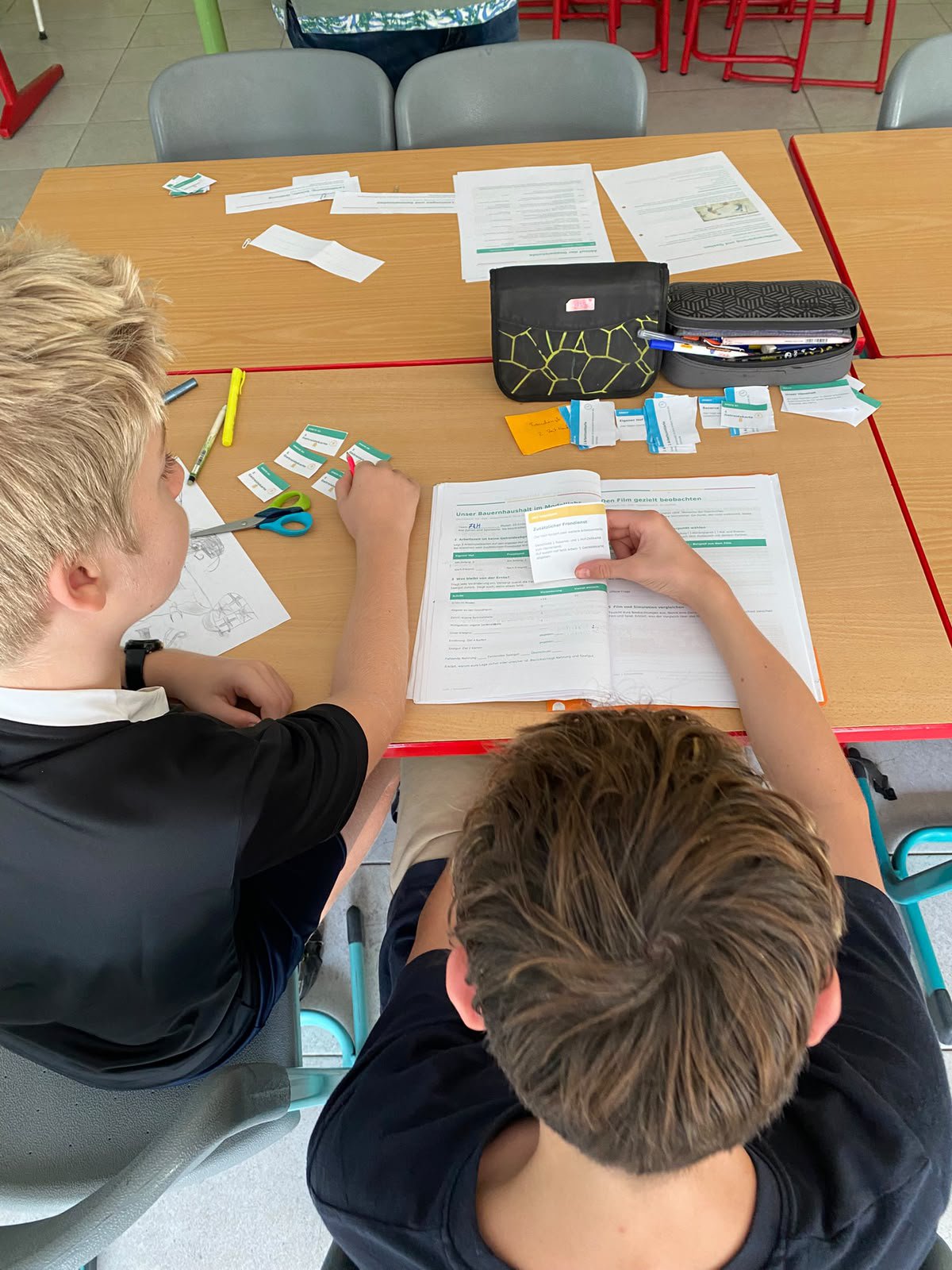
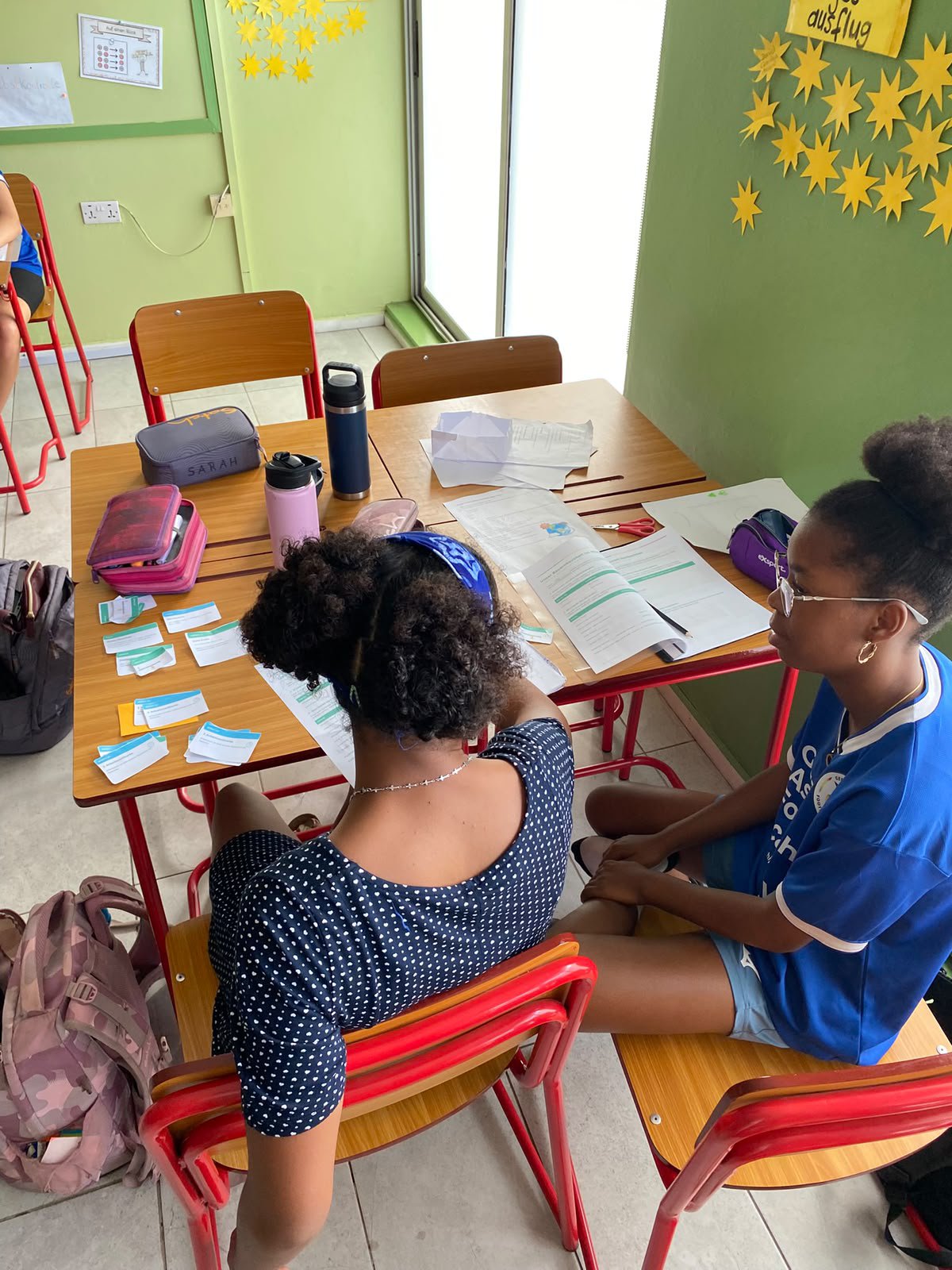
At the centre of the lesson was the simulation game “A Year on the Farm”. Working in small teams, the students took on the roles of medieval farming families. They had to divide their limited working time between their own farm and compulsory labour on the lord’s land, hand over parts of their harvest as dues to the lord, pay the tithe and a mill fee, while still keeping enough grain to feed the family and provide seed for the next harvest.
It quickly became clear how uncertain life could be. Poor weather, illness or additional compulsory labour could seriously disrupt a household’s careful planning, while a good harvest provided some welcome breathing space. Through the game, key terms such as manorialism, compulsory labour, dues, tithe and demesne land became much more tangible.
After the simulation, the students critically examined their own experience. A short film about peasant life in the Middle Ages, together with historical images and factual texts, helped them compare the model with historical reality. This was an important part of the lesson: a game can make historical relationships visible and understandable, but it always simplifies the past.
One central question was therefore: Were medieval peasants generally unfree? The students worked out that economic dependence and personal unfreedom were not the same thing. Not all peasants had the same legal status, and rights, duties and burdens varied depending on place and time.
In this way, the double lesson combined active learning with source work, historical thinking and reasoned judgement. History was not only read about, but experienced in a model, questioned and explained together.
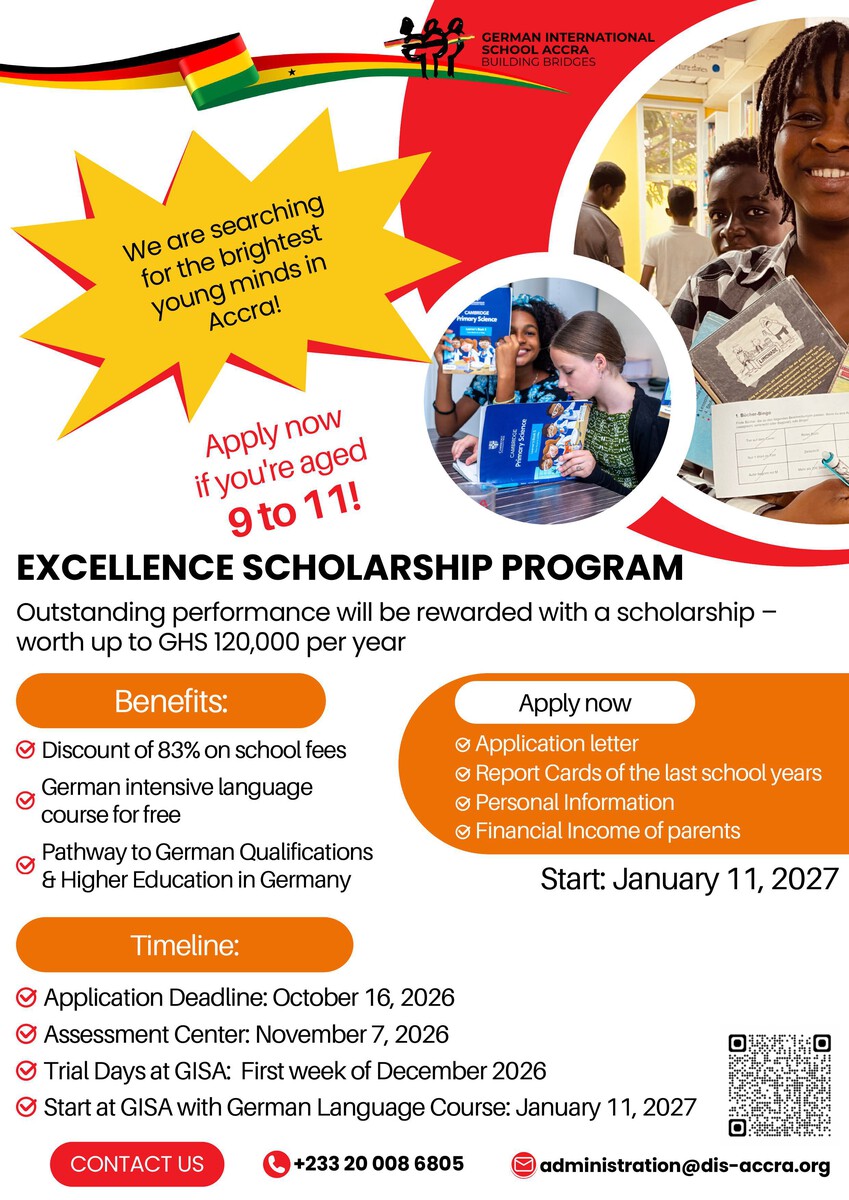
Excellence Scholarship Programme 2027
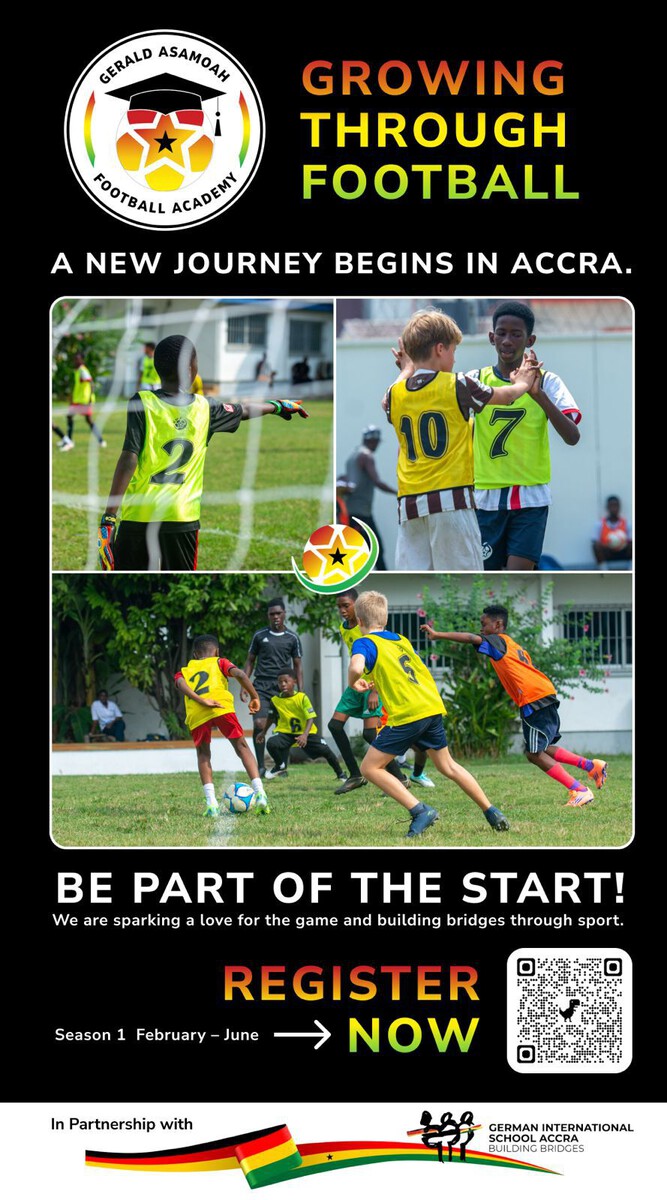
⚽Gerald Asamoah Football Academy
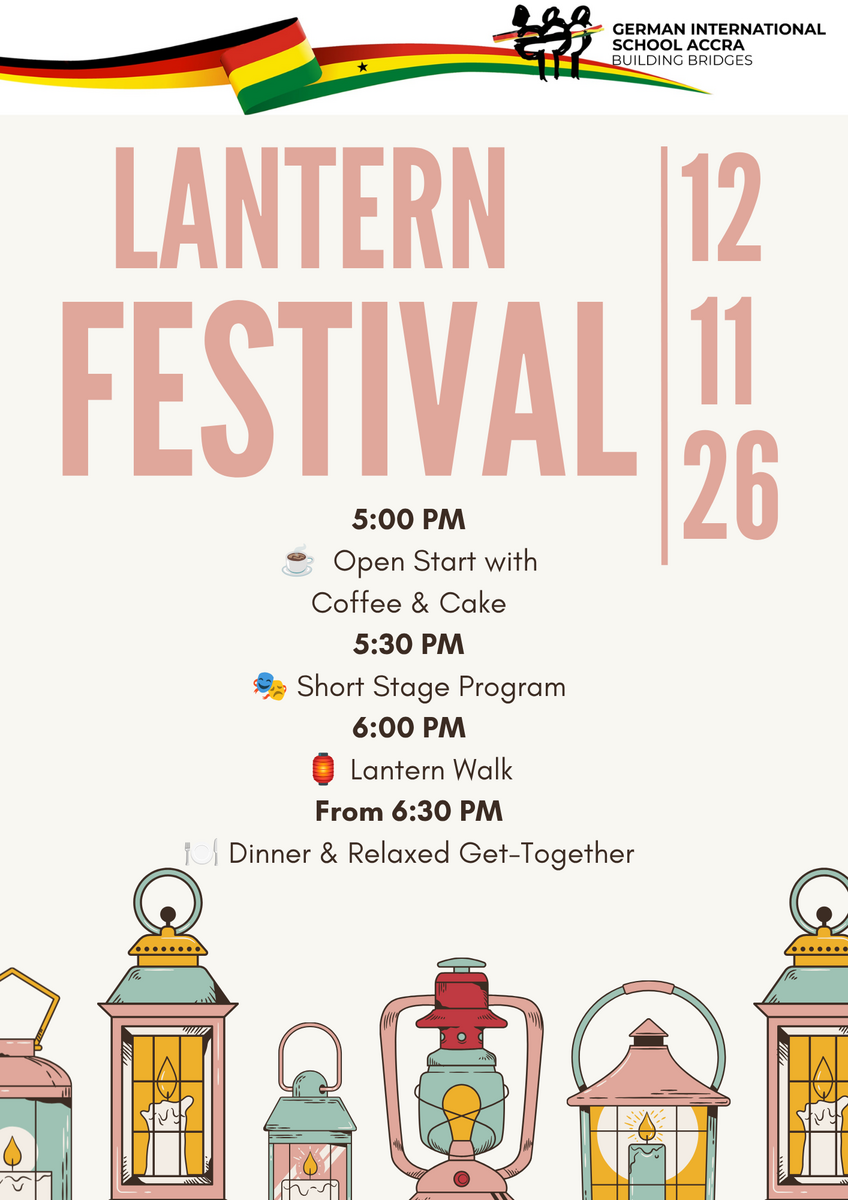
Lantern Festival
🇩🇪 German Language Day

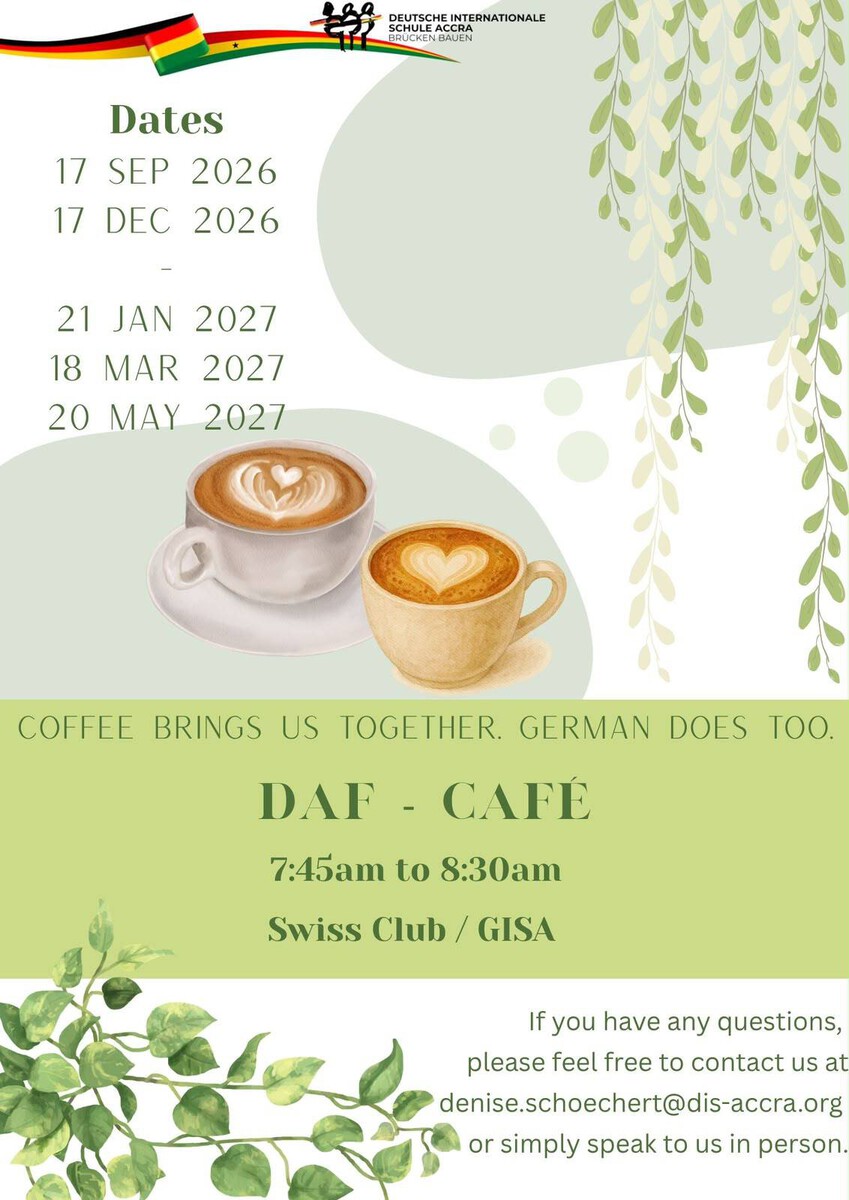
☕ DaF Café: Speaking German and Connecting Through Conversation
GISA Teen Club